



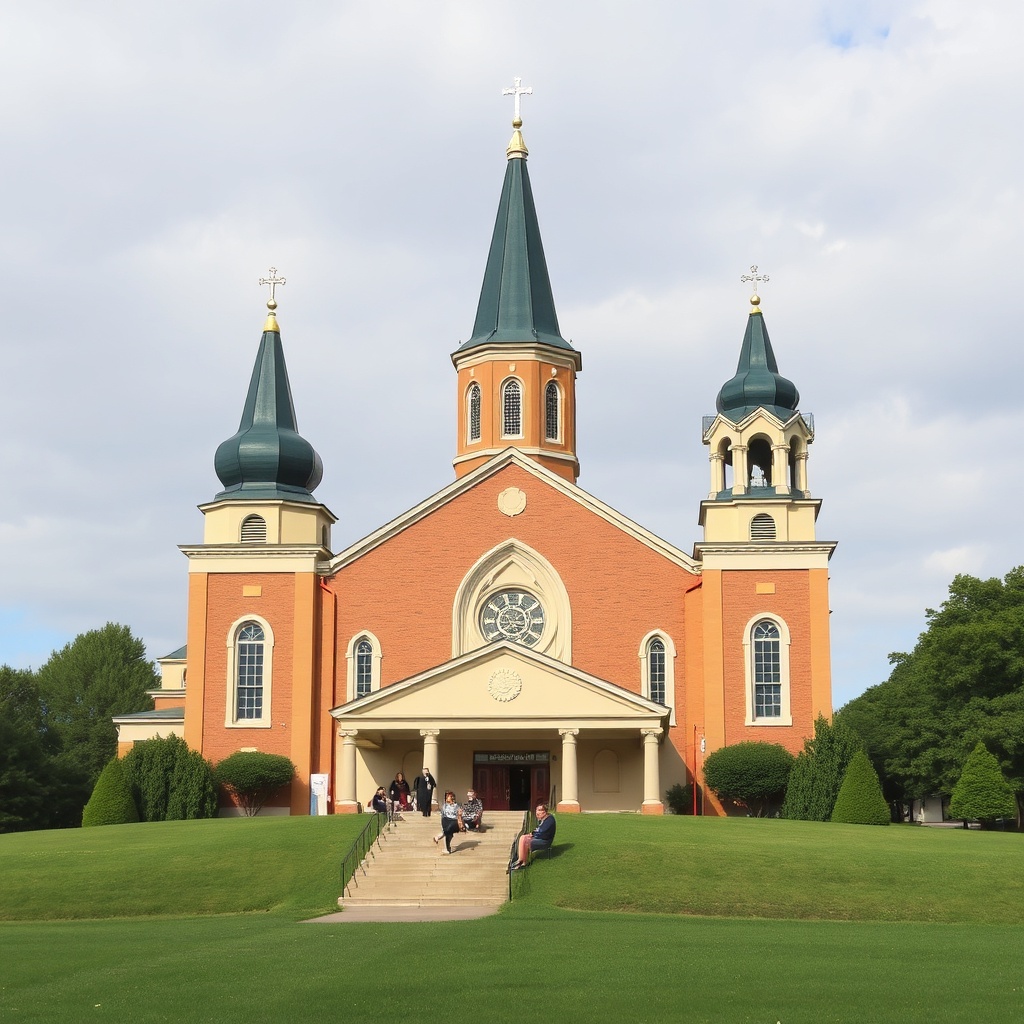
Baptists constitute an evangelical Protestant religious group with a rich and complex history, characterized by the autonomy of the local church, the importance of the Bible as the final authority, and the practice of baptism by immersion for converted adults. Their origins date back to the early 17th century in England, amidst fervent theological and social debates, and the movement has expanded globally, shaping diverse religious and cultural landscapes.
Origin and Historical Foundation
The Baptist movement emerged in England in the early 17th century as a dissent within Reformed Protestantism. Baptists, in their origins, were part of the Puritan movement that sought a deeper reform of the Church of England. Two figures are frequently cited as pioneers: John Smyth and Thomas Helwys. Smyth, influenced by continental Anabaptism, led a group of separatists who considered themselves "re-baptized" in 1609, as they believed that infant baptism had no biblical foundation and that baptism should be a conscious expression of adult faith. Helwys, with a group of followers, returned to England and founded the first Baptist church on English soil around 1612, establishing a commitment to religious freedom and the separation of Church and State.
The historical context of the Baptist emergence is marked by intense religious persecution. The Church of England, as the established church, imposed its practices and dogmas, and separatists, including Baptists, faced exile and punishment. The search for freedom of worship prompted many Baptists to emigrate to North America, where they found greater space for the development of their communities, especially in colonies like Rhode Island, founded by Roger Williams in 1636 with a strong emphasis on religious freedom. The expansion to America was crucial for the consolidation and diversification of the Baptist movement, which became a significant force in the American religious landscape.
Sociological and Theological Definition
Sociologically, Baptists can be classified as an evangelical Protestant denomination, characterized by a strong emphasis on the autonomy of the local congregation. This decentralized structure grants each church the authority to govern its own affairs, including the election of pastors and the making of doctrinal and administrative decisions. This autonomy contrasts with more hierarchical ecclesiastical models and is a fundamental sociological pillar of Baptism. Baptist identity is often shaped by a strong sense of community belonging and an active evangelistic mission.
Theologically, Baptism aligns with evangelical Protestantism, with particular emphases: the supreme authority of the Scriptures (Sola Scriptura), salvation by grace through faith in Jesus Christ (Sola Gratia, Sola Fide), and the universal priesthood of believers. Baptism by immersion of professors (adults or young people capable of expressing conscious faith) is a central and distinctive dogma, seen as a symbol of death and resurrection with Christ and a public act of commitment to the faith. The Lord's Supper is another important sacramental practice, generally viewed as a memorial of Christ's death.
Main Beliefs, Dogmas, Rites, and Practices
The core beliefs of Baptists include the Trinity (God as Father, Son, and Holy Spirit), the divinity of Jesus Christ, the virgin birth, substitutionary atonement, and the physical resurrection of Christ. They believe in the total depravity of humanity, divine election for salvation, and the perseverance of the saints. The Bible is considered the inerrant Word of God and the only rule of faith and practice.
The most distinctive rites and practices are:
- Baptism: Performed exclusively on professing believers, by complete immersion in water, as a public testimony of their faith and union with Christ. It is a prerequisite for church membership.
- Lord's Supper (Holy Communion): Celebrated periodically, it is seen as a memorial of the passion and death of Jesus Christ, offering communion with Him and other believers.
- Evangelism and Missions: A strong emphasis on the proclamation of the gospel and the sending of missionaries to reach new people and cultures.
- Autonomy of the Local Church: Each church is autonomous in its governance and doctrine, although many associate with Baptist conventions or associations for cooperation in ministries and missions.
- Preaching: Expository preaching of the Bible is central to services, viewed as the primary means of instruction and edification of faith.
Organizational Structure and Leadership
The Baptist organizational structure is predominantly congregational. Local churches are autonomous and self-governing, with the membership exercising final authority. However, many Baptist churches organize into local associations, state and national conventions (such as the Southern Baptist Convention in the USA or the Brazilian Baptist Convention) for the purposes of missionary, educational, and common interest cooperation. These conventions offer resources, training, and coordination, but generally do not hold doctrinal or disciplinary authority over member churches.
Leadership in a local Baptist church generally includes:
- Pastor: The spiritual leader and primary preacher, elected by the membership.
- Deacons: Servants of the church, often responsible for pastoral care, administration, and assistance with the Lord's Supper.
- Elders (in some traditions): Spiritual and theological leaders who may advise and guide the church.
- Committees and Boards: Groups of members who oversee specific areas of church ministry.
Leadership is viewed as service, with an emphasis on humility and biblical guidance.
WARNING/CONTROVERSIES: Factual Analysis
It is crucial to distinguish between the vast majority of traditional Baptist churches and specific groups that, under the aegis of the "Baptist" name, may exhibit problematic characteristics. The decentralized structure and autonomy of local churches, while ensuring freedom, can also, in isolated cases, allow for the proliferation of extremist doctrines or practices without effective centralized control. Most historical and recognized Baptist denominations do not fit the definition of a "destructive cult" and operate within established legal and ethical frameworks. They frequently promote civic engagement, charity, and education, and are part of the social fabric of countless communities around the world.
However, as in any large religious group, there are controversies and challenges:
- Conservative Biblical Interpretations: Some Baptist wings maintain extremely conservative biblical interpretations that lead to controversial positions on social issues such as LGBTQ+ rights, the role of women in the church and home, and abortion. These positions can generate conflicts with broader social values and other Christian currents.
- Fundamentalism and Exclusivism: Certain Baptist groups may adopt a fundamentalist stance, which includes strong doctrinal exclusivism and, in some cases, a distancing from other Christian denominations or society at large.
- Cases of Abuse and Misconduct: Tragically, as in other religious denominations, there have been documented cases of sexual, financial, and psychological abuse within some Baptist churches. The autonomy of local churches can sometimes hinder accountability and coordinated action to address such scandals. For example, investigations and reports on the mismanagement of funds and cases of harassment in some Baptist missionary organizations have emerged in various countries. Research institutions and serious news portals have documented such occurrences, requiring vigilance on the part of the faithful and society.
- "Destructive Cults": It is important to note that most Baptist churches do not exhibit characteristics of a "destructive cult," such as extreme social isolation, systematic financial exploitation, coercive mind control, or physical harm. However, the existence of isolated groups that call themselves "Baptists" but practice such conduct is a concern that requires factual analysis based on reports and criminal investigations, when applicable. If such a group is identified, its characterization as a "destructive cult" must be based on concrete evidence of its acts and not merely on its nominal affiliation with a broader movement.
The analysis of controversies must be done with factual rigor, distinguishing the practices of specific groups from the established traditions of the Baptist majority. Reports from human rights organizations, journalistic investigations, and court proceedings are crucial sources for identifying and denouncing harmful conduct when it occurs.
Social Impact, Cultural Influence, and Contemporary Relevance
Baptists have had a profound social and cultural impact, especially in the United States and other parts of the world where the movement has established itself. Historically, Baptist churches were centers of social activism, playing a role in the abolitionist movement and, later, in the Civil Rights Movement in the US, with prominent figures like Martin Luther King Jr. being a Baptist pastor. The emphasis on individual freedom and moral responsibility inspired engagement in social causes.
Culturally, gospel music, strongly associated with Baptist traditions, has become an influential and beloved genre worldwide. Education has also been an area of strong activity, with the founding of numerous Baptist schools, colleges, and seminaries that have trained generations of religious and lay leaders, in addition to contributing to the advancement of knowledge in various fields.
In contemporary times, Baptists remain a significant religious force. The diversity within the Baptist movement is notable, with more conservative and more progressive wings coexisting, although sometimes in tension. Globalization and migration have led to significant growth of Baptism in regions such as Africa and Asia. Baptist churches face contemporary challenges related to secularization, religious plurality, and the need to adapt their messages and practices to engage with the realities of the 21st century, while maintaining their theological and historical identity.
References and Research Sources
- "Baptists." Encyclopædia Britannica.
- "Baptist Churches." Religion and Ethics NewsWeekly. (For information on contemporary practices and controversies).
- Brackney, William H. A Concise Introduction to the Baptist Tradition.
- Carroll, James. The Baptist Way: A People of Mission.
- Smith, H. Shelton, William Manter, and Robert T. Handy. American Christianity: An Historical Interpretation with Readings.
- Academic articles in journals of sociology of religion and history of Christianity.
- Reports from religious group monitoring organizations and journalistic investigations into specific cases of abuse or illicit conduct.





