



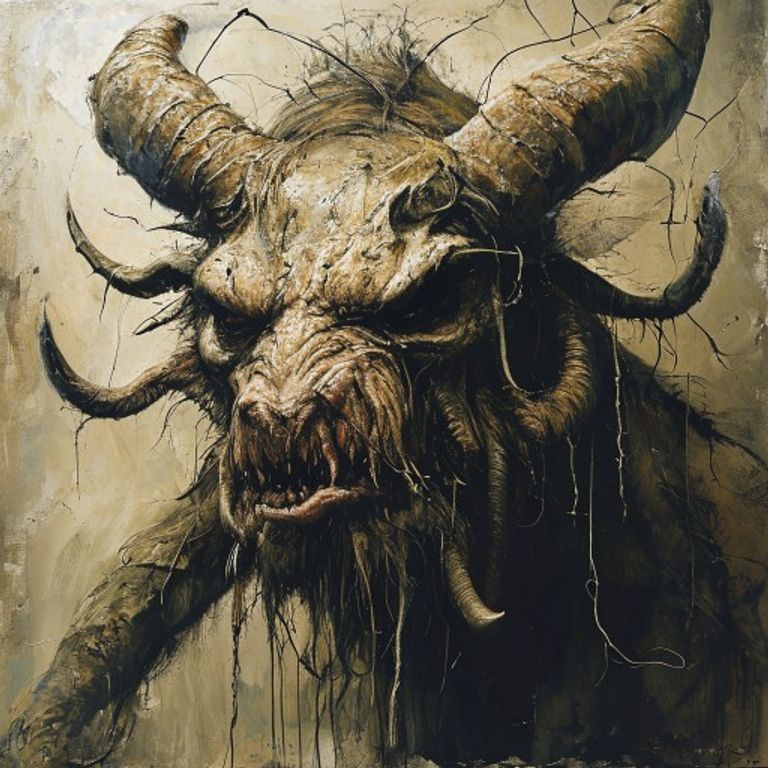
The carcass of a bizarre creature found on a New York beach in 2008, whose deformed features sparked theories about genetic experiments conducted in nearby laboratories.
⚠️ Research conducted with the aid of Deep Research is subject to referential ambiguity.
🖥️ Clean HTML code using a proprietary tool.
👥 Research by Guilherme Felipe, Curation by Sílvio Lôbo
The Montauk Monster Case: A Seaside Enigma
In July 2008, a disturbing image emerged from the turbulent waters of Montauk, Long Island, New York, reviving a mystery that would echo for years: the "Montauk Monster." What began as a peculiar find on an isolated beach quickly turned into a cultural phenomenon, fueling debates among skeptics, paranormal enthusiasts, and amateur investigators. But what did we really find on that salty sand? This article aims to unravel the layers of this enigma, separating facts from speculation and diving into the depths of one of the most intriguing cases of the 21st century.
The Context and the Incident: The Unexpected Discovery
It all began on the morning of July 20, 2008, when two friends, Jenna Hewitt and Trisha Dascal, were walking along Ditch Plains beach in Montauk. High tide and a recent storm had washed an unusual creature ashore. With a disfigured appearance and hard-to-identify features, the dead animal quickly attracted the attention of the media and the public, becoming the center of a speculative frenzy. The location, a remote area known for its natural beauty and occasional marine life sightings, added a touch of isolation and mystery to the incident.
Timeline of Events: From Beach to Pop Icon
- July 2008 (exact date uncertain, but before the 20th): A storm hits the Long Island coast, potentially affecting the Montauk region.
- July 20, 2008: Jenna Hewitt and Trisha Dascal discover the carcass of an unknown creature on Ditch Plains beach, Montauk.
- July 21, 2008: Photos of the creature are posted online and spread rapidly, generating interest and speculation. Local and national media begin covering the case.
- Week following July 20, 2008: The body is removed from the beach. Reports indicate it was taken by a group of local residents concerned about decomposition and odor, possibly for private investigation or to avoid public attention.
- August 2008 onwards: The "Montauk Monster" becomes a viral phenomenon. Various theories about its origin emerge, ranging from known animals to exotic and paranormal creatures. The case is explored on TV shows, online articles, and discussion forums.
- Subsequent years: Despite the lack of a conclusive official identification, the Montauk Monster has solidified in our popular culture as a symbol of inexplicable mystery.
Main Theories: Deciphering the Enigma
The lack of official scientific analysis and the peculiar nature of the animal left the stage open for a myriad of theories, each with its own logic, ranging from the realm of the probable to the fantastic.
Scientific and Law Enforcement Hypotheses (Most Likely):
- Decomposed Marine Mammal (Main Hypothesis): The most widely accepted theory among biologists and marine life experts is that the animal was a common marine mammal, such as a raccoon dog, a grouper, or an opossum, whose bodies were severely decomposed and modified by saltwater and the elements. Decomposition can drastically alter an animal's appearance, causing body parts to disintegrate, fur to fall out, and the overall shape to distort, making identification extremely difficult. The lack of evident fins and the presence of paws and claws in some images reinforce this hypothesis.
- Dead Domestic or Exotic Animal: A variation of the above hypothesis suggests that the animal could have been a pet that escaped or was released into the wild, such as a dog or another land mammal. Advanced decomposition in saltwater could explain the bizarre appearance.
Alternative, Conspiracy, or Paranormal Theories:
- Secret Genetic Experiment: One of the most popular theories, fueled by the history of the Montauk area, which was home to military and research facilities, suggests that the animal could be the result of a secret genetic experiment carried out by a government or private agency. This theory evokes the imagery of "Montauk experiments."
- Unknown Marine Creature: For the more adventurous, the monster could be a species of marine animal hitherto unknown to science, a remnant of past eras, or a mutation.
- Mummy of a Land Animal: Some speculate that the body may have been mummified by the brine and beach conditions, preserving characteristics of land animals in a distorted way.
- Hoax or Deception: A skeptical hypothesis suggests that the body may have been manipulated or even created on purpose to generate interest and attention, although there is no concrete evidence to support this.
Controversies and Blind Spots: What Remained in the Shadows?
The Montauk Monster case is marked by gaps and inconsistencies that fuel the mystery. The main one is the lack of an official autopsy and conclusive forensic analysis.
- Disappearance of the Body: The way the body was removed from the beach, without the immediate intervention of competent authorities for an examination, is a crucial point. Reports suggest that a group of local residents, concerned about decomposition and odor, removed the animal. The exact location where the body was taken and what happened to it subsequently remain obscure.
- Restricted Information: Local and environmental authorities did not conduct an in-depth investigation, opting not to release detailed information about the possible identification of the creature. This, understandably, generated distrust and fueled conspiracy theories.
- Fragmented Images: Although several photos and a short video circulated, the quality and angle of the images make categorical identification difficult. The creature appears in an advanced state of decomposition, which distorts its natural features.
Curiosities and Legacy: The Monster that Lives in Culture
The Montauk Monster transcended the isolated incident on a beach. It became an icon of modern pop culture, a symbol of mysteries that defy easy explanations.
- Viral Phenomenon: The rapid spread of images online turned the case into one of the first major "internet mysteries," demonstrating the power of social media to amplify events.
- Cultural Inspiration: The monster inspired stories, documentaries, and debates about cryptozoology and the unknown. Its image, although ambiguous, became recognizable in niches of interest regarding the paranormal.
- Current Status: The Montauk Monster case has not been officially reopened, remaining, in practice, shelved by the authorities. The lack of a formal investigation left the mystery without a definitive solution, allowing speculation and fascination to persist. What really rested on that Montauk beach in 2008 remains a seaside enigma, a reminder of the vastness of the unknown that still surrounds us.





