



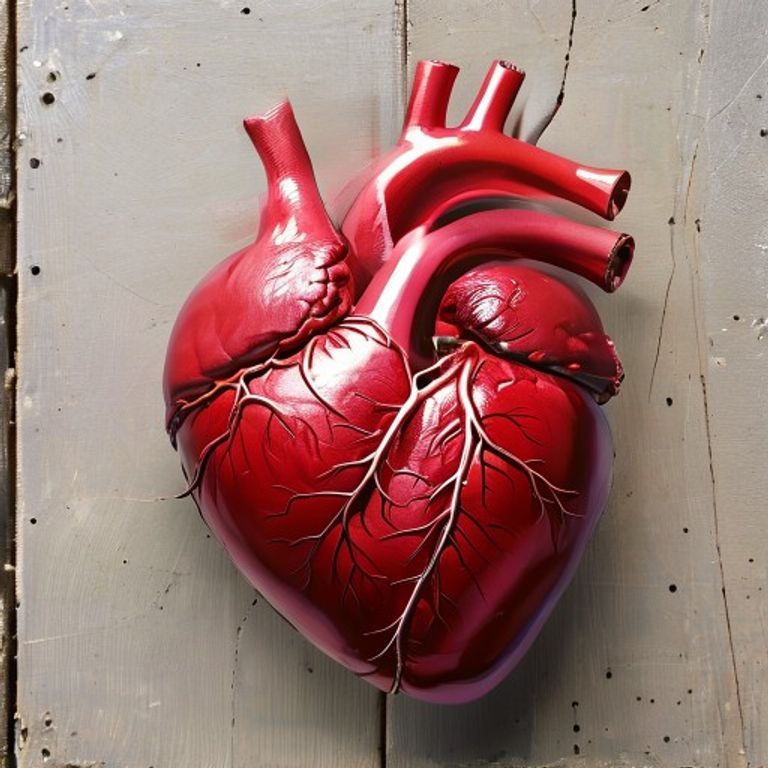
The pioneering surgery performed by South African physician Christiaan Barnard in 1967, which paved the way for advancements in organ transplant medicine.
⚠️ Research conducted with the aid of Deep Research is subject to referential ambiguity.
🖥️ Clean HTML code using a proprietary tool.
👥 Research by Guilherme Felipe, Curation by Sílvio Lôbo
The Heart in Transplant: A Mystery That Beats in Silence
The silence of the official report is, at times, more deafening than any cry of despair. In 1967, the world watched in awe as the first human heart transplant took place, a medical feat that promised a new dawn for medicine. However, behind the scientific heroism and renewed hope lies a veil of controversy and a mystery that, decades later, still pulses between the lines of history. This article delves into the "Case of the First Heart Transplant," uncovering facts, speculations, and the shadows that loom over one of the most revolutionary and enigmatic milestones of modern medicine.
The Context and the Incident: A Leap into the Dark
Dawn of December 3, 1967, in the city of Cape Town, South Africa. At Groote Schuur Hospital, under the leadership of surgeon Christiaan Barnard, an unprecedented feat was about to be performed. The patient, Louis Washkansky, was suffering from terminal heart failure. The donor, Denise Darvall, a 25-year-old woman, had suffered fatal injuries in a car accident. What should have been a story of redemption and scientific progress quickly turned into a stage for scrutiny, speculation, and doubt.
Timeline of Events: Seconds That Changed History
- December 2, 1967, night: Denise Darvall is declared clinically dead after a serious car accident. Her organs are considered for transplant.
- December 3, 1967, early morning: Denise Darvall's heart is removed and transported to Groote Schuur Hospital.
- December 3, 1967, 06:00 AM: The heart transplant surgery begins on Louis Washkansky.
- December 3, 1967, 08:20 AM: Denise Darvall's new heart is implanted in Washkansky. The surgery is considered an initial technical success.
- December 18, 1967: Louis Washkansky passes away, 18 days after the transplant, due to bilateral pneumonia, complications arising from immunosuppressive medication that left him vulnerable to infections.
- 1967-Present: The case becomes a medical milestone, but the debate over ethical details, the donor's state, and the long-term viability of the procedure generates persistent questions.
The Main Theories: Unveiling the Shadows
The mystery surrounding the first heart transplant does not lie in the surgical technique itself, but in the circumstances that preceded it and the ethical issues that emerged. Several theories attempt to shed light on the darker aspects of the case:
Scientific and Ethical Theories (Most likely hypotheses):
- The Threshold of Brain Death: The main ethical controversy lies in the exact definition of death. At the time, brain death was not yet a fully consolidated and standardized concept as it is today. It is speculated whether Denise Darvall, despite being clinically dead for circulatory purposes, could have shown any residual brain activity. The speed of the organ removal suggests an urgent need to preserve viability, raising the question of whether the protocols for determining death were strictly followed, considering the state of the art at the time. Darvall's autopsy, which is a crucial document, may contain clues about the irreversibility of her state.
- The Pressure for Pioneering: In a scientific race to achieve the impossible, there was immense pressure on Barnard's team. The eagerness to be the first may have led to hasty decisions regarding organ collection, neglecting ethical nuances or the need for a more rigorous observation period to determine the donor's definitive death. Behind-the-scenes reports from the medical team and Darvall's family may contain valuable testimonies about this pressure.
- Communication and Consent: Details about the process of obtaining consent for Denise Darvall's organ donation after her death are scarce. Her father, Edward Darvall, gave authorization, but how informed he was about the experimental nature of the procedure and his daughter's exact clinical condition remains a subject of debate.
Alternative and Conspiracy Theories:
- "Finding the Perfect Heart": A less substantiated but persistent theory suggests that the search for the "ideal" heart for Washkansky's transplant may have led to a more selective and possibly controversial choice of donor. Rumors about other potential donors or the urgency to find a specific compatible organ circulate, although without concrete evidence.
- External Interference: In more conspiratorial scenarios, there is speculation about influences from emerging pharmaceutical companies or entities that could benefit from the advancement of transplant technology, forcing or accelerating the procedure. These reports lack any support in official documents or reliable testimonies.
Paranormal Theories:
- Echoes of Consciousness: Although scientifically unfounded, in ufology and paranormal circles, speculations have arisen about the "consciousness" of the transplanted heart. The idea that an organ can carry memories or feelings of the donor is a recurring theme in fiction, but without any scientific basis for the real case.
Controversies and Blind Spots: The Scars of the Investigation
Despite the undeniable success of the procedure, several gaps and inconsistencies punctuate the investigation and the official narrative of the case:
- The Determination of Death: As mentioned, the absence of clear and standardized protocols for determining brain death at the time is a crucial blind spot. Detailed medical reports on Denise Darvall's neurological state before the heart removal are scarce, and their interpretation, in light of current knowledge, is complex.
- The Father's Testimony: Edward Darvall's testimony, crucial for authorizing the donation, was given under immense emotional pressure. The depth of his understanding of the risks and the experimental nature of the transplant is a question mark. Declassified files of conversations with the medical team could clarify this aspect.
- The State of the Donor Heart: Although the transport and preservation of organs have evolved drastically, the viability of Denise Darvall's heart after the accident and transport for surgery is a variable that, even if technically successful, raises questions about the exact time of ischemia and its potential long-term consequences.
- Ignored Clues?: There is an outcry, mainly among conspiracy theorists, that other clues could have been deliberately ignored. However, the lack of access to complete autopsy reports and the confidentiality surrounding some testimonies from medical team members keep this speculation open, without concrete proof.
Curiosities and Legacy: A Heart That Still Beats in History
The first heart transplant, despite its short duration for the patient, left an undeniable legacy:
- Medical Revolution: The case opened the doors to a new era in medicine, inspiring countless advances in cardiac surgery, immunology, and the treatment of heart disease. Hundreds of thousands of lives have been saved since then thanks to this scientific boldness.
- Cultural Impact: The image of Christiaan Barnard, the "miracle doctor," and the dramatic story of the transplant captured the world's imagination. It became a symbol of hope, but also a case study on the limits of medicine and the ethical complexities of human intervention in the cycle of life and death.
- Current Status: The case has not been officially reopened as a criminal inquiry, given its medical nature and the era in which it occurred. However, it continues to be a subject of academic study and ethical debate. Medical and personal files related to the case continue to be consulted by researchers, seeking to fully unravel the contours of this historical event. The mystery, while it does not resolve the loss of Louis Washkansky, lies in the human need to understand all angles of a story that forever changed the course of medicine and our perception of the fragility and resilience of life.





