



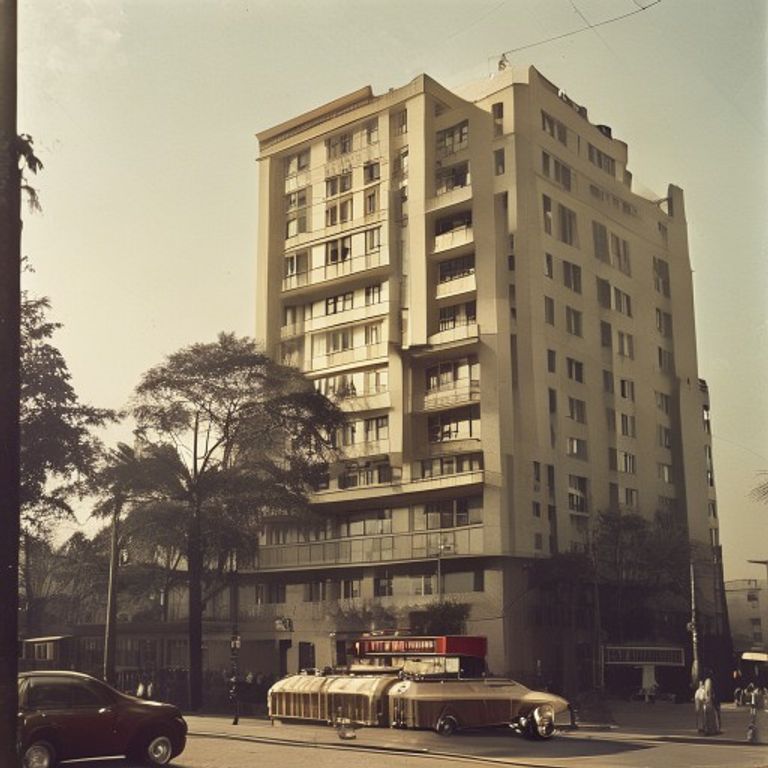
Released in 1932 and directed by Edmund Goulding, Grand Hotel is the epitome of classic Hollywood cinema, being the first film to bring together an A-list cast under the "all-star cast" model. Set in a luxurious hotel in Berlin, the drama explores the interconnected lives of its guests, cementing the narrative trope of the "hotel as a microcosm of society" and securing its place in history as the only film to win the Oscar for Best Picture without receiving any other nominations.
Analysis and Plot: The Anatomy of Loneliness
Grand Hotel is not just a film; it is an experience of architectural voyeurism. The premise revolves around a series of characters whose trajectories collide at the prestigious Grand Hotel in Berlin during a period of economic despair and social decadence in the pre-Nazi era. The film introduces us to Grusinskaya (Greta Garbo), a fading Russian ballerina plagued by loneliness; Baron von Geigern (John Barrymore), a bankrupt aristocrat turned jewel thief; Otto Kringelein (Lionel Barrymore), a dying accountant who decides to spend his savings living luxuriously; and Flaemmchen (Joan Crawford), an ambitious stenographer trying to climb the social ladder.
William A. Drake's screenplay, based on the novel by Vicki Baum, weaves these lives together through chance encounters. The Baron attempts to steal the ballerina's pearls but ends up falling in love with her. Kringelein, upon discovering his terminal illness, finds an unexpected friendship with the Baron and a flirtation with Flaemmchen. The narrative is built on the contrast between external glamour and the existential emptiness of its occupants.
The Ending: The Dance of Existence
The film's ending is one of the most iconic moments of the golden age. The Baron, having changed his morals upon meeting Kringelein's humanity, is killed by Preysing (Wallace Beery) while attempting one last theft to help the accountant and the ballerina. The tragic irony is that Grusinskaya leaves the hotel believing the Baron abandoned her, unaware that he died for her. Kringelein, now renewed by a new perspective on life, leaves accompanied by Flaemmchen. The famous final line, "Grand Hotel. People come, people go. Nothing ever happens," underscores the cynicism of the hotel as an indifferent organism that feeds on the lives of its guests but remains immutable.
Cast and Performances
The cast is the beating heart of the film. Greta Garbo delivered perhaps the most memorable performance of her career. Her delivery of the line "I want to be alone" became the trademark of her persona. Joan Crawford, in turn, proved she could act in complex dramatic roles, distancing herself from her 1920s 'flapper' image. The dynamic between the Barrymore brothers, John and Lionel, adds a layer of realism and human warmth amidst the cold atmosphere of the hotel.
Trivia, Behind the Scenes, and Controversies
The production was one of MGM's biggest risks. Producer Irving Thalberg brought together the studio's biggest stars, fearing the film would fail due to excessive egos. There was palpable tension on set: Garbo and Crawford, the two divas, never shared a scene together, fueling rumors of a rivalry that would last for decades. Furthermore, the film is famous for being the only one in Oscar history to win the Best Picture statuette without being nominated in any other category, a fact that would be impossible today given the structure of the awards.
Reception and Legacy
Upon release, reviews were mixed, but the audience was unanimous in its adoration. The film is credited with creating the "ensemble drama" genre, which influenced productions like Airport (1970) and countless modern dramas. The "Grand Hotel style" became synonymous with plots where disparate characters are united by a common setting, shaping Hollywood's narrative structure for decades.
Researched Sources
- tcm.com/tcmdb/title/7618/grand-hotel (Turner Classic Movies - Production Archives)
- oscars.org/oscars/ceremonies/1933 (Academy Historical Database)
- britannica.com/topic/Grand-Hotel-film-1932 (Cultural and literary analysis of the work)
- afi.com/catalog/movies/57077/ (American Film Institute Catalog)





