



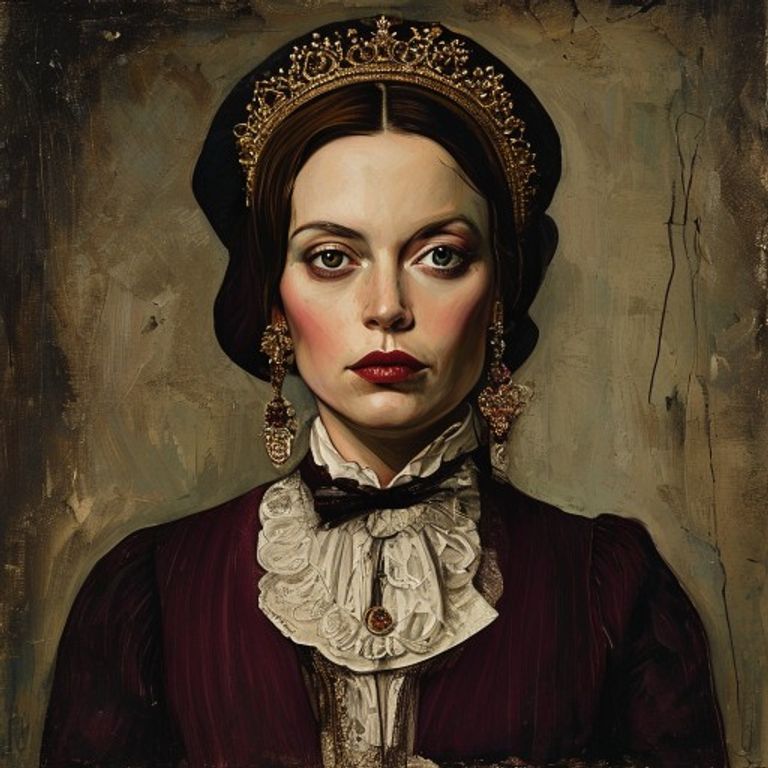
A young woman found dead and mutilated in a vacant lot in Los Angeles in 1947, a crime that generated hundreds of false confessions and was never solved by the police.
⚠️ Research conducted with the aid of Deep Research is subject to referential ambiguity.
🖥️ Clean HTML code using a proprietary tool.
👥 Research by Guilherme Felipe, Curation by Sílvio Lôbo
The Black Dahlia Enigma: The Unsolved Case of Elizabeth Short
In the dark chronicles of unsolved mysteries, few cases capture the imagination and perplexity like the brutal and unsolved murder of Elizabeth Short, the "Black Dahlia." The crime, which shocked post-war America, continues to haunt the minds of investigators and the curious alike, a testament to the failure of justice and the persistence of evil. We will delve into the depths of this enigma, separating fact from speculation, in an attempt to shed light on the shadows surrounding this tragic event.
The Context and the Incident: Where, When, and How the Mystery Began
The year was 1947. Los Angeles, a city pulsing with post-war optimism, but also a melting pot of opportunities and dangers. It was in this setting that Elizabeth Short, a 22-year-old aspiring actress, disappeared. Born in Massachusetts, Short was known for her beauty and her dream of shining in Hollywood. However, her life, marked by instability and an apparent search for fame, led her down uncertain paths.
Short's disappearance was initially treated with some reluctance by the authorities, partly due to rumors about her lifestyle. However, the gravity of the situation became undeniable when, on the morning of January 17, 1947, her horribly mutilated body was discovered in a vacant lot in Leimert Park, Los Angeles. The body, cut in two at the waist, was grotesquely scarred, with signs of mutilation that suggested disturbing anatomical knowledge on the part of the killer. The discovery by pedestrian Gordon Lawrence sent shockwaves throughout the country, launching one of the most extensive and frustrating murder investigations in American history.
Timeline of Events
A chronological reconstruction of events is crucial to understanding the complexity of this case.
- December 1946: Elizabeth Short arrives in Los Angeles, seeking opportunities in the film industry. There are reports that she stayed in various locations, including a hotel in Hollywood.
- January 9, 1947: The last time Elizabeth Short was seen alive in public, according to witnesses. She was reportedly seen leaving the Biltmore Hotel in downtown Los Angeles.
- January 10, 1947: Elizabeth's mother, Phoebe Short, contacts the Long Beach police after being unable to speak with her daughter for several days.
- January 17, 1947 (Morning): The body of Elizabeth Short is discovered, dismembered and mutilated, in a vacant lot in Leimert Park. The media quickly nicknames her the "Black Dahlia," in reference to a popular film of the time and her preference for black clothing.
- January 23, 1947: The police receive an anonymous letter from someone claiming to be the killer, asserting responsibility for the crime. The "killer's" communication would become a recurring and disturbing feature of the case.
- February 1947: Multiple letters and personal items belonging to Elizabeth Short, including her birth certificate and driver's license, are sent to the police by someone claiming to be the killer, in an apparent macabre game.
- Following years: Hundreds of suspects were interrogated, but none were indicted. The investigation spanned years, covering multiple jurisdictions and involving thousands of police officers.
The Main Theories
The absence of a culprit led to a profusion of theories, some based on evidence, others on pure speculation.
Police and Scientific Theories (Based on Evidence and Forensic Analysis)
- The Unknown Serial Killer: This is the hypothesis most supported by official investigations. The sophistication of the mutilation and the way the body was disposed of suggest an individual with a disturbing psychological profile and, possibly, technical knowledge. Several suspects were investigated along this line, but without conclusive proof.
- A Personal Avenger: Given Elizabeth Short's social life, some investigators considered the possibility of a tumultuous relationship, a jealous ex-boyfriend, or someone with a deep-seated resentment. The brutal nature of the crime could be interpreted as an act of passion or extreme vengeance.
- Involvement with Organized Crime: Reports at the time suggested that Short might have had involvement with underworld figures or even organized crime. This theory, although lacking concrete proof, raises the possibility of a silencing murder or a warning.
Alternative, Conspiracy, and Paranormal Theories
- The "Possible Suspect" Theory: Over the decades, individuals or groups have presented theories linking the murder to prominent figures or even unsolved serial crimes. One example is the speculative association with the notorious Zodiac Killer, although the dates and methods do not fit perfectly.
- Political/Government Conspiracy Theory: Like many unsolved cases, theories emerged that the government or intelligence agencies were involved, perhaps to cover up a scandal or protect important figures. These theories generally lack any solid evidence.
- Paranormal or Supernatural Theories: Although highly speculative and without any scientific foundation, the mystery of the case has attracted theories involving paranormal events or supernatural influences, fueled by the bizarre and inexplicable nature of the crime.
Controversies and Blind Spots
The investigation into the Black Dahlia case was marked by failures, contradictions, and a series of blind spots that contributed to its perpetuation as a mystery.
- Lost or Mismanaged Evidence: Reports indicate that some crucial evidence may have been lost or handled improperly, hindering the investigation. The way the body was initially treated and photographed is also questioned.
- Media Pressure and Lack of Discretion: The intense media coverage of the case, while driving the search for justice, may have also harmed the investigation. The release of sensitive details and rampant speculation created a chaotic environment.
- Jurisdictional Conflicts: The investigation spanned several jurisdictions, which led to conflicts and a lack of coordination between different police agencies, such as the Los Angeles Police Department and the Los Angeles County Sheriff's Department.
- False Confessions and Red Herrings: The sensationalist nature of the case attracted numerous false confessions and red herrings, which diverted investigative resources and confused detectives.
- Conflicting Testimonies: Various witness statements presented inconsistencies, making it difficult to form a clear picture of Elizabeth Short's final days.
Curiosities and Legacy
The Black Dahlia case transcended the criminal realm, becoming an icon of popular culture and an enduring symbol of an unsolved mystery.
- The "Black Dahlia" Nickname: The nickname given by the media became synonymous with the case, evoking an image of tragedy and mystery.
- Cultural Inspiration: The case has inspired countless books, films, documentaries, and works of fiction, exploring the various facets of the crime and the theories surrounding it.
- Notorious Suspects: Over the years, several individuals have been speculated as possible killers, including the doctor Walter George M., the plastic surgeon Dr. George Hodel, and even the actor George Reeves. However, no concrete evidence has ever incriminated them.
- Legacy of Frustration: The Black Dahlia case represents a milestone in the history of criminology, highlighting the challenges and limitations of police investigation when faced with a crime of such brutality and an elusive perpetrator.
- Current Status: The case remains officially unsolved. Although most active lines of investigation were closed decades ago, the mystery of the Black Dahlia continues to be a subject of interest, and new theories emerge periodically. Declassified files and new analyses of historical evidence keep alive the hope that, one day, the truth about the murder of Elizabeth Short may finally be revealed.





