



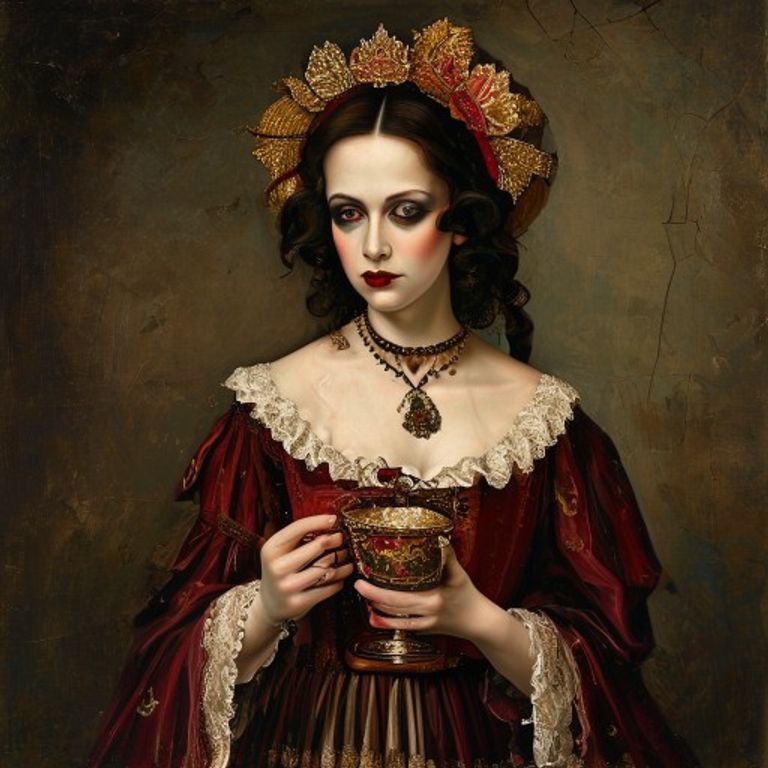
A young aspiring actress was found dead and mutilated in a vacant lot in Los Angeles in 1947, in one of the most brutal and famous crimes in American history.
⚠️ Research conducted with the aid of Deep Research is subject to referential ambiguity.
🖥️ Clean HTML code using a proprietary tool.
👥 Research by Guilherme Felipe, Curation by Sílvio Lôbo
The Black Dahlia: A Scar on the Soul of Los Angeles
The murder case of Elizabeth Short, the "Black Dahlia," has transcended newspaper pages to become one of the darkest and most persistent mysteries in American criminal history. A story of ephemeral beauty, frustrated ambition, and indescribable brutality that, more than seven decades later, still haunts the halls of the Los Angeles Police Department (LAPD) and the imagination of generations.
The Context and the Incident: Where, When, and How the Mystery Began
The body of Elizabeth Short was discovered on January 15, 1947, in a vacant lot in Leimert Park, Los Angeles. The scene was macabre and shocking for the time, and even by today's standards. The body, severed at the waist with surgical precision, featured deep cuts on the cheeks, forming what appeared to be a grotesque smile, and the removal of internal organs. The discovery was made by Betty Bersinger, a housewife who was walking with her child. The cruelty and theatricality of the crime suggested a killer with an unusual level of coldness and knowledge.
Elizabeth Short, a 22-year-old aspiring actress, was seeking fame in Hollywood, a dream shared by many in post-war Los Angeles. Born in Massachusetts, she moved to California in pursuit of a film career. Her life, although seemingly ordinary for a young woman in the entertainment industry, would be shrouded in speculation after her death, with reports about her lifestyle, her relationships, and her whereabouts in the days leading up to her brutal execution.
Timeline of Events
- January 1947: Elizabeth Short is last seen alive in Los Angeles.
- January 15, 1947: The brutally mutilated body of Elizabeth Short is discovered in Leimert Park by Betty Bersinger.
- January 16, 1947: The LAPD begins the investigation, which quickly gains national attention.
- January to March 1947: The case attracts hundreds of "confessions" and false leads. The media speculates intensely about the killer's identity and motives.
- Subsequent years: The case becomes an icon of Los Angeles folklore, inspiring books, films, and documentaries.
- 2003: The LAPD officially declares the case closed as unsolved.
- Recent years: The case continues to be re-examined by amateur detectives and some retired police officers, but without new conclusive evidence.
Main Theories
The lack of a definitive resolution opened the doors to a myriad of theories, each with its own degree of plausibility and popular appeal:
Police and Scientific Theories (most likely)
- The Serial Killer: The brutality and precision of the crime suggest an individual with experience, possibly a doctor, butcher, or someone with anatomical knowledge. The absence of signs of a struggle and the way the body was dismembered indicate a murder planned and executed in a location other than where it was discovered.
- The Jealous Boyfriend/Acquaintance: Several men in Elizabeth Short's life were investigated, including her boyfriend Robert "Red" Manley, who was arrested for having been seen with her shortly before her disappearance. However, he was released after passing a lie detector test. The theory suggests a crime of passion, perhaps in a fit of rage, that was meticulously covered up.
- Connection to Other Crimes: Some investigators attempted to link Short's death to other unsolved crimes of the era, suggesting a serial killer operating in the region. However, concrete evidence for this link is scarce.
Alternative Theories (speculative and conspiracy-based)
- The Photographer Theory: One of the most prominent suspects was George Hodel, a prominent physician and amateur photographer. Reports from his son, Steve Hodel, and subsequent investigations suggested that Hodel could have been the Black Dahlia killer. The theory is based on photographs of Hodel that some interpret as containing suggestive images or even images of the crime, and his alleged connection to other violent deaths of women. The LAPD eventually considered Hodel a suspect but never gathered enough evidence to charge him.
- Mafia Connections or Police Corruption: Given Los Angeles' notoriety for organized crime and corruption at the time, some theories point to the involvement of the mafia or corrupt police officers, with the crime serving as a cover-up for illegal activities or as a message.
- The Hollywood Vampire: Another name frequently associated with the case is that of Dr. Walter Bayley, a surgeon who was also investigated. The surgical nature of the crime led to speculation about sadistic or necrophilic motivations.
Paranormal Theories
- Although less academically accepted, the Black Dahlia mystery has attracted paranormal speculation, with some suggesting the involvement of obscure cults or negative energies associated with Los Angeles. These theories lack any empirical basis.
Controversies and Blind Spots
The Black Dahlia investigation is notorious for its flaws and inconsistencies:
- Management of False Leads: The case was flooded with fake letters and confessions, many of them sent by the media. The LAPD spent significant time and resources investigating baseless leads, which may have diverted attention from real evidence.
- Lost or Mismanaged Evidence: There are reports that some crucial evidence may have been lost, damaged, or poorly documented due to confusion and the lack of evidence-handling protocols as rigorous as those used today.
- Hasty Dismissals: Some key witnesses and suspects were investigated superficially or quickly dismissed. Public and media pressure for a quick resolution may have led to premature conclusions.
- Contradictory Official Reports: Different reports and statements from police officers involved in the investigation presented inconsistencies, especially regarding who the main suspect was at different stages of the process.
- Lack of Direct Witnesses to the Crime: The crime scene, a vacant lot, offered few opportunities for eyewitnesses to the murder itself. Most testimonies focused on Elizabeth Short's final days and the movements of suspects.
Trivia and Legacy
The Black Dahlia case left an indelible mark on popular culture:
- The Nickname: The infamous nickname "Black Dahlia" was not given by the police, but by a reporter for the Los Angeles Herald-Examiner. It is believed the name was inspired by a popular mystery film of the time, "The Blue Dahlia," and the color of the dress Elizabeth Short was supposedly wearing.
- A Hollywood Icon: Elizabeth Short's tragedy transformed her into a tragic icon of the dark side of the American dream and the Hollywood industry.
- Inspiration for Artistic Works: The case has inspired countless books, films (including the 2006 "The Black Dahlia"), documentaries, and articles, perpetuating the mystery and the search for answers.
- The Open File: Although the case was officially closed without a solution in 2003, some researchers and former police officers continue to re-examine the evidence. The possibility of new forensic technologies, such as DNA analysis, shedding new light on the case remains, although the original evidence may be degraded.
- The Search for Victims: The legacy of the case is also marked by the constant concern to identify other victims who may have been forgotten or whose crimes may be linked to the Black Dahlia, given the seemingly planned nature of the murder.
The Black Dahlia case remains an enigma, a dark reminder of the fragility of life and the persistence of evil. The truth about what happened to Elizabeth Short may be forever buried in the sands of time, but the search for answers continues, fueled by an insatiable curiosity and a deep desire for justice.





