



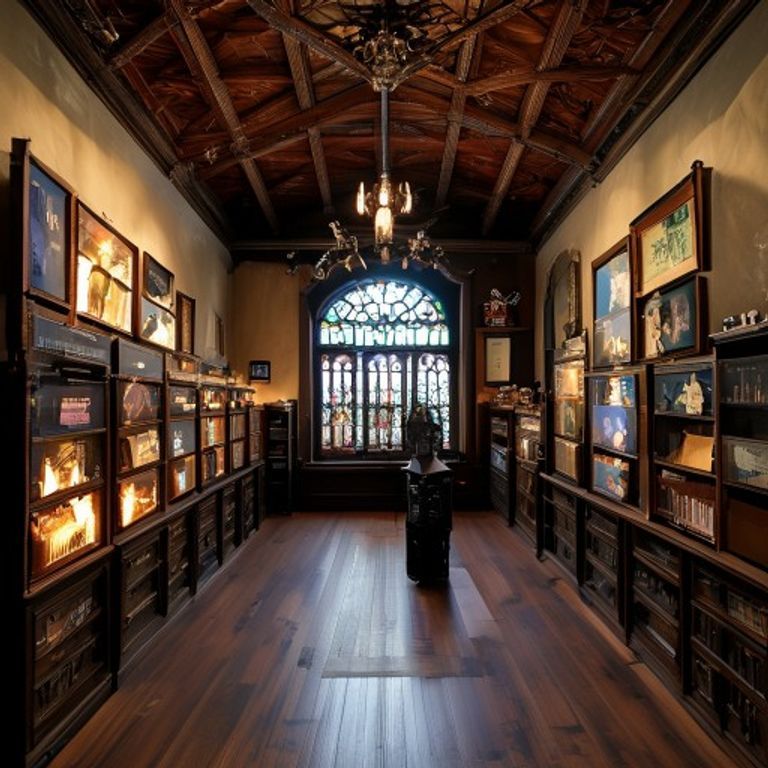
The partial destruction of the museum in São Paulo in 2015, highlighting the vulnerability of cultural heritage in historic buildings.
⚠️ Research conducted with the aid of Deep Research is subject to referential ambiguity.
🖥️ Clean HTML code using a proprietary tool.
👥 Research by Guilherme Felipe, Curation by Sílvio Lôbo
The Mystery of the Flames: Revisiting the Fire at the Museum of the Portuguese Language
A Fire that Consumed History and Left Trails of Unknowns
1. The Context and the Incident: Where, When, and How the Mystery Began
On the afternoon of December 21, 2015, a sinister event shook the city of São Paulo and the cultural world. A large-scale fire broke out at the Museum of the Portuguese Language, located in the historic Luz Station. The news spread quickly, generating apprehension not only due to the material and cultural loss but also because of the mystery that soon settled over the causes of the fire.
The museum, inaugurated in 2006, was a vibrant space dedicated to the celebration and exploration of the richness of the language spoken by millions. Luz Station itself is an architectural landmark and a nerve center of the city, a place that carries the marks of time and countless stories. The fire, which started in a room housing sound and lighting equipment, spread rapidly, consuming in a few hours an invaluable collection of interactive exhibits, panels, and objects that narrated the evolution and nuances of Portuguese.
The fire, which began around 3:45 PM, was fought by dozens of firefighters, but the intensity of the flames and the building's structure hindered their efforts. Although there were no fatalities directly linked to the fire (only one firefighter suffered minor injuries), the destruction was vast and the sense of loss immense. What followed was a meticulous investigation, but one that, to this day, leaves gaps and fuels speculation.
2. Timeline of Events
- December 21, 2015, around 3:45 PM: The fire starts in an equipment room on the first floor of the Museum of the Portuguese Language.
- Immediately after the start: Employees and visitors are evacuated from the building.
- From 4:00 PM onwards: The Fire Department is called and begins firefighting efforts.
- Following hours: The fire spreads rapidly, consuming a large part of the museum's collection and structure.
- Late afternoon/Night: The flames are controlled, but the destruction is evident. The area is cordoned off for forensics.
- Following days and weeks: Start of the official investigation to determine the causes of the fire. Several experts and police officers work at the site.
- Preliminary Police Report: Points to a short circuit as the probable cause.
- Final Forensic Report: Confirms the hypothesis of a short circuit in deteriorated electrical wiring as the most likely cause of the fire.
- 2016-2017: Period of reconstruction and restoration of the Museum of the Portuguese Language.
- May 2017: The Museum of the Portuguese Language is reopened.
3. Main Theories
The official investigation focused on the search for a concrete and rational cause for the fire. However, the drama of the event and the peculiarities of some details opened space for other lines of thought, from technical hypotheses to more fanciful theories.
Scientific and Police Theories (Official and Probable)
- Short Circuit in Deteriorated Electrical Wiring: This was the main hypothesis and the official conclusion of the forensics. According to the report, the museum's electrical wiring, which showed signs of wear and overload, short-circuited, generating enough heat to ignite nearby flammable materials, such as paper, wood, and fabrics present in the collection. The initial location of the fire's origin (equipment room) reinforced this theory.
- Electrical Equipment Failure: Similar to the previous one, but focused on a specific piece of equipment, such as a projector, a computer, or a sound system that could have had an internal defect and overheated.
- Vandalism or Arson (Discarded by official investigations): Although this is a line to always be considered in cases of fires in public places, the investigation found no evidence to support this thesis. The absence of forced entry, planning, or clear motives for such an action led to its dismissal.
Alternative, Conspiracy, or Paranormal Theories (Speculation)
- Ignored Structural or Maintenance Failure: Some critics point to the possibility that the maintenance of the museum and the old railway station could have been neglected in crucial points, and that the short circuit was just a symptom of a larger and older problem. The speculation lies in the idea that this failure, for some reason, was not treated with due urgency or that inspections were insufficient.
- "Friendly Fire" or Undisclosed Internal Negligence: Although the official investigation found no evidence, the complexity of managing a museum and the interaction of different systems could, in theory, lead to a chain of communication or procedural failures that culminated in the fire, without necessarily having malicious intent. This line is pure speculation, without a basis in concrete evidence.
- Residual Energy or Electromagnetic Anomalies: In a more esoteric vein, Luz Station, due to its antiquity and having been the stage for so many historical events, is frequently associated with urban legends and stories of lingering "energies." Some speculate that some type of accumulated "energy" or electromagnetic anomaly could have interacted with the wiring, precipitating the event. This theory lacks any scientific foundation.
- Accident Caused by Visitors: The possibility that a visitor accidentally caused the fire, perhaps with a poorly extinguished cigarette (although the museum was a non-smoking area) or with some flammable material they were carrying. However, the initial location of the fire in a technical room makes this hypothesis less likely.
4. Controversies and Blind Spots
The investigation of an event like the fire at the Museum of the Portuguese Language is, by nature, complex. However, some points generated debates and fueled the feeling that not everything was completely clarified.
- The Speed of Flame Propagation: The speed with which the fire spread, consuming the museum in a few hours, raised questions about the flammability of the exhibited materials and the effectiveness of fire prevention and firefighting systems at the time. Although the forensics pointed to the wiring as the trigger, the speed of combustion may have been accelerated by other factors that were not exhaustively detailed or that were lost in the flames.
- The Nature of the Exhibited Materials: The museum was composed of many interactive and digital pieces, as well as wooden structures and other materials that, under normal conditions, would not be excessively flammable. The exact nature of these materials and how they contributed to the rapid outbreak of the fire is a point that, although investigated, may have nuances not fully understood by the general public.
- Apparently Conflicting Reports and Testimonies: In large-scale investigations, it is common for initial testimonies from witnesses or employees to present small discrepancies. What may have generated controversy is how these inconsistencies were handled and whether all lines of investigation arising from them were exhaustively explored. There is, however, no evidence that crucial testimonies were intentionally ignored.
- Evidence Destroyed by Fire: The very nature of the fire, which consumed a large part of the museum, is an inherent blind spot. Materials that could have offered additional clues, such as maintenance documents, repair logs, or even equipment that malfunctioned, were reduced to ashes, limiting the scope of the forensics.
5. Curiosities and Legacy
The fire at the Museum of the Portuguese Language was not only a tragedy for cultural heritage but also an event that resonated deeply in Brazilian society.
- Society's Response and Mobilization for Reconstruction: The loss of the museum generated a wave of commotion and solidarity. Fundraising campaigns were launched, demonstrating how much the space was valued. The rapid initiative for reconstruction, led by the São Paulo State Government and the private sector, was a milestone of cultural resilience.
- Innovations in Reconstruction: The reconstruction of the museum not only restored the physical space but also allowed for technological updating and the creation of new exhibits. The new museum, reopened in 2017, incorporated more modern technologies and a new perspective on the Portuguese language.
- A Symbol of Resistance and Renewal: The fire, despite the loss, ended up becoming a symbol of the capacity for overcoming and renewal. The reopening of the museum, in a relatively short time, demonstrated the importance of culture and the determination to preserve it.
- Current Status: The Museum of the Portuguese Language is fully operational and is one of the main tourist and cultural spots in São Paulo, attracting thousands of visitors annually. The fire case, in terms of criminal investigation, was concluded with the determination of the probable cause. However, the mystery of how a fire could spread with such voracity in a cultural space, and the irreparable loss of the original collection, continue to spark reflections.
The case of the fire at the Museum of the Portuguese Language remains a reminder of the fragility of cultural heritage and the complexity of investigations. Although science and official investigation provided an explanation for the spark of the fire, the nuances of the loss and the psychological impact of the event continue to echo, fueling the fascination with this dark chapter of São Paulo's history.





