



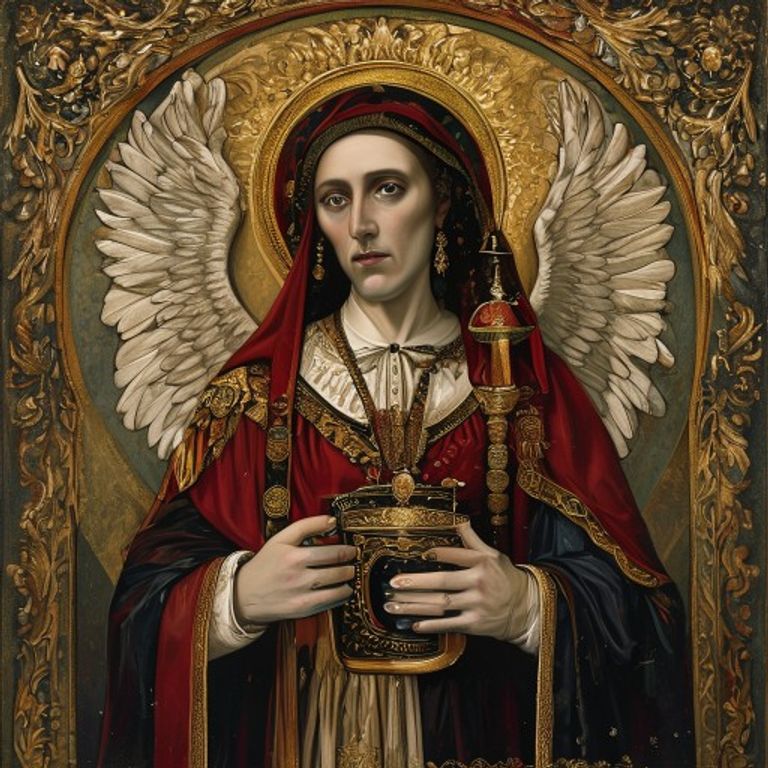
The Russian mystic survived poison and gunshots before being thrown into an icy river in 1916; the final report indicated drowning, turning his physical endurance into a historical legend.
⚠️ Research prepared with the aid of Deep Research is subject to referential ambiguity.
🖥️ Clean HTML code using a proprietary tool.
👥 Research by Guilherme Felipe, Curation by Sílvio Lôbo
The Enigma of the Death of Grigori Rasputin: A Deadly Historical Puzzle
The figure of Grigori Rasputin, the Siberian mystic who ascended to the pantheon of the Russian court, is shrouded in legends and mysteries. His death, a bloody and dramatic event at the twilight of the Russian Empire, remains one of the most enigmatic chapters of 20th-century history. Was it a murder orchestrated by disgruntled nobles? An assassination attempt thwarted by occult powers? Or did nature itself take charge of silencing the "saint" of Tobolsk? This article dives into the depths of this cold case, separating facts from the most audacious speculations.
1. The Context and the Incident: Where, When, and How the Mystery Began
The setting for the tragedy was the opulent and decadent Tsarist Russia, on the eve of its fall. In December 1916, amidst the outbreak of World War I and growing popular dissatisfaction, the fate of Grigori Rasputin was sealed on a cold and fateful night in Saint Petersburg. The incident occurred at the residence of Prince Felix Yusupov, at the Moika Palace, a location that would become the stage for one of the most discussed political assassinations in history.
Rasputin, with his growing influence over Empress Alexandra Feodorovna and the young Tsarevich Alexei, suffered from the disapproval of much of the Russian aristocracy. His interference in state affairs and the scandal that frequently surrounded him fueled a fervent desire to eliminate him. The conspirator group, led by Prince Yusupov, envisioned the perfect opportunity to remove the "man of God" who, in their view, was ruining Russia.
2. Timeline of Events: A Chronological Reconstruction
Reconstructing the events of the night of December 16 to 17, 1916, is crucial to understanding the complexity of the case. Although there are conflicting reports, the generally accepted timeline is as follows:
- Late Afternoon, December 16, 1916: Grigori Rasputin is invited to a private dinner at the Moika Palace under the pretext of meeting Prince Yusupov's wife, who was allegedly ill.
- Night, December 16, 1916: Rasputin arrives at the palace. According to reports, he was served cakes and wine poisoned with potassium cyanide. It is believed that Rasputin consumed a significant amount of poison, but, surprisingly, did not show the expected effects.
- Approximately 11:00 PM, December 16, 1916: Faced with the failure of the poison, the conspirators, including Prince Yusupov and Grand Duke Dmitri Pavlovich, decide to take other measures. Rasputin is taken to the palace basement.
- Approximately 12:30 AM, December 17, 1916: Reports diverge on what happened next. The most common describes Yusupov shooting Rasputin with a pistol.
- Approximately 1:00 AM, December 17, 1916: Surprisingly, Rasputin, wounded, allegedly stood up and tried to flee. Other shots were reportedly fired, but Rasputin continued to resist.
- Approximately 2:00 AM, December 17, 1916: Other conspirators, such as Vladimir Purishkevich, reportedly joined the attack. Rasputin, after being beaten and possibly hit by multiple gunshots, was tied up and taken out of the palace.
- Early Morning, December 17, 1916: Rasputin's body was thrown into the icy waters of the Neva River.
- Morning, December 17, 1916: Rasputin's body was discovered by fishermen.
3. Main Theories: An Analysis of Hypotheses
The mystery of Rasputin's death lies in his apparent resilience to multiple assassination attempts. Theories attempt to explain this resistance, ranging from scientific explanations to narratives of supernatural interventions.
3.1. Most Likely Scientific and Police Hypotheses
- Cyanide Tolerance Theory: This is the most widely accepted explanation by the scientific and historical community. The theory suggests that Rasputin, due to his regular consumption of certain traditional Siberian herbs and potions, could have developed a tolerance to cyanide. Some of these potions may have contained compounds that somehow neutralized or diminished the effectiveness of the poison. Post-mortem reports, although inconclusive due to the state of the body, did not rule out the presence of poison.
- Insufficient Poison Dose Theory: Another possibility is that the amount of cyanide administered was not enough to be fatal, especially if Rasputin had a full stomach or if the absorption of the poison was hindered.
- Adrenaline and Survival Reflex Theory: Once wounded and feeling in mortal danger, the human body can release adrenaline in large quantities, which can temporarily suppress pain and allow for surprising actions, such as fleeing. Rasputin, known for his physical strength and resilience, may have been driven by this extreme physiological response.
3.2. Alternative, Conspiracy, or Paranormal Theories
- Magical/Supernatural Resistance Theory: Popular and mystical narratives suggest that Rasputin possessed healing and supernatural protection powers that made him immune to assassination attempts. His followers believed in his divinity, and the unusual resistance to severe injuries reinforced this belief.
- Internal Conspiracy Theory: Some historians raise the possibility that other members of the court, with hidden agendas, may have conspired not only to kill Rasputin but also to manipulate the official version of events. The clandestine nature of the assassination and the subsequent official cover-up fuel this speculation.
- Divine Protection Theory: Similar to the supernatural theory, this hypothesis posits that Rasputin was under divine protection, and that fate saved him from death for a period, only to be executed by a specific group of conspirators.
4. Controversies and Blind Spots: Inconsistencies and Ignored Evidence
The case is full of inconsistencies and gaps that fuel the mystery:
- Conflicting Reports from Conspirators: The conspirators themselves, especially Prince Yusupov and Vladimir Purishkevich, gave contradictory accounts regarding the exact details of the assassination. Their narratives changed over time, possibly to present a more heroic version or to omit inconvenient information.
- Failure of the Official Investigation: The official investigation into Rasputin's death was rushed and superficial. It is believed that the imperial family exerted pressure to silence the case and avoid further scandals. Rasputin's body was quickly examined, and the official results were vague.
- Missing Evidence: The state of Rasputin's body after being recovered from the Neva River hindered a complete forensic analysis. Crucial details about the injuries, the exact cause of death, and the presence of poison may have been lost due to decomposition and extreme weather conditions.
- Controversial Autopsy: The autopsy performed on Rasputin's body was limited. The official cause of death was declared as "hypothermia and drowning," but the evidence of gunshot wounds and beating could not be fully evaluated. Reports from some observers at the time suggested that Rasputin could have died before being thrown into the river, due to his injuries.
5. Curiosities and Legacy: Cultural Impact and Current Status
The death of Grigori Rasputin transcended the limits of Russian history, becoming a cultural icon and a symbol of mystery and intrigue.
- Impact on the Russian Revolution: Although Rasputin was assassinated before the Russian Revolution of 1917, his death, and the subsequent fall of the Romanov dynasty, are often seen as interconnected events. The elimination of Rasputin did not bring stability to Russia, but rather intensified political turmoil.
- Literary and Cinematic Works: The figure of Rasputin and his death have inspired countless books, films, plays, and songs. His image as a charismatic and controversial mystic continues to fascinate the public.
- Current Status of the Case: The case of Rasputin's death remains officially closed. Theories and speculations continue to fuel historical debates and inspire new research. The lack of new concrete evidence and the long-standing nature of the mystery ensure that the enigma of his death will persist, a grim and fascinating testament to the final days of Tsarism.





