



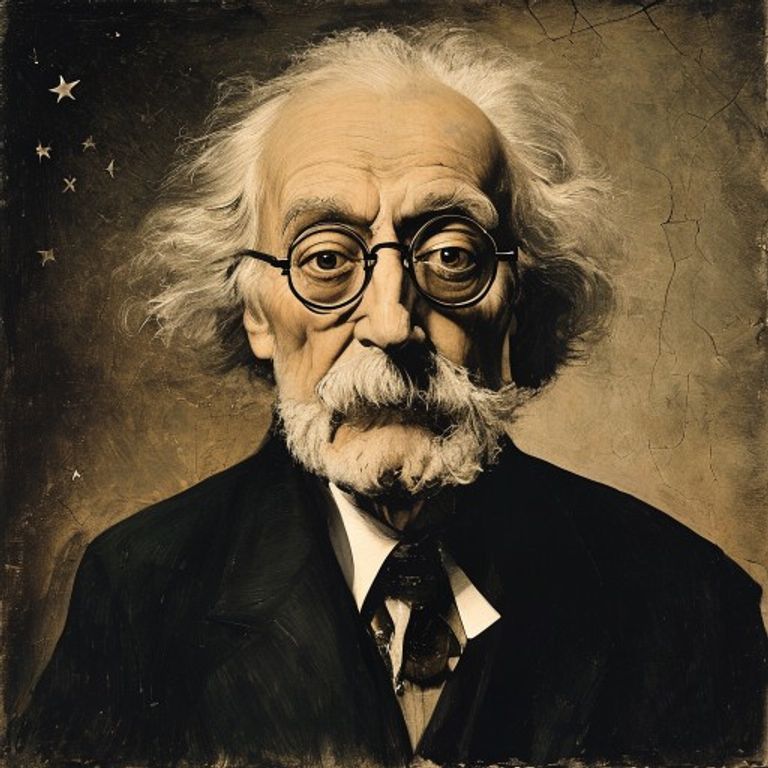
The passing of the father of psychoanalysis in 1939 in London, after fleeing the Nazi occupation in Austria and requesting a lethal dose of morphine due to terminal cancer.
⚠️ Research conducted with the aid of Deep Research is subject to referential ambiguity.
🖥️ Clean HTML code using a proprietary tool.
👥 Research by Guilherme Felipe, Curation by Sílvio Lôbo
The Mystery Surrounding the Death of Sigmund Freud: An Autopsy of Doubts
Sigmund Freud, the father of psychoanalysis, a figure whose theories shaped our understanding of the human mind, passed away on September 23, 1939, in London. However, the manner in which this monumental life came to an end remains shrouded in a veil of uncertainty, fueling speculations ranging from consensual euthanasia to darker hypotheses. This article aims to demystify the events, separate fact from fiction, and explore the blind spots that still linger over the twilight of the Viennese genius.
1. The Context and the Incident: The Farewell in London
The year 1939 marked a forced escape for Freud and his family. Fleeing Nazi persecution in Austria after the country's annexation by Germany, the renowned psychoanalyst, already 83 years old and suffering from incurable jaw cancer, sought refuge in England. They arrived in London in June 1938, finding a safer environment, yet not free from the anxieties of the impending war.
Freud spent his final months at his home in Maresfield Gardens, Hampstead. The disease, aggressive and painful, progressively weakened him. His death occurred at his residence under circumstances that, at first glance, seem clear, but which, under investigative scrutiny, reveal complexities and omissions.
2. Timeline of Crucial Events
- March 1939: Freud, already weakened by illness and age, intensifies his treatment for jaw cancer, which caused excruciating pain.
- September 1939: Freud's condition deteriorates significantly.
- September 21, 1939: Freud expresses to his physician, Dr. Max Schur, his desire to die, weary of the suffering. Schur, after some hesitation and consultations with Freud's daughter, Anna Freud, agrees to administer a dose of morphine.
- September 23, 1939: Freud receives two additional doses of morphine and passes away at his residence in Maresfield Gardens.
3. The Main Theories Regarding Freud's Death
The core of the mystery lies in the administration of morphine, which, for many, represents an act of euthanasia. The theories surrounding Freud's death can be categorized as follows:
Most Likely Scientific and Forensic Theory: Consensual Euthanasia
This is the most widely accepted explanation, based on the accounts of Dr. Max Schur and Anna Freud. The logic lies in Freud's extreme pain and unbearable suffering, exacerbated by terminal cancer. The patient's explicit request and the doctor's agreement to alleviate his suffering, even if it meant hastening the end, constitute the scenario of voluntary euthanasia, in an era where such discussions were even more taboo.
Evidence: Testimonies from Dr. Max Schur and Anna Freud. Letters exchanged between Schur and other doctors confirming the administration of the medication. Accounts from eyewitnesses close to the family.
Theory of Accelerated Natural Disease
A variation of the euthanasia theory, this hypothesis suggests that morphine, in therapeutic doses for pain relief, may have had the side effect of accelerating the natural process of death. Advanced cancer, in itself, would be the primary cause of death, with the medication merely contributing to a faster outcome.
Evidence: Aggressive nature of jaw cancer. The use of morphine for pain control in terminal stages.
Alternative and Conspiracy Theories: Shadows on the Legacy
Freud's figure, with his controversial theories and monumental influence, inevitably attracts more speculative theories. These, although lacking concrete evidence, fuel the imagination and the search for "deeper" explanations:
- Unsolicited Euthanasia: A strand of conspiracy suggests that euthanasia may have been administered without Freud's explicit consent, perhaps due to pressure from family or the doctor himself, impatient with the prolonged suffering. This theory is widely refuted by primary testimonies.
- Poisoning: In more extreme scenarios, some conspiracy theories suggest the possibility of poisoning, with obscure motivations linked to intellectual or political rivalries. There is no evidence to support this hypothesis.
- Paranormal or Supernatural Theories: Although Freud dedicated himself to the study of the unconscious and the occult in his writings, there are no direct paranormal theories about his death, beyond speculations about the "energy" of his departure, a theme more linked to his work than to a factual event.
4. Controversies and Blind Spots in the Official Narrative
Although consensual euthanasia is the dominant explanation, some points raise questions:
- Dr. Schur's Initial Reluctance: Reports indicate that Dr. Schur hesitated to administer the morphine, seeking confirmation from the family. This hesitation, while understandable, adds a layer of complexity to the act, raising the question of whether there was any additional pressure or justification that did not come to light.
- Absence of Formal Investigation: In 1939, the concept of forensic investigation for cases of natural or medically assisted death was less rigorous than it is today. The absence of a formal police inquiry left room for interpretations and documentary gaps.
- Family and Professional Secrecy: The intimate nature and the need for privacy surrounding the death of a public figure of such magnitude may have led to the concealment of details that could clarify the exact dynamics of the events.
- The Nature of the Morphine Doses: The exact amount of morphine administered and the frequency of the doses are points of debate, especially when seeking to differentiate pain relief from the intentional acceleration of death.
5. Curiosities and Legacy: The Persistent Echo of the Mystery
The case of Sigmund Freud's death has not been officially reopened, and its current status is that of a historical event whose circumstances are widely understood, but not entirely devoid of interpretive nuances.
- Cultural Impact: The "mystery" surrounding Freud's death added an aura of complexity to his figure, often portrayed in works of fiction and documentaries that explore the limits of life, death, and medical ethics. The way such a deep and analytical mind dealt with the end of his own existence resonates with universal existential questions.
- The Freud Archive: Freud's archives, carefully preserved by his family and, subsequently, by institutions, contain valuable documents, but direct correspondence and more intimate testimonies about his final days are still subject to analysis by historians and psychoanalysts.
- Ethical Legacy: Freud's case raises perennial debates about patient autonomy, the role of the physician in cases of terminal suffering, and the limits of euthanasia, themes that continue to evolve in society and medical practice.
Ultimately, the case of Sigmund Freud's death remains a fascinating case study, where science, ethics, and human nature intertwine. The thin line between pain relief and the act of ending a life, especially when requested by such a brilliant and tormented mind, will continue to be a point of reflection and, for some, an unresolved enigma.





