



Sílvio Lôbo may not agree with the controversies, concepts, or definitions present in this article, but it is a real, present, and duly referenced opinion.
Source: http://www.sepoangol.org/hindu.htm by Vania DaSilva
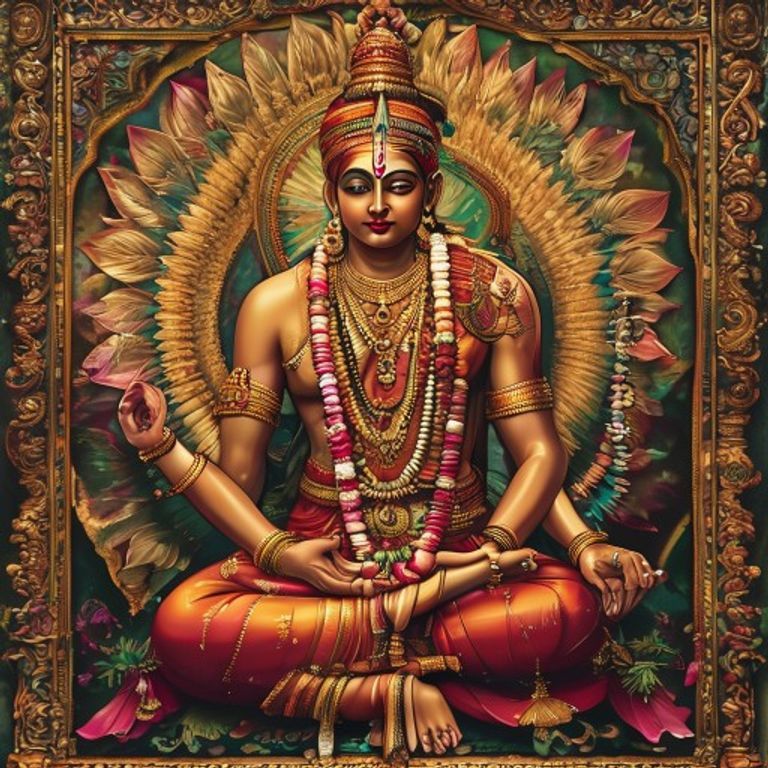
Introduction to Hinduism
The denomination of the set of religious principles, doctrines, and practices that emerged in India around 2000 BCE. The term is Western, and followers know it as Sanatana Dharma, from Sanskrit (the original language of India), meaning "the eternal order." It is based on the four books of the Vedas (knowledge), a collection of sacred texts composed of hymns and rites in the 10th century, named Rigveda, Samaveda, Yajurveda, and Artharvaveda. These four volumes are divided into two parts: the portion of work (polytheistic rituals) and the portion of knowledge (philosophical speculations), also called Vedanta. The Vedic tradition originated with the first Aryans, a people of Indo-European origin (the same who developed Greek culture) who settled in the Indus and Ganges river valleys around 1500 BCE.
History of Hinduism
According to Hinduism, the Vedas contain the eternal truths revealed by the gods and the order (dharma) that governs beings and things, organizing them into castes. Each caste has its own spiritual and social rights and duties. A person's position in a particular caste is defined by their karma (the sum of their actions in previous lives). The caste to which an individual belongs indicates their spiritual status. The goal is to overcome the cycle of reincarnation (samsara), thus achieving nirvana, the wisdom resulting from self-knowledge and knowledge of the entire Universe. The path to nirvana, according to Hinduism, involves asceticism (a doctrine that devalues the corporeal and sensory aspects of man), religious practices, prayers, and yoga. In this way, a person achieves "salvation," escaping the cycles of reincarnation.
Practice of Faith in Hinduism
In Vedic worship, the most requested boons from the gods are long life, material possessions, and male children. There are several deities. Agni is the father of men, god of fire and the home. Indra rules war. Varuna is the supreme god, king of the universe, of the gods, and of men. Ushas is the goddess of dawn; Surya and Vishnu, rulers of the sun; Rudra and Shiva, of the storm. Animals such as cows, mice, and snakes are worshipped because they are possibly the reincarnation of some family members. There are three times more mice than the country's population, and they destroy a quarter of the nation's entire harvest. The Ganges River is considered sacred, where thousands of people bathe daily to purify themselves. Many mothers drown their newborn children as sacrifices to the gods.
Priesthood in Hinduism
The Brahmins (priests) created the caste system, which became the main institution of Indian society. Without abandoning the deities recorded in the Vedas, they established Brahma as the principal god and the creator principle. He is part of the Trimurti, the divine triad completed by Shiva and Vishnu. According to tradition, Brahma had four sons who formed the four original castes: Brahmins (from Brahma's lips), who are the priests considered pure and privileged; Kshatriyas (from Brahma's arms), who are warriors; Vaishyas (from Brahma's legs), who are farmers, merchants, and artisans; and Shudras (from Brahma's feet), who are servants and slaves. The Pariahs are people who do not belong to any caste because they have disobeyed religious laws. They cannot live in cities, read sacred books, or bathe in the Ganges River.
The main characteristics of Hinduism are polytheism, yoga, meditation, and reincarnation. It is estimated that there are currently over 660 million adherents worldwide, with a pantheon of 33 million gods and 200 million sacred cows. All the cattle in India could feed its population for five years; however, hunger is devastating in the country due to idolatry.
Theology of Hinduism
Everything is God, God is everything: Hinduism teaches, as in Pantheism, that man is united with nature and the universe. The universe is God, and being united with the universe, all are gods. It also teaches that this same God is impersonal. Many gods worshipped by Hindus are amoral and immoral.
The physical world is an illusion: in the three-dimensional world, designated as maya, man and his personality are nothing more than a dream. To be free from suffering (payment for what was done in a past incarnation), one must become free from the illusion of personal and physical existence. Through yoga and transcendental meditation, a person can transcend this world of illusions and achieve enlightenment, final liberation. Hinduism teaches that yoga is an eight-step process, which leads to the culmination of the person transcending to the impersonal universe, where the practitioner loses the sense of individual existence.
The law of karma: the good and evil that a person does will determine how they will be in the next reincarnation. A Hindu's greatest hope is to reach the stage of becoming nonexistent. To become part of this impersonal God, of the universe.
Biblical Truths
God: We believe in one God, eternally subsisting in three distinct persons, the Father, the Son, and the Holy Spirit, Dt 6:24; Mt 28:19; Mk 12:29.
Jesus: We believe in the virgin birth of Jesus, in his vicarious and atoning death, in his bodily resurrection from the dead, and in his glorious ascension into heaven, Is 7:14; Lk 1:26-31; 24:4-7; Acts 1:9.
Holy Spirit: We believe in the Holy Spirit as the third person of the Trinity, as the Comforter and the one who convicts man of sin, righteousness, and coming judgment. We believe in the baptism in the Holy Spirit, which is ministered to us by Jesus, with the evidence of speaking in other tongues, and in the present operation of the nine spiritual gifts, Jl 2:28; Acts 2:4; 1:8; Mt 3:11; I Cor 12:1-12.
Man: We believe in the creation of the human being, equal in merits and opposite in sex; perfect in his physical, psychic, and spiritual nature; who responds to the world in which he lives and to his creator through his physiological, natural, and moral attributes, inherent to his own person; and that sin has deprived him of his primary position before God, making him morally depraved, spiritually dead, and condemned to eternal perdition, Gen 1:27; 2:20,24; 3:6; Is 59:2; Rom 5:12; Eph 2:1-3.
Bible: We believe in the verbal and divine inspiration of the Holy Bible, the only infallible rule of faith for the Christian's life and character, II Tim 3:14-17; II Pet 1:21.
Sin: We believe in the sinfulness of man, which has deprived him of the glory of God, and that only through repentance of his sins and faith in the atoning work of Jesus can he be restored to God, Rom 3:23; Acts 3:19; Rom 10:9.
Heaven and Hell: We believe in the coming judgment, which will condemn the unfaithful and end the physical dispensation of the human being. We believe in the new heaven, the new earth, in eternal life of joy for the faithful, and in eternal condemnation for the unfaithful, Mt 25:46; II Pet 3:13; Rev 21:22; 19:20; Dan 12:2; Mk 9:43-48.
Salvation: We believe in the forgiveness of sins, in present and perfect salvation, and in the eternal justification of the soul, received freely from God through Jesus, Acts 10:43; Rom 10:13; Heb 7:25; 5:9; John 3:16.
Confession of Faith: For more extensive information on fundamental biblical doctrine, access the Confession of Faith of Igreja Pentecostal Betânia and Sepoangol World Ministries here.
Introduction to Hinduism
The denomination of the set of religious principles, doctrines, and practices that emerged in India around 2000 BCE. The term is Western, and followers know it as Sanatana Dharma, from Sanskrit (the original language of India), meaning "the eternal order." It is based on the four books of the Vedas (knowledge), a collection of sacred texts composed of hymns and rites in the 10th century, named Rigveda, Samaveda, Yajurveda, and Artharvaveda. These four volumes are divided into two parts: the portion of work (polytheistic rituals) and the portion of knowledge (philosophical speculations), also called Vedanta. The Vedic tradition originated with the first Aryans, a people of Indo-European origin (the same who developed Greek culture) who settled in the Indus and Ganges river valleys around 1500 BCE.
History of Hinduism
According to Hinduism, the Vedas contain the eternal truths revealed by the gods and the order (dharma) that governs beings and things, organizing them into castes. Each caste has its own spiritual and social rights and duties. A person's position in a particular caste is defined by their karma (the sum of their actions in previous lives). The caste to which an individual belongs indicates their spiritual status. The goal is to overcome the cycle of reincarnation (samsara), thus achieving nirvana, the wisdom resulting from self-knowledge and knowledge of the entire Universe. The path to nirvana, according to Hinduism, involves asceticism (a doctrine that devalues the corporeal and sensory aspects of man), religious practices, prayers, and yoga. In this way, a person achieves "salvation," escaping the cycles of reincarnation.
Practice of Faith in Hinduism
In Vedic worship, the most requested boons from the gods are long life, material possessions, and male children. There are several deities. Agni is the father of men, god of fire and the home. Indra rules war. Varuna is the supreme god, king of the universe, of the gods, and of men. Ushas is the goddess of dawn; Surya and Vishnu, rulers of the sun; Rudra and Shiva, of the storm. Animals such as cows, mice, and snakes are worshipped because they are possibly the reincarnation of some family members. There are three times more mice than the country's population, and they destroy a quarter of the nation's entire harvest. The Ganges River is considered sacred, where thousands of people bathe daily to purify themselves. Many mothers drown their newborn children as sacrifices to the gods.
Priesthood in Hinduism
The Brahmins (priests) created the caste system, which became the main institution of Indian society. Without abandoning the deities recorded in the Vedas, they established Brahma as the principal god and the creator principle. He is part of the Trimurti, the divine triad completed by Shiva and Vishnu. According to tradition, Brahma had four sons who formed the four original castes: Brahmins (from Brahma's lips), who are the priests considered pure and privileged; Kshatriyas (from Brahma's arms), who are warriors; Vaishyas (from Brahma's legs), who are farmers, merchants, and artisans; and Shudras (from Brahma's feet), who are servants and slaves. The Pariahs are people who do not belong to any caste because they have disobeyed religious laws. They cannot live in cities, read sacred books, or bathe in the Ganges River.
The main characteristics of Hinduism are polytheism, yoga, meditation, and reincarnation. It is estimated that there are currently over 660 million adherents worldwide, with a pantheon of 33 million gods and 200 million sacred cows. All the cattle in India could feed its population for five years; however, hunger is devastating in the country due to idolatry.
Theology of Hinduism
Everything is God, God is everything: Hinduism teaches, as in Pantheism, that man is united with nature and the universe. The universe is God, and being united with the universe, all are gods. It also teaches that this same God is impersonal. Many gods worshipped by Hindus are amoral and immoral.
The physical world is an illusion: in the three-dimensional world, designated as maya, man and his personality are nothing more than a dream. To be free from suffering (payment for what was done in a past incarnation), one must become free from the illusion of personal and physical existence. Through yoga and transcendental meditation, a person can transcend this world of illusions and achieve enlightenment, final liberation. Hinduism teaches that yoga is an eight-step process, which leads to the culmination of the person transcending to the impersonal universe, where the practitioner loses the sense of individual existence.
The law of karma: the good and evil that a person does will determine how they will be in the next reincarnation. A Hindu's greatest hope is to reach the stage of becoming nonexistent. To become part of this impersonal God, of the universe.
Biblical Truths
God: We believe in one God, eternally subsisting in three distinct persons, the Father, the Son, and the Holy Spirit, Dt 6:24; Mt 28:19; Mk 12:29.
Jesus: We believe in the virgin birth of Jesus, in his vicarious and atoning death, in his bodily resurrection from the dead, and in his glorious ascension into heaven, Is 7:14; Lk 1:26-31; 24:4-7; Acts 1:9.
Holy Spirit: We believe in the Holy Spirit as the third person of the Trinity, as the Comforter and the one who convicts man of sin, righteousness, and coming judgment. We believe in the baptism in the Holy Spirit, which is ministered to us by Jesus, with the evidence of speaking in other tongues, and in the present operation of the nine spiritual gifts, Jl 2:28; Acts 2:4; 1:8; Mt 3:11; I Cor 12:1-12.
Man: We believe in the creation of the human being, equal in merits and opposite in sex; perfect in his physical, psychic, and spiritual nature; who responds to the world in which he lives and to his creator through his physiological, natural, and moral attributes, inherent to his own person; and that sin has deprived him of his primary position before God, making him morally depraved, spiritually dead, and condemned to eternal perdition, Gen 1:27; 2:20,24; 3:6; Is 59:2; Rom 5:12; Eph 2:1-3.
Bible: We believe in the verbal and divine inspiration of the Holy Bible, the only infallible rule of faith for the Christian's life and character, II Tim 3:14-17; II Pet 1:21.
Sin: We believe in the sinfulness of man, which has deprived him of the glory of God, and that only through repentance of his sins and faith in the atoning work of Jesus can he be restored to God, Rom 3:23; Acts 3:19; Rom 10:9.
Heaven and Hell: We believe in the coming judgment, which will condemn the unfaithful and end the physical dispensation of the human being. We believe in the new heaven, the new earth, in eternal life of joy for the faithful, and in eternal condemnation for the unfaithful, Mt 25:46; II Pet 3:13; Rev 21:22; 19:20; Dan 12:2; Mk 9:43-48.
Salvation: We believe in the forgiveness of sins, in present and perfect salvation, and in the eternal justification of the soul, received freely from God through Jesus, Acts 10:43; Rom 10:13; Heb 7:25; 5:9; John 3:16.
Confession of Faith: For more extensive information on fundamental biblical doctrine, access the Confession of Faith of Igreja Pentecostal Betânia and Sepoangol World Ministries here.





