



⚠️ Research conducted with the aid of Deep Research may be subject to referential ambiguity.
🖥️Clean HTML code using a proprietary tool.
👥 Research by Guilherme Felipe, Curation by Sílvio Lôbo
Getting Started with Rollerblading
Rollerblading can be a fun activity and a great workout. To start safely and confidently, it's important to be prepared and follow some tips.
Essential Equipment
Investing in protective gear is crucial to prevent injuries.
- Skates: There are various types of skates (quad, in-line, aggressive). For beginners, quad skates (with wheels in a straight line and two parallel in the back) or in-line skates (with wheels in a row) are the most recommended. Choose a comfortable pair that fits your foot well.
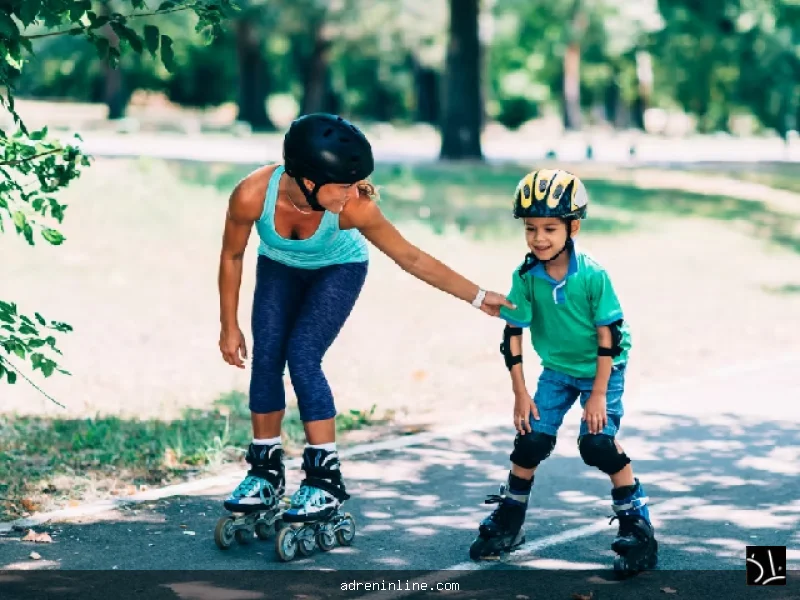
- Helmet: Essential for protecting your head in case of falls. Make sure it's well-adjusted.
- Wrist Guards: Wrists are often the first part of the body to hit the ground in a fall. These guards help prevent sprains and fractures.
- Elbow Pads: Protect your elbows from scrapes and bruises.
- Knee Pads: Essential for absorbing impact and protecting your knees in falls.
Tips and Precautions for Beginners
Safety should be the top priority when learning to rollerblade.
- Start in a safe place: Look for a smooth, flat surface free of obstacles. An empty parking lot, a sports court, or a less crowded bike path are good options. Avoid streets with car traffic.
- Wear all protective gear: Never venture out to skate without a helmet and other protective gear.
- Learn to fall: Falling is part of learning. Try to fall to the side, protecting your head with your arms and trying to roll. Avoid falling backward or forward uncontrollably.
- Keep your knees bent: Slightly bent knees help maintain balance and absorb impacts.
- Start slowly: Don't try to speed right away. Start by practicing balance while standing still, then small movements forward and backward.
- Feet apart: Keep your feet shoulder-width apart for a more stable base.
- Look where you want to go: The direction your eyes follow generally dictates where your body will go.
- Practice braking: Learn the braking technique for your type of skates as soon as possible. On in-line skates, for example, the "T" stop is common for beginners.
- Be patient: Learning to rollerblade takes time and practice. Don't get discouraged by falls; they are part of the process.
- Find an instructor or experienced friend: If possible, have someone who already rollerblades to give you tips and help you with your first attempts.
With dedication and proper care, you'll be gliding on wheels in no time!





