




⚠️ Research conducted with the aid of Deep Research may be subject to referential ambiguity.
🖥️ Clean HTML code using proprietary tools.
👥 Research by Guilherme Felipe, Curation by Sílvio Lôbo
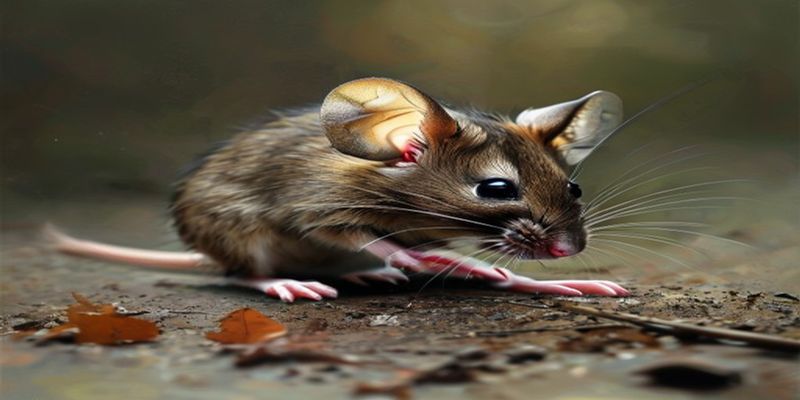
Modern Practices for Controlling Rat Infestations in Residences
Dealing with a rat infestation at home can be a challenge, but modern practices offer more efficient and safer solutions. The focus has shifted towards integrated methods, prioritizing prevention and the use of advanced technologies.
Prevention: The First Line of Defense
Prevention is fundamental and encompasses several actions:
- Sealing Entry Points: Identify and seal all possible rodent entry points, such as holes in walls, gaps in doors and windows, and openings in pipes. Use resistant materials like steel mesh, cement, or mortar.
- Waste Management: Store garbage in containers with well-sealed lids and dispose of it regularly. Avoid accumulating organic waste inside or around the residence.
- Controlling Food and Water Sources: Keep food stored in airtight containers, clean up crumbs and food scraps immediately, and fix water leaks.
- Eliminating Shelters: Reduce the accumulation of objects and debris both inside and outside the house, such as piles of wood, boxes, or dense vegetation near the foundation, which can serve as hiding places for rats.
Current Control Methods
When an infestation occurs, modern approaches aim for effectiveness and safety:
- First-Generation Baits (Anticoagulants): Although still used, newer anticoagulant formulations are more effective and, in some cases, less dangerous to pets and children when used correctly in secure bait stations. However, it is crucial to strictly follow the manufacturer's instructions.
- Secure Bait Stations: These devices are designed to contain baits and prevent access by non-target animals, such as dogs and cats, as well as protect the bait from the elements.
- Smart Traps and Sensors: More advanced technologies include traps that send notifications to smartphones when a rat is caught, allowing for quick action. Motion sensors and thermal cameras can be used to identify areas of high rodent activity and position baits or traps more strategically.
- Biological Control (Less Common in Domestic Environments): In specific cases and in rural areas, the introduction of natural predators like owls may be considered, but it is not a common or recommended practice for urban domestic environments.
- Professional Pest Control Services: Specialized companies use in-depth technical knowledge to identify the rat species, map infestation hotspots, and implement an integrated control plan, combining several of the mentioned practices. They also have access to more effective and safer products and equipment.
Important Considerations
It is essential to remember that safety should always be the priority. When using any control method, especially with baits, ensure that children and pets do not have access to the treated areas. Consulting a pest control professional is highly recommended to ensure the correct and safe application of the most modern methods.





