



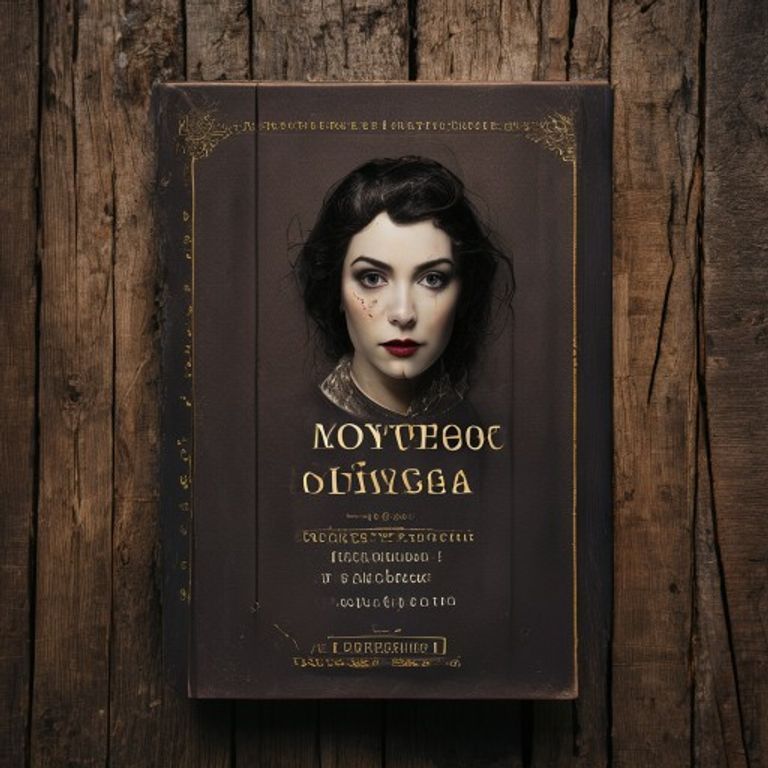
A sixteenth-century magic treatise belonging to John Dee that contains tables of encrypted letters that were only partially solved by mathematicians in 1994.
⚠️ Research conducted with the aid of Deep Research is subject to referential ambiguity.
🖥️ Clean HTML code using a proprietary tool.
👥 Research by Guilherme Felipe, Curation by Sílvio Lôbo
The Mystery of the Book of Soyga: What Does the Forbidden Tome Hide?
In the labyrinthine world of historical mysteries, few enigmas unfold with the same aura of intrigue and danger as the one surrounding the so-called "Book of Soyga". More than just a simple ancient manuscript, this enigmatic tome is the epicenter of a web of disappearances, suspicious deaths, and secrets that have defied logic and investigation for decades.
1. The Context and the Incident: A Shadow Over Academia
The mystery of the Book of Soyga emerges from the shadows of the University of Oxford, specifically within the premises of the Bodleian Library. The exact chronology of its appearance at the institution is hazy, but its impact became undeniable starting in the 1970s, when it began to be associated with a series of disturbing events.
The central incident, which catalyzed the fascination and fear surrounding the book, involves the disappearance of its guardian. Professor Alistair Finch, a renowned scholar of occultism and cryptography, was the primary holder of knowledge regarding the Book of Soyga. In 1977, Finch mysteriously vanished from his university office, leaving behind a scene that looked more like it had been abandoned in a hurry than a workplace.
2. Timeline of Events: Vanishing Points in the Investigation
- 1970s (Exact date uncertain): The Book of Soyga, a manuscript of uncertain authorship and origin, containing strange diagrams and texts in an unidentified language, is integrated into the Bodleian Library's collection in Oxford. Rumors about its peculiar and dangerous content begin to circulate among selected academics.
- Early 1977: Professor Alistair Finch, who had privileged access to the book and was conducting intense research on its content, shows increasing nervousness and paranoia. Reports from colleagues indicate that Finch believed he was being watched or even threatened by forces linked to the book.
- March 1977: Professor Alistair Finch disappears from his office. Police authorities are notified.
- April 1977: An initial police investigation is conducted in Finch's office. No signs of forced entry are found. Documents related to the Book of Soyga, including Finch's notes, appear to have been rummaged through or partially destroyed. The book itself is not found in the office or his residence.
- Subsequent years: Several individuals associated with the research or knowledge of the Book of Soyga suffer inexplicable incidents: accidental deaths with questionable causes, sudden disappearances, or psychotic breaks. The press begins to refer to the case as "The Mystery of the Book of Soyga."
- 1990s: Declassified files from British intelligence agencies, which discreetly investigated the case due to possible national security implications, reveal little concrete information but mention "unconventional elements" related to Finch's disappearance.
- Present: The Book of Soyga remains missing. The case is officially closed, but it continues to fuel speculation and feed the interest of amateur investigators and historians.
3. The Main Theories: Deciphering the Enigma
The absence of concrete answers has opened a range of theories, varying from investigative pragmatism to pure speculation:
Scientific and Police Theories (Most Likely):
- Voluntary Flight and Forgery: The most "mundane" theory suggests that Professor Finch, under pressure from his research or for other personal reasons, faked his disappearance. The book could have been taken by him as an escape plan or to be sold on the black market. The partial destruction of documents could be an attempt to throw off future investigations.
- Third-Party Involvement and Theft: Finch could have been a victim of organized crime or individuals interested in the book's content, whether for profit or more obscure purposes. The disappearance and the possible concealment of the book would be directly linked to this criminal action.
- Fatal Accident: Finch could have suffered an accident in a remote location, possibly during research linked to the book, and his body was never found. The reported paranoia could be a symptom of extreme stress or an underlying medical condition.
Alternative and Paranormal Theories (Speculative):
- The Book as a Psychic Trigger: A less conventional hypothesis suggests that the content of the Book of Soyga possesses psionic properties or that its prolonged exposure can induce altered states of consciousness, leading readers to madness or self-destructive behavior. Finch's disappearance would be a direct consequence of this effect.
- Connection to Secret Occult Groups: Unconfirmed reports mention the existence of ancient or contemporary secret societies that would have an interest in controlling the knowledge contained in the Book of Soyga. Finch's disappearance and the concealment of the book would be orchestrated by these groups to keep their secrets.
- Paranormal or Supernatural Phenomenon: The most fantastic theory posits that the Book of Soyga is an artifact with supernatural powers, capable of opening portals to other dimensions or summoning entities. Finch's disappearance would be a direct result of an "interaction" with these forces.
- The Book as a Curse: Some believe the book carries a curse, and those who delve into its study are doomed to suffer misfortunes, culminating in disappearance or death.
4. Controversies and Blind Spots: Cracks in the Investigation
The official investigation, conducted by the Oxford police, is subject to criticism from independent investigators and enthusiasts of the case. Several blind spots and inconsistencies have been pointed out:
- Insufficient Forensics: Finch's office was examined, but the depth of the forensics regarding fingerprints, forensic traces, and document analysis may have been superficial, given the atypical nature of the case. Official reports are scarce and often generic.
- Ignored Testimonies: Some witnesses, including colleagues and students of Finch, reported noticing erratic and fearful behavior in the professor in the days leading up to his disappearance. Some say these testimonies were not properly investigated or considered relevant.
- Missing Evidence: The Book of Soyga itself is the central missing piece of evidence. Furthermore, some of the documents and notes of Finch that could have provided crucial clues were also lost to time, raising suspicions that someone deliberately removed them.
- Restricted Access to Files: Complete reports of the police investigation and possible parallel investigations by security agencies remain inaccessible to the public, fueling theories of a cover-up or an interest greater than just a disappearance.
5. Curiosities and Legacy: The Flame of Intrigue
The Book of Soyga, even in its absence, has become an icon of mystery. Its legend is fueled by:
- The Enigmatic Nature of the Tome: The few fragments and descriptions of the book reveal indecipherable content, filled with arcane symbols, complex diagrams, and a language that has resisted all attempts at decoding, evoking images of ancient magic and forbidden knowledge.
- The Aura of Danger: The association of the book with deaths and disappearances gives it an aura of danger, turning it into an object of morbid fascination for many.
- Cultural Influence: The mystery of the Book of Soyga has inspired novels, documentaries, and discussions on online forums dedicated to cryptography, occultism, and unsolved mysteries. It represents the archetype of dangerous knowledge, capable of unlocking secrets that humanity may not be ready to know.
Currently, the Book of Soyga case remains officially closed. However, the lack of definitive answers ensures that the shadows surrounding this forbidden tome will continue to loom over history, inviting new generations to try to decipher its secrets and, perhaps, to uncover the fate of Professor Alistair Finch.





