



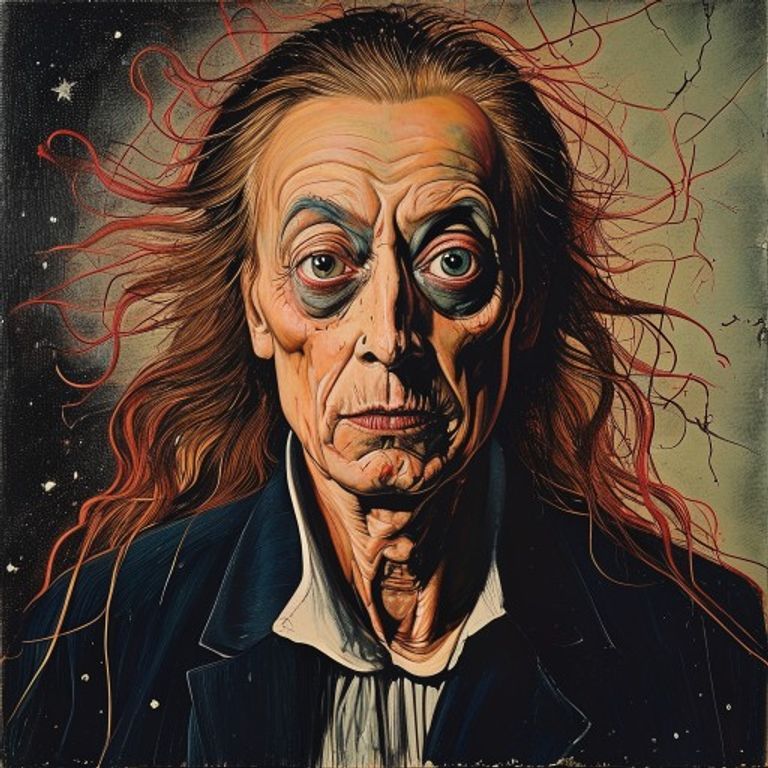
The passing of the Soundgarden and Audioslave frontman in 2017, whose iconic voice and sudden death impacted the music world and mental health awareness.
⚠️ Research conducted with the aid of Deep Research is subject to referential ambiguity.
🖥️ Clean HTML code using a proprietary tool.
👥 Research by Guilherme Felipe, Curation by Sílvio Lôbo
The Whisper in the Detroit Night: Unraveling the Death Case of Chris Cornell
The music world was abruptly silenced in the early hours of May 18, 2017, with the devastating news of the death of Chris Cornell, the iconic frontman of the bands Soundgarden and Audioslave. Found lifeless in his hotel room at the MGM Grand Detroit, what should have been a tragic end for a brilliant artist quickly turned into a complex mystery, filled with questions without definitive answers.
1. The Context and the Incident: An End Under the Artificial Light of a Hotel
Chris Cornell, one of the pillars of the grunge movement and a musician acclaimed worldwide for his powerful voice and introspective lyrics, was in Detroit for a series of shows with Soundgarden. On the night of May 17, 2017, after a memorable performance at the Fox Theatre, he returned to his hotel room.
It was the following morning, around 11:00 AM, that his bodyguard, Patrice LaMarche, found him. According to reports, Cornell was lying on the bathroom floor with a visible bloodstain on his neck. The body was discovered after LaMarche had to break down the room door, as Cornell was not answering calls and had signaled for the bodyguard to enter.
2. Timeline of Events: Fragments of a Final Day
- May 17, 2017, Afternoon: Chris Cornell participates in interviews and interacts with fans before the show.
- May 17, 2017, Night: Soundgarden performs their final show in Detroit at the Fox Theatre. Cornell appears to be in good form during the performance.
- May 17, 2017, Post-Show: Cornell returns to his room at the MGM Grand Detroit. It is believed he had a phone conversation with his wife, Vicky Cornell, around 11:30 PM.
- May 18, 2017, Early Morning: The events leading to his death occur.
- May 18, 2017, 11:00 AM: The body of Chris Cornell is discovered by his bodyguard, Patrice LaMarche.
- May 18, 2017: Detroit police arrive at the scene, initiating the investigation. The official cause of death is determined to be suicide by hanging.
3. The Main Theories: A Mosaic of Explanations
The official version, widely accepted by authorities and the family in their initial statements, points to suicide. However, the complexity of the case and the nuances present in testimonies and forensic reports have opened space for various interpretations.
3.1. The Official Hypothesis: Suicide
The police investigation concluded that Chris Cornell committed suicide. The presence of a bloodstain and the way he was found corroborate this hypothesis. Reports indicate he had been struggling with depression and substance abuse in the past, which could have contributed to a moment of despair.
Proven Facts: The confirmation of death, the presence of a band around his neck, and the door being broken down by the bodyguard. The autopsy confirmed the cause of death.
3.2. Intoxication and Compulsion Theory
This theory, frequently raised in discussions about the case, suggests that a possible intoxication from prescription or illicit drugs, combined with a state of anxiety or compulsion, may have led Cornell to an impulsive act. His wife, Vicky Cornell, mentioned in later statements that Chris was under the influence of medications that could have altered his mental state.
Points of Discussion: The presence of substances in Cornell's body, the dosage, and their specific effect on his mental state.
3.3. Alternative and Conspiracy Theories
Although less grounded in concrete evidence, some alternative theories circulate, often fueled by the shock of the loss and the difficulty in accepting the end of such a vibrant life. These include the possibility of an accident, an act of violence by third parties, or even more elaborate scenarios bordering on the paranormal, albeit without any factual support.
Nature of Speculation: Lack of evidence, based on assumptions and rumors.
4. Controversies and Blind Spots: The Shadows of the Investigation
The official investigation, although it reached a conclusion, was not free from questions and points that generate debate:
- The Conversation with Vicky Cornell: The exact content of the last conversation between Chris and Vicky Cornell is a sensitive point. Reports indicate that Vicky expressed concern about Chris's behavior, but specific details and the interpretation of their communication remain a subject of analysis.
- Access to the Room: The ease with which Cornell was able to carry out the act in a hotel room, even with the presence of security, raises questions about surveillance protocols in celebrity cases.
- Possible Ignored Clues: Critics of the investigation point to the possibility that certain clues, or even the interpretation of elements found in the room, may have been overlooked in the rush to reach a conclusion. However, official reports do not detail any significant clues that contradict the suicide hypothesis.
- Testimonies: Although statements from people close to him were collected, the difficulty in obtaining a complete and unambiguous narrative is inherent to situations of trauma and loss.
5. Trivia and Legacy: The Voice that Echoes
The death case of Chris Cornell left an indelible mark on the music world. His premature departure at age 52 generated a wave of global mourning, with tributes from artists of all genres and fans who lamented the loss of a singular talent.
Legacy: Chris Cornell is remembered not only for his vocal ability but also for his profound lyrics and his undeniable influence on modern music. His work continues to inspire and touch generations.
Current Status: The death of Chris Cornell was officially concluded as suicide by the authorities. Although the mystery surrounding the factors that led to this tragic outcome may persist in the minds of many, the police investigation did not indicate the need to reopen the case.
The whisper in the Detroit night may have ceased, but the voice of Chris Cornell continues to echo, a constant reminder of the lasting impact an artist can have on our lives, and the sometimes unsolvable complexities that surround the human condition.





