



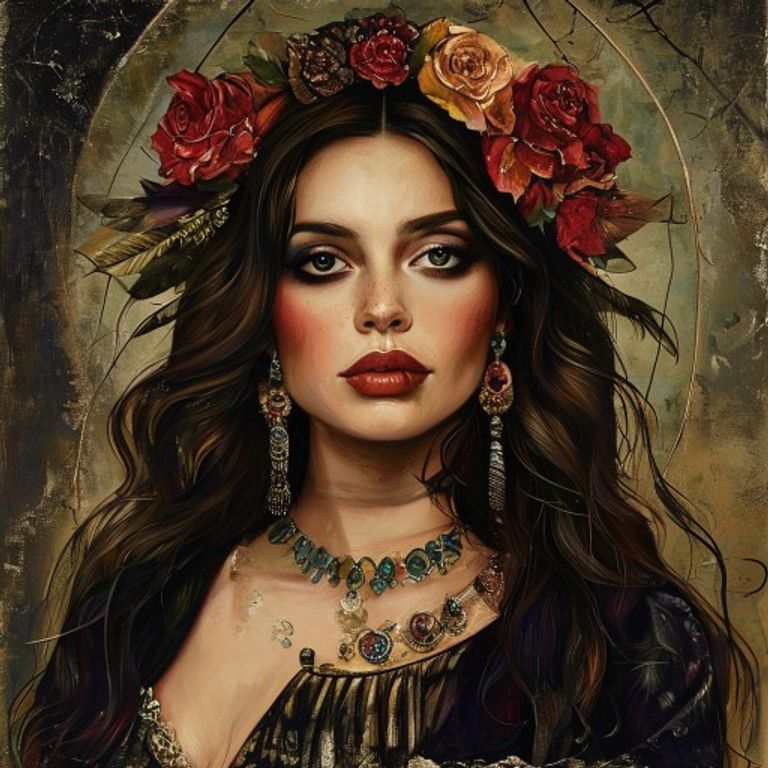
The passing of the 'Little Notable' in 1955, the first Brazilian artist to achieve international stardom and leave her mark on the Hollywood Walk of Fame.
⚠️ Research conducted with the aid of Deep Research is subject to referential ambiguity.
🖥️ Clean HTML code using a proprietary tool.
👥 Research by Guilherme Felipe, Curation by Sílvio Lôbo
The Case of Carmen Miranda's Death: The Mystery of the Pineapple Lady That Resists Time
The vibrant and charismatic figure of Carmen Miranda, the Portuguese-Brazilian star who conquered Hollywood with her exuberant turbans and infectious sambas, is an unquestionable icon of popular culture. However, behind the glitz of the screens and the furor of her shows, lies a dark chapter shrouded in mystery: her premature death and the circumstances surrounding it, which, decades later, still fuel debates and speculation.
1. The Context and the Incident: Life in Hollywood and the Decline
Born Maria do Carmo Miranda da Cunha in Vila do Conde, Portugal, on February 9, 1909, Carmen shone brightly in Brazil before taking flight to the United States in 1939. Quickly, the "Brazilian Bombshell" became a phenomenon in Hollywood, starring in musical films and performing on renowned stages. Her exotic image and infectious energy catapulted her to international stardom.
However, the end of the 1950s brought with it a decline in her film career, accompanied by increasing pressure and exhaustion. It was during a performance on the American television program "The Jimmy Durante Show" in 1955 that the first warning sign appeared publicly: Carmen Miranda fainted on stage, highlighting health problems that were already afflicting her.
The incident that would seal her fate occurred in Beverly Hills, California, at the mansion she shared with her husband, film producer David Sebastian. On the night of August 4, 1955, after another performance, Carmen felt ill and fainted again. What followed, according to reports, was a period of worsening condition, culminating in her death in the early hours of August 5, 1955, at the age of 46.
2. Timeline of Crucial Events
- February 9, 1909: Birth of Maria do Carmo Miranda da Cunha in Vila do Conde, Portugal.
- 1939: Move to the United States and the beginning of her rise in Hollywood.
- 1955: Carmen Miranda faints publicly during a performance on "The Jimmy Durante Show," raising concerns about her health.
- August 4, 1955 (night): Carmen Miranda faints at her residence in Beverly Hills after a performance.
- August 5, 1955 (early morning): Death of Carmen Miranda.
- August 1955: Official announcement of the cause of death and funeral.
- Subsequent decades: Emergence of speculations and theories about the circumstances of her death.
3. The Main Theories: Between Science and Mystery
The official version of Carmen Miranda's death points to cardiac arrest, exacerbated by severe hepatitis and the use of amphetamines. However, the speed with which events unfolded and some obscure details opened the door to various interpretations, ranging from plausible medical hypotheses to darker theories.
3.1. The Official Cause: Illness and Substance Abuse
The hypothesis most supported and publicized at the time by the press and medical authorities points to a series of interconnected factors:
- Heart Problems: The intense pressure of artistic life, added to physical and emotional wear and tear, would have led to a compromise of the cardiovascular system.
- Severe Hepatitis: Reports indicate that Carmen suffered from chronic liver problems, possibly aggravated by the use of medications and an intense lifestyle.
- Use of Amphetamines: To cope with the grueling schedule and maintain energy on stage, it is widely speculated that Carmen, like many artists of the time, resorted to stimulants, including amphetamines. Prolonged use in high doses could have overwhelmed her body and contributed to the worsening of her health conditions.
Anchoring: This theory is based on medical statements from the time and the artist's known health history, as documented in hospital reports and newspaper articles from that period. The autopsy, although never made public in detail, reportedly corroborated the presence of significant liver damage.
3.2. The Overload and Burnout Theory
A variation of the official hypothesis, but with greater emphasis on the psychological and physical aspect of stardom, suggests that Carmen's death was the inevitable result of a life lived on the edge.
- Artistic Pressure: The constant need to maintain an exuberant and energetic image, competition in Hollywood, and the decline of her film popularity would have generated unbearable psychological stress.
- Lifestyle: Constant travel, sleepless nights, restrictive diets, and continuous public exposure would have led to severe physical exhaustion, culminating in organ failure.
Anchoring: This theory relies on accounts from Carmen's friends and colleagues, who described a period of great anxiety and fatigue in her final months of life. The artist herself had expressed in interviews her desire to return to Brazil to rest.
3.3. Alternative and Conspiracy Theories
Although lacking the weight of concrete evidence, some speculations have gained strength over the years, fueled by the fascination surrounding iconic figures and the nature of Hollywood.
- Involvement of Husband, David Sebastian: Rumors, with little foundation, circulated about a possible involvement of David Sebastian. The theory suggested that her husband, possibly facing financial problems, had neglected Carmen's health or, in more extreme versions, had somehow contributed to its worsening.
- War Fatigue (post-World War II): A line of reasoning, although less common, suggests that the exhaustion resulting from intense artistic activity during World War II, when Carmen was an important symbol of support for the Allies and traveled extensively, had taken its toll in the long run.
- Accidental Overdose: A hypothesis, frequently aired in less formal circles, suggests an accidental overdose of medication, perhaps combined with alcohol, in a moment of despair or confusion.
Anchoring: These theories lack substantial material proof and are based on rumors, interpretations of interpersonal relationships, and generic speculations about the lives of celebrities. There are no official documents or reliable witness testimonies to support them.
4. Controversies and Blind Spots: The Fog of Investigation
Despite the official version, the case of Carmen Miranda's death presents gaps and points that generate controversy and fuel the mystery.
- Lack of Transparency in the Autopsy: The full details of the autopsy report were never released to the public, leading to speculation about what might have been hidden or the exact extent of Carmen's conditions.
- Conflicting Testimonies about the Last Day: Accounts from people close to the artist about her final hours of life present some inconsistencies. The official narrative focuses on the fainting and the worsening, but details about who was present and what exactly happened after the fainting are sometimes vague.
- The Struggle with Addiction: Although the use of stimulants is widely accepted as a factor, the extent and severity of this addiction, and whether there were concrete attempts at treatment that failed, remain in the shadows. Society at the time was not as open to discussing mental health and addiction issues as it is today.
- The Role of the Husband: Carmen's relationship with David Sebastian was complex and sometimes turbulent. His influence and participation in Carmen's care in her final moments are points that were never fully clarified to the public, fueling theories about his possible negligence or involvement.
- Ignored Clues? The possibility that more serious symptoms were ignored in favor of maintaining the star's vibrant public image cannot be ruled out. The entertainment industry of the time was known for pressuring its artists to maintain a facade of perfection.
5. Curiosities and Legacy: The End of an Era, the Beginning of a Myth
The death of Carmen Miranda shocked the world and marked the end of an era. Her legacy, however, transcends her premature departure.
- Cultural Impact: Carmen Miranda was not just a movie star and singer; she became a cultural symbol, a representation of Latinity and tropical exuberance to the world. Her extravagant costumes and energy on stage made her an unforgettable figure.
- Funeral and Post-Mortem Exhibition: Her body was flown to Brazil, where she received emotional tributes and a State funeral, attended by hundreds of thousands of people. The decision to display her body in an open casket caused a great stir.
- The Persistent Mystery: The "Case of Carmen Miranda's Death" remains a popular enigma. Questions about the exact circumstances of her death continue to intrigue historians, fans, and the curious, proving that mystery is sometimes as enduring as the legend.
- Current Status: The case was formally closed by the police and medical authorities of the time as a natural death, resulting from pre-existing health problems. There is no indication of an official reopening of the investigations. However, the absence of public details about the autopsy and the gaps in the official narrative ensure that the mystery surrounding the death of the "Pineapple Lady" remains alive in the popular imagination.





