



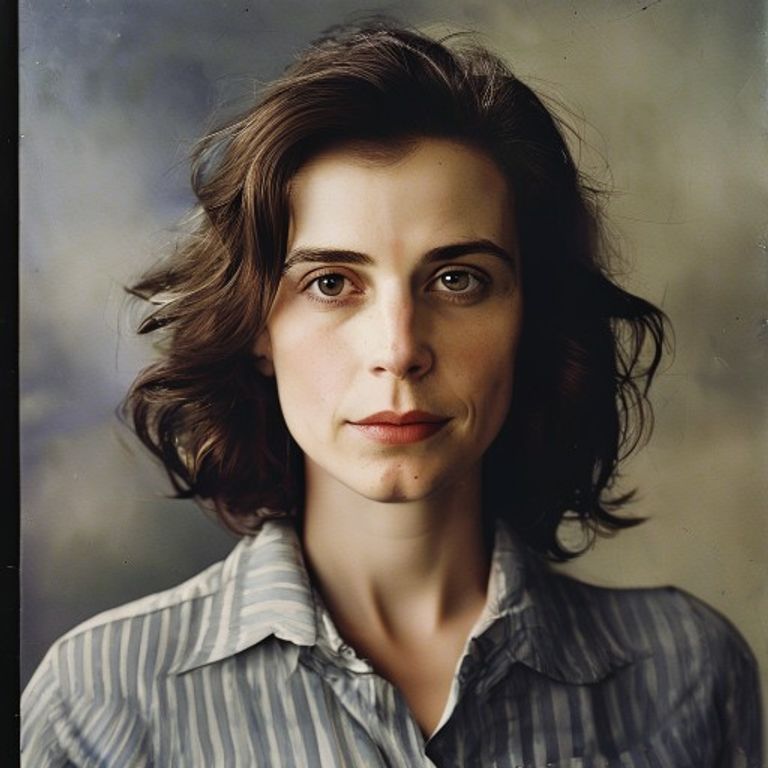
Directed by the visionary William Dieterle and starring the chameleonic Paul Muni, The Life of Emile Zola (1937) is one of the masterpieces of Hollywood's Golden Age. Blending biographical drama and courtroom cinema, the film not only solidified the Warner Bros. prestige biopic formula but also became a political and cultural landmark by portraying the famous French writer's fight against state injustice in the historic "Dreyfus Affair," winning three Academy Awards, including Best Picture.
Analysis and Plot
To understand the impact of The Life of Emile Zola, one must place it within the context of its production. Released in 1937 by Warner Bros., a studio that had built its reputation in the 1930s with gangster films and realistic social dramas, the feature represented the pinnacle of a subgenre the studio refined: the "prestige biopic." Under the direction of William Dieterle, a German-born director deeply influenced by expressionism, the film transcends mere hagiography to become a manifesto on the role of the intellectual in civil society and the fragility of justice in the face of blind nationalism.
The Rise of a Provocateur: From Paris to Acclaim
The screenplay by Norman Reilly Raine, Heinz Herald, and Geza Herczeg divides the narrative into two perfectly structured parts. The first half functions as a chronicle of the youth of Émile Zola (played with theatrical intensity by Paul Muni) in mid-19th-century Paris. Sharing a freezing attic with his close friend, the post-impressionist painter Paul Cézanne (Vladimir Sokoloff), Zola is introduced as a hungry, young idealist, deeply troubled by human misery and the hypocrisy of the ruling classes.
His turning point occurs when he decides to document the lives of the prostitutes and marginalized people of Paris. The publication of Nana (1880) shocks bourgeois society and government censors, but transforms him into a literary and financial phenomenon. As the years pass, Zola accumulates wealth, prestige, and a seat in the coveted French Academy. He becomes what he feared most in his youth: a comfortable, complacent man, reluctant to disturb the peace of his old age.
This complacency is brilliantly confronted in one of the film's most melancholic scenes, when Cézanne visits him one last time. The painter, who remained faithful to his uncompromising art without commercial concessions, bids farewell to Zola by pointing out that the writer has become "rich, fat, and official," suggesting that the sacred fire of his rebellion had been extinguished under the expensive carpets of his mansion.
It is this bourgeois calm that sets the stage for the storm of the second half of the film: the infamous Dreyfus Affair.
The Dreyfus Affair and the Birth of Modern Activism
Zola's calm is shattered when Lucie Dreyfus (Gale Sondergaard), wife of French army captain Alfred Dreyfus (Joseph Schildkraut), knocks on his door. Dreyfus, a Jewish officer, was falsely accused of high treason, sentenced to life imprisonment on the degrading Devil's Island for espionage in favor of the German Empire, while the true culprit, Major Esterhazy, is covered up by the military high command to protect the army's "prestige."
Initially reluctant to get involved in a national security matter that could destroy his reputation, Zola is confronted with irrefutable evidence of the military conspiracy. Driven by a sense of moral duty that outweighs his desire for self-preservation, the writer decides to act. He writes and publishes in the newspaper L'Aurore his masterpiece of investigative journalism: the open letter titled "J'accuse...!" ("I Accuse...!"), addressed to the President of France.
From this point on, the film transforms into an electrifying courtroom drama. Zola is sued for libel by the armed forces. The subsequent trial is a Kafkaesque farce: the judge systematically blocks any attempt by the defense to present evidence regarding Dreyfus's innocence, limiting the debate strictly to Zola's printed words. In the courtroom climax, Paul Muni delivers a monumental monologue of nearly seven minutes, defending not only himself but historical truth, justice, and the future of France itself.
"The truth is on the march and nothing can stop it!"
Despite his eloquent appeal, the jury, intimidated by nationalist mobs inflamed outside the courtroom and pressured by the generals, finds Zola guilty. To avoid prison and continue his literary fight, Zola flees into voluntary exile in England.
The Climax and Conclusion: Meanings and Subtext
Exile in England is a period of rigorous isolation, where Zola continues to write relentless pamphlets against the French military leadership. Eventually, the weight of the truth becomes unsustainable for the French government. Major Henry, one of the main forgers of the evidence against Dreyfus, commits suicide after his fraud is discovered, and Major Esterhazy flees the country.
Zola returns triumphantly to Paris. Dreyfus's conviction is overturned, and he is reinstated into the army with full military honors. However, personal tragedy awaits the writer on the eve of Dreyfus's official rehabilitation ceremony. That night, due to a faulty coal heater (clogged chimney), Zola dies of carbon monoxide asphyxiation in his bedroom at age 62.
Hidden Meanings and Final Symbolism:
Although the film presents Zola's death as a tragic domestic accident, historians and literary analysts have long debated the possibility of murder, given the fury of far-right nationalist and antisemitic factions against the author. Director Dieterle chooses to focus the narrative not on conspiratorial suspicion, but on the tragic irony of mortality: the man who defeated the most powerful army in Europe with his pen is silenced by a mundane household element.
The film's closing occurs at the Panthéon in Paris, where Zola is honored. Alfred Dreyfus, now an official hero, attends the ceremony. The writer Anatole France speaks before the nation, uttering the famous words that define the author's legacy: "He was a moment in the conscience of humanity." The final shot, showing Zola's coffin surrounded by the honor guard and the French people, symbolizes the immortality of truth over the power of the State. The film makes it clear that although Zola's body perished, his voice established the archetype of the modern engaged intellectual — one who uses their cultural privilege to give a voice to the oppressed.
Cast and Notable Performances
- Paul Muni (Émile Zola): Known for his meticulous method of acting (which involved months of historical research and hours in the makeup chair to achieve an exact physical resemblance), Muni delivers a theatrical yet deeply magnetic performance. He captures Zola's transition from an impetuous young man to a weary elder and, finally, to a resurrected moral giant. His delivery in the courtroom monologue is considered one of the high points of acting in 1930s Hollywood.
- Joseph Schildkraut (Alfred Dreyfus): In a performance of incredible physical restraint and repressed pain, Schildkraut steals every scene he is in. His transformation from a proud, rigid military man to a man broken physically and psychologically by the tortures on Devil's Island earned him a well-deserved Academy Award for Best Supporting Actor.
- Gale Sondergaard (Lucie Dreyfus): Sondergaard embodies dignity and silent resilience. Her entry into Zola's house to plead for justice is one of the most emotionally charged moments of the film, serving as the story's moral catalyst.
- Vladimir Sokoloff (Paul Cézanne): Although his participation is brief, Sokoloff's dynamic with Muni serves as the film's philosophical anchor. The farewell scene between the two perfectly summarizes the artist's eternal conflict between commercial success and creative integrity.
Behind the Scenes, Censorship, and the Great Controversy
Although The Life of Emile Zola is celebrated as a film of political courage, it carries with it one of the greatest and most shameful contradictions in Hollywood history: the deliberate silencing of antisemitism.
Warner Bros.' Cowardice in the Face of the German Market
The historical Dreyfus Affair was motivated and fueled by a fierce antisemitism that divided French society at the turn of the 19th to the 20th century. However, throughout the 116-minute film, the words "Jew" or "antisemitism" are never spoken. There is only a single subtle visual reference: the word "Jew" can be seen briefly written on a folder of military documents in an insert shot, but verbally the subject is completely avoided.
This omission was not a script accident, but a calculated corporate decision. In 1937, Nazi Germany was a crucial export market for Hollywood studios. Under the leadership of internal censor Joseph Breen (head of the Production Code Administration - PCA) and due to the direct influence of the German consul in Los Angeles, Georg Gyssling, American studios were actively discouraged from producing films that criticized antisemitism or showed Jewish characters being persecuted, fearing that such films would be banned in Europe and labeled as "Jewish propaganda."
Jack Warner, although Jewish and personally hostile to the Nazi regime, yielded to commercial and censorship pressures. The studio sanitized the religious and ethnic context of Dreyfus, presenting his persecution merely as a bureaucratic military error and a generic political conspiracy of "anti-republicans." The result is a bizarre historical irony: a film that denounces a government's cowardice in covering up the truth was itself complicit in covering up the true nature of the prejudice that destroyed Alfred Dreyfus's life.
Reception, Box Office, and Legacy
Despite its political dodging behind the scenes, the film was a resounding critical and commercial success upon its release. For the 1937 audience, watching the rise of fascism and totalitarianism in Europe with growing anxiety, Zola's message about the need to combat state authoritarianism resonated deeply.
Awards and Academic Recognition
The film was nominated for 10 Academy Awards at the 10th Oscars ceremony, taking home three of the most important statuettes:
| Category | Nominee | Result |
|---|---|---|
| Best Picture | Warner Bros. (Henry Blanke, producer) | Won |
| Best Supporting Actor | Joseph Schildkraut | Won |
| Best Screenplay | Heinz Herald, Geza Herczeg, and Norman Reilly Raine | Won |
| Best Actor | Paul Muni | Nominated |
| Best Director | William Dieterle | Nominated |
The Best Picture win solidified Warner Bros.' prestige, showing that the studio of "low-budget films" could produce cinema of high artistic and intellectual class. Critic Frank S. Nugent of The New York Times declared at the time that the film was "a historical masterpiece, rich, dignified, and entirely honest in its dramatic essence," praising Paul Muni's performance as one of the greatest ever recorded in talking cinema.
Lasting Cultural Impact
Today, The Life of Emile Zola remains a fascinating object of study. While its formal structure and Paul Muni's acting style may seem overly theatrical by contemporary standards of naturalistic cinema, the strength of its screenplay and William Dieterle's expressionist direction keep its relevance intact.
The film is an imperishable testament to the importance of a free press and civil courage. At the same time, it serves as an essential historical lesson on how economic censorship and political fear in Hollywood shaped (and continue to shape) the historical narratives we consume. By celebrating Zola's courage, the contemporary cinephile must also learn to read between the lines of what cinema chose to silence.
Sources Researched
- https://www.afi.com/catalog/ (American Film Institute Catalog of Feature Films)
- https://www.imdb.com/title/tt0029146/ (Internet Movie Database - Production Notes & Trivia)
- https://www.nytimes.com/1937/08/12/archives/the-screen-warners-present-a-brilliant-biography-of-emile-zola-at.html (Historical review by Frank S. Nugent - The New York Times)
- https://www.tcm.com/tcmdb/title/81232/the-life-of-emile-zola/ (Turner Classic Movies - Articles & Behind the Scenes)
- https://www.rottentomatoes.com/m/life_of_emile_zola (Rotten Tomatoes - Historical Reviews and Reception)





