



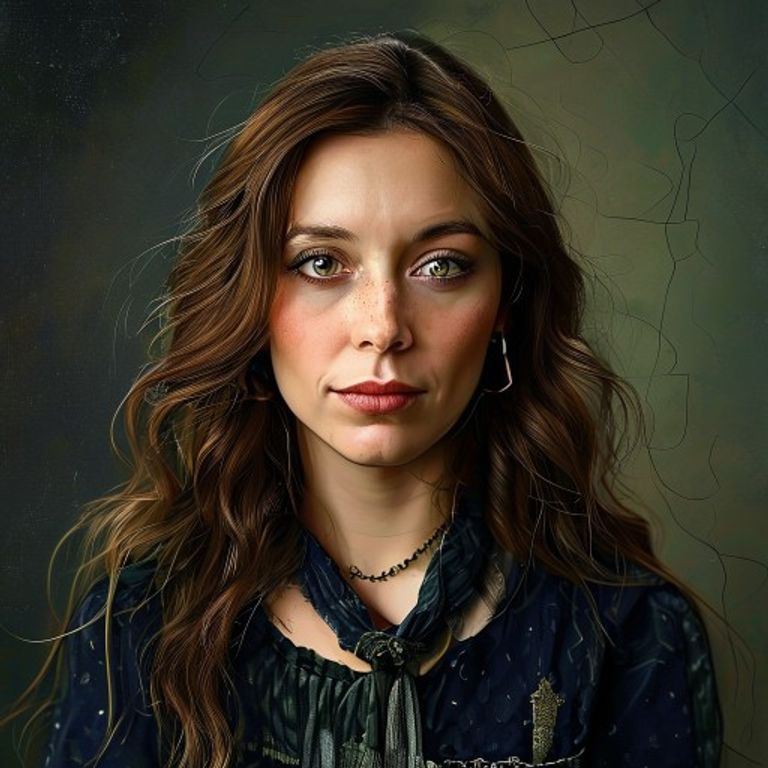
Formerly Swaziland, Eswatini is one of Africa's last absolute monarchies. Small yet diverse, the kingdom offers compact wildlife reserves where you can see rhinos up close and verdant valleys. Culture is the pillar of the nation, with spectacular festivals like the Reed Dance (Umhlanga), where thousands of young women celebrate tradition and loyalty to the king.
⚠️ Research conducted with the aid of Deep Research is subject to referential ambiguity.
🖥️Clean HTML code using a proprietary tool.
👥 Research by Guilherme Felipe, Curation by Sílvio Lôbo
The Incipient Voice of Eswatini: A Critical Analysis of Swazi Literature
Eswatini, formerly known as Swaziland, is an African nation that, despite its small geographical size, possesses a rich cultural tapestry and an emerging literary scene that deserves close attention. As a literary critic and researcher, it is fascinating to unravel the nuances of a literary production that is still in its formative stages but already shows potential for deep and reflective narratives about the identity, history, and challenges of its people.
Roots and Historical Literary Movements
Literature in Eswatini is intrinsically linked to its oral history and British colonial influences. Traditional narratives, passed down from generation to generation through tales, songs, and proverbs, form the basis of what would become written literature. During the colonial period, the introduction of the English language and alphabetic writing paved the way for new forms of expression.
However, organized and influential literary movements, such as those seen in neighboring countries, are less defined in Eswatini. Literary production tends to be more individualized, with authors exploring their themes independently. Early written works often reflected rural life, traditions, and, to a lesser extent, the impact of social and political changes resulting from colonization and independence.
Key Authors and Their Landmark Works
Identifying "key authors" in Eswatini is a challenge due to the scale of production and its international visibility. However, some names stand out for their contributions and recognition, both within and outside the country:
- D. M. Z. M. Nsibe: Considered one of the pioneers of written literature in siSwati, his works often explore the culture and traditions of the Swazi people. Although less known internationally, his work is fundamental to the preservation and dissemination of the local literary identity.
- Sipho Matsebula: His poetry and short stories address themes such as love, nature, and the realities of daily life in Eswatini. Matsebula has a style that seeks to reconcile poetic language with accessible narrative.
- Charles M. Dlamini: A prolific author who has explored various facets of Swazi society, from the complexities of family relationships to contemporary social issues. His work is a mirror of the transformations experienced by the country.
- Nikiwe Dlamini: An emerging voice that has gained prominence, particularly in narratives aimed at young audiences and in reflecting on issues of gender and empowerment.
It is important to note that many authors write in both siSwati and English, seeking to reach a wider audience without losing connection with their linguistic and cultural roots.
Important Publications and Dissemination Channels
The publication of literary works in Eswatini faces infrastructure and distribution challenges. Local publishers are few, and often the reach is limited. However, some publications have been crucial in giving visibility to authors:
- Books Published by Local Publishers: Publishers such as Pula Press and other smaller initiatives have played a vital role in publishing Swazi authors.
- Anthologies and Collections: The publication of anthologies of short stories, poems, and plays has been an important way to bring together different voices and styles, offering a broader view of literary production.
- Journals and Academic Magazines: Some universities and research institutions inside and outside Eswatini publish articles and essays on local literature, helping to create a critical corpus.
- Online Platforms and Social Networks: In the digital age, many emerging authors use blogs, personal websites, and social networks to share their work and interact with readers, bypassing some of the traditional publication and distribution barriers.
International visibility is still a goal to be fully achieved, but participation in African literary festivals and collaboration with foreign publishers are important steps in this direction.
Local Cultural Identity Reflected in Books
The cultural identity of the Swazi people is a central pillar in the literature produced in Eswatini. Books often explore:
- Traditions and Customs: Traditional ceremonies, family structure, rituals, and spiritual beliefs are recurring themes, portrayed with a sense of pride and respect for cultural heritage.
- Rural and Urban Daily Life: The duality between village life, with its agricultural and community practices, and increasing urbanization, with its challenges and social transformations, is fertile ground for narrative.
- The siSwati Language: The siSwati language itself, with its nuances, popular sayings, and unique sound, is a cultural element that authors seek to preserve and celebrate in their works, even when writing in English.
- Social and Political Issues: Although less explicitly than in other African literatures, themes such as poverty, inequality, health (including the issue of HIV/AIDS, which has profoundly affected the region), and power dynamics within society are addressed, often subtly and with a focus on individual experiences.
- The Role of the Monarchy: Eswatini's constitutional monarchy, a central institution in the country's life, can be perceived in various ways in narratives, reflecting both reverence and critical reflection on its role and influence.
In summary, literature in Eswatini, although in a stage of development, is a vibrant and essential manifestation of Swazi identity. It serves as a means to preserve history, celebrate culture, question realities, and project the future of a nation that, with its own voices, is beginning to gain its space on the global literary scene.





