



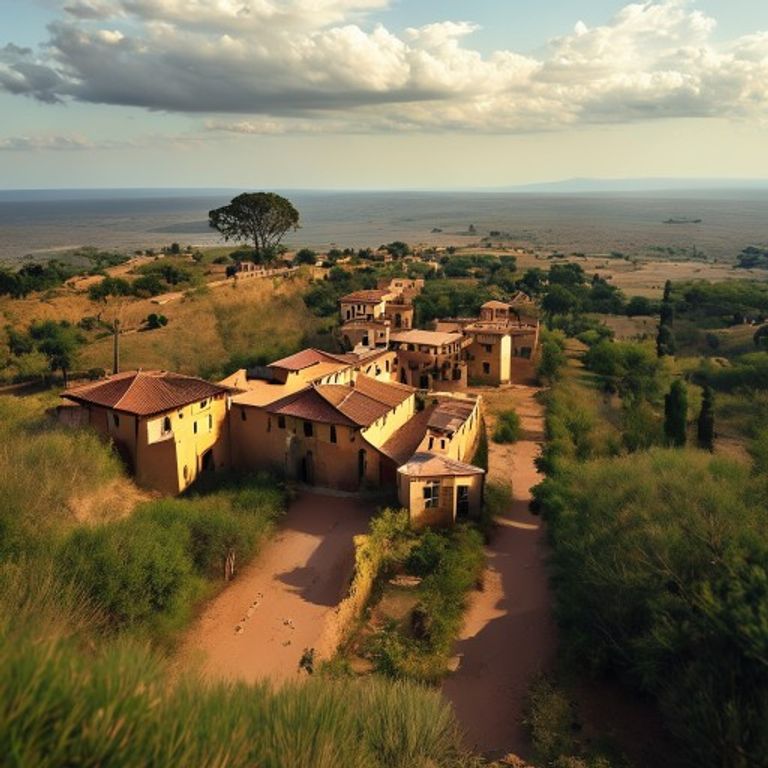
Bathed by the Red Sea, Eritrea is an isolated country with fascinating Italian colonial architecture in its capital, Asmara (a World Heritage Site). With a history marked by long wars of independence, the nation possesses an austere beauty, from the central plateau to the Dahlak islands. Its society is cohesive, although the state exercises strict control over political and social life.
⚠️ Research conducted with the aid of Deep Research is subject to referential ambiguity.
🖥️Clean HTML code using a proprietary tool.
👥 Research by Guilherme Felipe, Curation by Sílvio Lôbo
The Voice of Eritrea: A Deep Dive into Eritrean Literature
Eritrean literature, though often overshadowed by conflicts and the relentless pursuit of sovereignty, emerges as a resilient testament to the cultural identity and experiences of its people. Born from a melting pot of historical, linguistic, and political influences, Eritrea's literary production reflects the nuances of a nation forged in struggle and hope. This essay aims to explore the depths of this rich tradition, highlighting its prominent authors, historical movements, significant publications, and the intrinsic cultural identity that pulses through its pages.
Historical Roots and the Influence of Colonization
The origins of modern Eritrean literature are intrinsically linked to the colonial period, especially under Italian rule and, later, the unification with Ethiopia. Italian influence introduced the Latin alphabet and new literary genres, while the Ethiopian experience brought with it the rich literary tradition in Ge'ez and Amharic. The struggle for independence, which marked much of the 20th century, became the primary driving force for the development of a literature that sought to assert a distinct Eritrean identity. Epic poems, short stories, and novels frequently narrated the bravery of freedom fighters and denounced the injustices suffered.
Key Authors and Their Contributions
Although access to works by Eritrean authors is challenging, some names stand out for their influence and the richness of their contributions:
- Ghirmay Sium: Considered one of the pioneers of modern Eritrean literature, Sium is widely recognized for his poetry that captures the essence of daily life, the aspirations of the people, and the spirit of resistance. His work, often written in Tigrinya, resonates with national sentiment.
- Okbazghi Yohannes: A poet and activist, Yohannes is another fundamental figure. His verses address themes such as exile, the pain of loss, and the search for a home. His work is marked by deep introspection and powerful language.
- Meriam Mohammed: Although less prominent in terms of widely disseminated international publications, the contributions of female authors like Meriam Mohammed are crucial for portraying women's experiences in Eritrea, addressing themes of family, tradition, and the struggle for equality.
- Abraham Teclehaimanot: Known for his engaging prose, Teclehaimanot explores the complexities of post-independence Eritrean society, addressing the challenges of reconstruction and new social realities.
Historical Literary Movements
The literary history of Eritrea can be divided into a few distinct periods, although the dividing line is not always clear:
- Literature of Resistance (Pre-Independence): Dominated by poetry and prose that inspired and united the people in the struggle against foreign occupation. The focus was on bravery, sacrifice, and the affirmation of national identity.
- Post-Independence Literature: With the achievement of independence in 1993, literature began to explore the new realities of the country. There was a growing focus on reconstruction, the challenges of the new nation, and the pursuit of a prosperous future.
- Literature of Exile: A significant number of Eritrean writers live in the diaspora, and their literary output often reflects the experiences of exile, longing for their homeland, and the preservation of Eritrean culture abroad.
Important Publications and the Role of the Press
The dissemination of Eritrean literature has historically been a challenge due to resource limitations and political instability. However, some publications and initiatives have played a vital role:
- Local Periodicals and Newspapers: During the periods of struggle for independence, clandestine and limited-circulation newspapers and magazines were important vehicles for publishing poems, short stories, and essays, serving as tools for awareness and mobilization.
- Independent Publishers: Although small and often with limited reach, independent publishers in Eritrea and diaspora communities have been crucial in giving voice to new talents and keeping literary production active.
- Anthologies and Collections: Compiling works by various authors into anthologies has been an effective way to introduce the richness of Eritrean literature to a wider audience, both domestically and internationally.
Eritrean Cultural Identity Reflected in Literature
Eritrean cultural identity is a recurring and multifaceted theme in the nation's literature. Various elements intertwine to shape this representation:
- Ethnic and Linguistic Diversity: Eritrea is composed of nine distinct ethnic groups, each with its own traditions and languages (such as Tigrinya, Tigre, Afar, Saho, etc.). Literature often seeks to give voice to this diversity, exploring the particularities of each community and promoting coexistence.
- Resilience and Determination: Years of struggle for independence have shaped a spirit of resilience and determination in the Eritrean people. This inner strength overflows into literature, where characters often face adversity with unwavering courage and hope.
- The Role of Tradition and Modernity: Eritrean literature constantly navigates between preserving ancestral traditions and adopting new modern influences. This tension is explored in narratives that address generational conflict, adaptation to social changes, and the search for a balance between the past and the future.
- The Land and Connection with Nature: The Eritrean landscape, with its mountains, plains, and the Red Sea, plays a significant role in many literary works. The land is seen not just as a setting, but as an intrinsic part of Eritrean identity, connecting individuals to their roots and their history.
- The Experience of the Diaspora: For many Eritreans, life in exile is a reality. Literature emanating from the diaspora explores the melancholy of separation, the struggle to maintain cultural connections, and the search for a sense of belonging in foreign lands.
Challenges and the Future of Eritrean Literature
Eritrean literature faces significant challenges, including a scarcity of resources for publication and distribution, limited access to reading materials, and censorship in certain spheres. However, the creative spirit of the Eritrean people is undeniable. As Eritrea continues to evolve, it is crucial that its literary voice be increasingly heard and valued. The translation of works into other languages and support for literary initiatives are crucial steps to ensure that the rich tapestry of Eritrean literature is appreciated on a global scale, offering a profound glimpse into a resilient nation and its vibrant cultural identity.





