



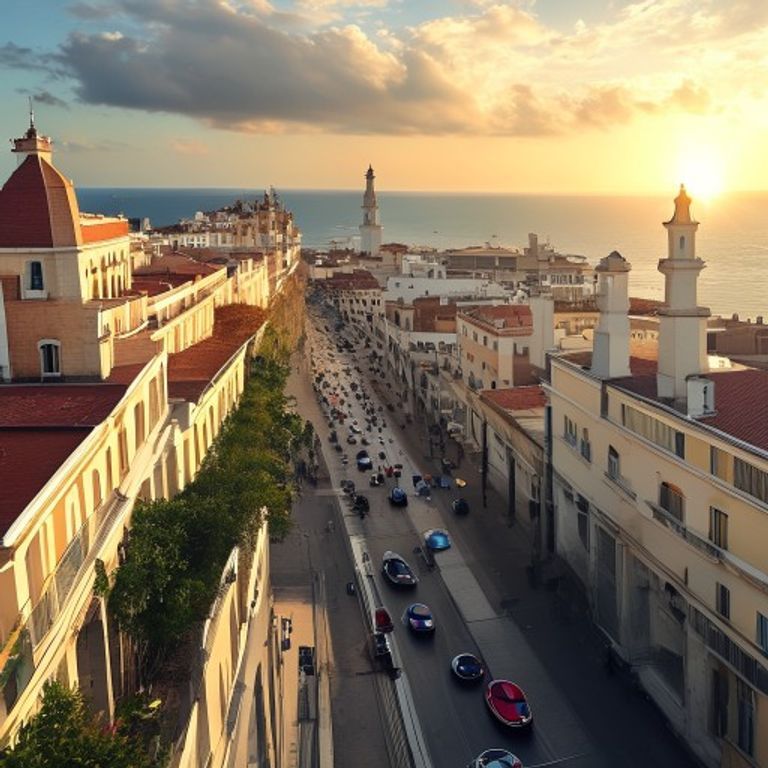
This municipality in the state of Pará is the birthplace of Amazonian modernism with Bruno de Menezes and the stage for the monumental work of Dalcídio Jurandir, who in his "Ciclo do Extremo Norte" narrated urban and riverside life.
⚠️ Research conducted with the aid of Deep Research is subject to referential ambiguity.
🖥️Clean HTML code using a proprietary tool.
👥 Research by Guilherme Felipe, Curation by Sílvio Lôbo
Belém (2): A Literary Mosaic Between the River and the Forest
Belém, the gateway to the Amazon, transcends its lush and vibrant geography to manifest as a cultural and, consequently, literary melting pot. The literary production originating from or based in this Pará metropolis is a multifaceted reflection of its unique identity, shaped by the confluence of the river, the forest, historical influences, and the diversity of its inhabitants. This essay seeks to unravel the layers of this literary richness, exploring its prominent authors, historical movements, significant publications, and how local cultural identity intertwines with the narratives.
Key Authors and Their Trajectories
The literature produced in Belém is marked by voices that have captured the essence of the city and the Amazonian region. Among the names that stand out, many have become pillars of Brazilian literature, while others are dedicated to exploring regional nuances with depth and originality.
- Helio Bezerra: One of the most important names in Pará's literature, Helio Bezerra is a short story writer and novelist whose work explores the complexities of urban life in Belém and humanity's relationship with the Amazonian nature. His texts frequently address social issues, the duality between the modern and the archaic, and human loneliness amidst natural exuberance.
- Dalcídio Jurandir: A novelist and journalist, Dalcídio Jurandir is known for his lyrical and engaging prose, which portrays Amazonian daily life, traditions, and social conflicts. His most famous work, "Chove nos Campos de Cachoeira," is a landmark in regional literature, offering a vivid panorama of riverside life and the challenges faced by local communities.
- Ruy Piram: A poet and chronicler, Ruy Piram stands out for his accessible and reflective language, which captures the soul of Belém. His chronicles, often published in local newspapers, offer an insightful look at the city's customs, landscapes, and daily life, blending humor and melancholy.
- Domingos Desidério: A short story writer and memoirist, Domingos Desidério's work is marked by memory and the evocation of past times in Belém. His writings revive characters, settings, and ways of life that help build a nostalgic and affectionate portrait of the city.
- Maria de Nazaré Macedo: A contemporary writer, Maria de Nazaré Macedo has contributed to the renewal of Pará's literary scene. Her work, which spans short stories and novels, frequently addresses themes such as ancestry, female identity in the Amazon, and the region's social transformations.
Literary Movements and Historical Publications
Although literary production in Belém has manifested in a more diffuse manner over time, it is possible to identify moments and publications that have shaped the regional literary landscape.
- Modernism and its Influences: As in other parts of Brazil, Modernism found echoes in Belém, albeit with its own characteristics. The search for a national identity and the valorization of regional roots were recurring themes. Newspaper and magazine publications of the time, though short-lived, served as vehicles for the dissemination of new ideas and poetic experiments.
- "A Província" Magazine: An important publication from the late 19th and early 20th centuries, "A Província" was a crucial space for the circulation of literary and critical ideas in Belém. The magazine hosted short stories, poems, and essays by various authors, contributing to the formation of a reading public and to literary debate at the time.
- Regional Publishers and the Strengthening of Local Production: Throughout the 20th and 21st centuries, publishers from Pará, such as Imprensa Oficial do Estado and independent publishers, have played a fundamental role in publishing and promoting local authors. The creation of publishing imprints dedicated to Amazonian literature has also been an important boost.
- Literary Contests and Anthologies: The organization of literary contests and the publication of short story and poetry anthologies have been important tools for discovering new talents and consolidating established authors, offering an overview of current literary production.
Cultural Identity: The River, the Forest, and the Pará Soul in Books
Belém's cultural identity is undeniably one of the central axes of the literary production originating from or inspired by the city. The intrinsic relationship with the Amazonian environment, the indigenous, African, and European heritage, and the unique urban life of the Pará capital are elements that permeate the narratives.
- The Amazon as a Character: The forest and the rivers are not just settings but active characters in the literary works. The exuberance of nature, its dangers, its mysteries, and its transformative power are masterfully portrayed, influencing the characters' destinies and psychology.
- Urban Daily Life and Miscegenation: Life in the streets of Belém, with its smells, sounds, and colors, is a recurring theme. Urban chronicles, in particular, capture the city's unique atmosphere, its markets, its public transport, its encounters and missed connections. The miscegenation of peoples and cultures is a common thread that manifests in the diversity of characters and complex human relationships.
- Orality and Traditional Knowledge: The influence of oral tradition, Amazonian legends, and popular knowledge is present in the language and themes addressed. The way of speaking, popular sayings, and regional beliefs are elements that lend authenticity and depth to the narratives.
- Duality and Transition: Belém, in its essence, carries a striking duality: the port city that opens to the world but maintains strong ties to tradition; the modern coexisting with the archaic; the force of nature contrasting with human intervention. This tension between the old and the new, the natural and the built, is fertile ground for literary exploration.
In summary, the literature of Belém (2) is a mirror of its multifaceted identity. Through the works of its authors, the movements that propelled it, and the publications that recorded it, it is possible to glimpse a universe rich in colors, sounds, and emotions, a literary mosaic that celebrates the strength and uniqueness of the Amazon and its people.





