



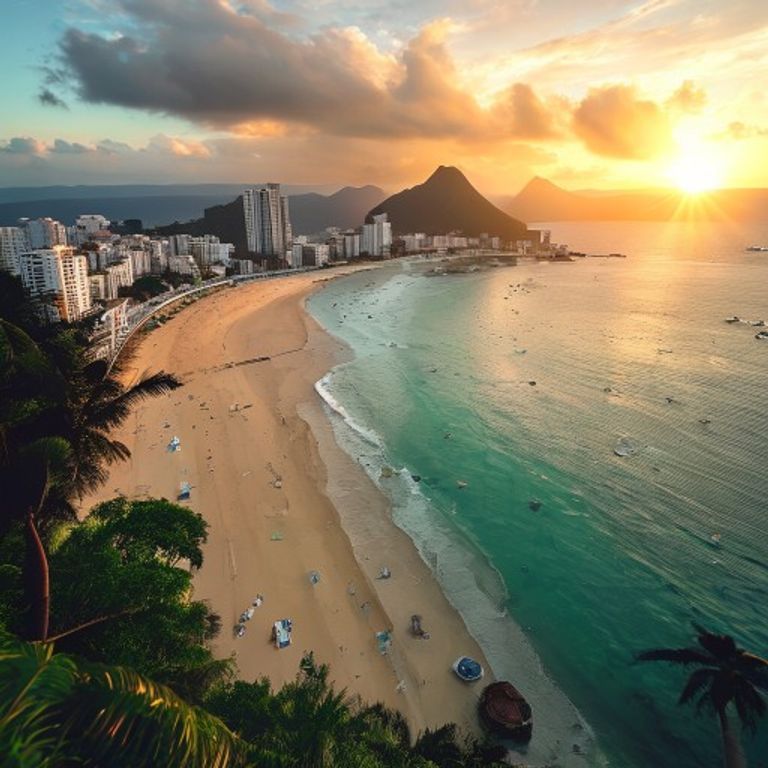
This municipality in the State of Ceará, with its preserved historical heritage, served as inspiration for chronicles and accounts describing the period of the charqueadas (dried meat production) and colonial urban life, being a reference point for the cultural memory of the eastern coast.
⚠️ Research elaborated with the aid of Deep Research is subject to referential ambiguity.
🖥️Clean HTML code using a proprietary tool.
👥 Research by Guilherme Felipe, Curation by Sílvio Lôbo
Aracati: A Literary Mosaic Shaped by the Coast and History
Aracati, a Ceará city with a rich historical legacy and striking landscapes, reveals in its literary production a faithful mirror of its cultural identity. Over time, the region has been the birthplace and home of writers who, in their works, weave narratives that celebrate, question, and immortalize the Aracati spirit. This essay delves into the literary universe of Aracati, exploring its prominent authors, the echoes of literary movements, and the vibrant relationship between written production and the soul of the city.
Names That Echo in Aracati's Literature
Aracati's literature is enriched by unique voices that, with their pens, have sculpted unforgettable pages. Among the notable authors are:
- Fco. Lucas de Barcelos: A poet and short story writer, his work often delves into the city's memories, evoking a time of traditions and the unique beauty of the Aracati coast. His writing is marked by refined sensitivity and a deep affection for his homeland.
- Adolfo Bezerra de Menezes: Although his fame transcends Aracati's borders, the "Doctor Angel" is a central figure in the city's cultural history. His vast work, focused on spiritualism, has influenced generations and become a landmark of mystical and philosophical thought in the region. His contributions, even if religious in nature, possess undeniable literary value due to the strength of his rhetoric and the dissemination of ideas.
- Lana Duarte: A poet and chronicler, Lana Duarte is a contemporary voice that captures the essence of Aracati life with a keen eye and vibrant language. Her poetry, in particular, dialogues with urban and rural landscapes, with people and their daily lives, becoming a sensitive record of the present.
- Maria da Penha Oliveira: A versatile writer, her work spans various genres, from poetry to prose. Her works explore universal themes from the perspective of someone who deeply understands the nuances of life in the Northeast, with its joys, challenges, and the resilience of its people.
Literary Movements and Trajectories
Although Aracati has not hosted major national literary movements, its production aligns with regional and national trends, adapting them to its context. The influence of Romanticism and Regionalism is notable in many authors, who seek to portray the exuberant nature, popular traditions, human types, and social issues of their land. Orality, so strong in Northeastern culture, permeates many narratives, giving them a peculiar rhythm and closeness to the reader.
More recently, Aracati's literature has kept pace with contemporary production trends, with a growing interest in experimental poetry, fictional prose exploring subjectivity, and urgent social themes. The formation of literary groups and the organization of cultural events have driven this renewal, connecting authors and readers and fostering the circulation of ideas.
Publications That Mark History
The dissemination of Aracati's literature has occurred through various platforms over time:
- Local Newspapers and Magazines: For many years, Aracati's periodicals were the main stage for the publication of poems, short stories, and chronicles by local authors. These publications, often with limited print runs, represent a valuable record of the region's initial literary production.
- Anthologies: The organization of anthologies has been an important strategy for gathering and promoting emerging and established talents. These collections offer an overview of the thematic and stylistic diversity of Aracati's literature.
- Individual Books: The publication of individual works, whether poetic, prose, or essayistic, represents the pinnacle of many writers' careers. The search for publishers, self-publishing, and support from cultural initiatives have made the materialization of these works possible.
- Digital Platforms: In the contemporary era, the internet and social media have become powerful tools for literary dissemination. Many Aracati authors use blogs, websites, and social media to share their texts and interact with the public.
Cultural Identity Reflected in Books
Aracati's literature is intrinsically linked to its cultural identity. The city, with its history tied to river trade, colonization, popular festivals, and the strength of its people, finds an echo in the pages of books.
The landscape is a recurring element: the extensive beaches, the Jaguaribe River that shapes riverside life, the dunes, and the caatinga vegetation form the backdrop where stories unfold. The language, with its accents and regionalisms, lends authenticity to the characters' speech, bringing the reader closer to the local reality. Traditions, such as religious festivals, social customs, and popular legends, are frequently revisited and reinterpreted, strengthening the sense of belonging.
Furthermore, Aracati's literature addresses the social issues that mark the region, such as inequality, the search for opportunities, and the struggle to preserve its identity in a constantly changing world. The strength and resilience of the Aracati people, their adaptability, and the beauty of their soul are themes that overflow from the pages, painting a multifaceted and captivating portrait of this rich city.
In summary, Aracati's literature is a treasure that reflects the soul of its people and the beauty of its land. It is an invitation to discover a vibrant literary universe, where history, culture, and local identity intertwine in works that deserve to be read and celebrated.





