



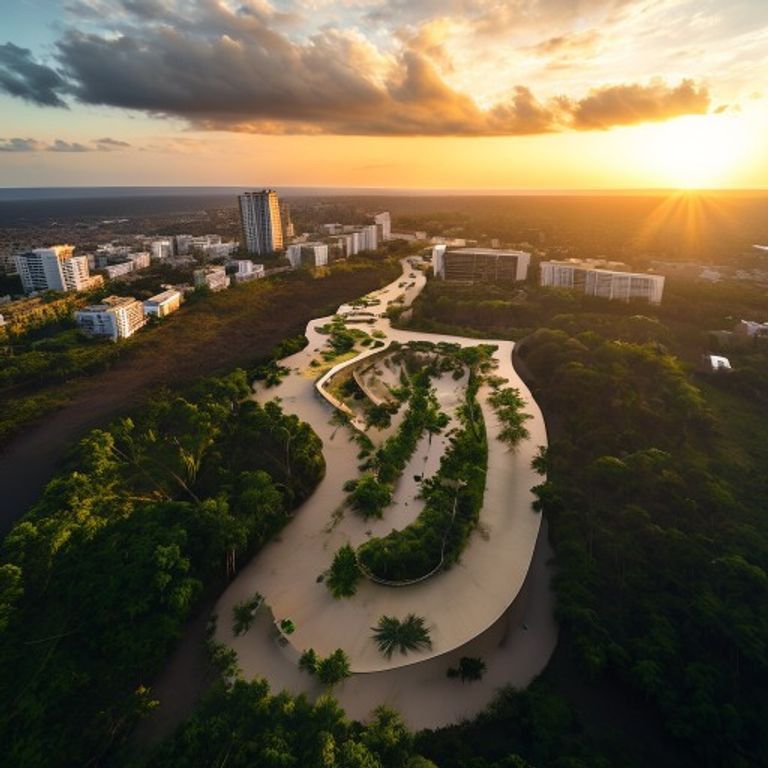
This municipality in the State of Tocantins stands out for its literature that explores the saga of the Belém-Brasília highway and the economic development of northern Tocantins, with chroniclers who record the epic of the pioneers and accelerated urbanization.
⚠️ Research elaborated with the assistance of Deep Research is subject to referential ambiguity.
🖥️Clean HTML code using proprietary tools.
👥 Research by Guilherme Felipe, Curation by Sílvio Lôbo
The Voice of the Araguaia: A Panorama of Araguaína's Literary Production
Araguaína, a city that pulses in the heart of Tocantins, holds within its lands not only the strength of the Araguaia River but also a vibrant and multifaceted literary universe. Far from being a mere geographical point, the city reveals itself as a fertile stage for artistic creation, where authors born or who have put down roots weave narratives that mirror the soul of Tocantins, its challenges, its beauties, and its constantly evolving cultural identity.
Literary production in Araguaína, although it may not boast the national projection of more consolidated literary centers, is marked by genuineness and an unparalleled ability to capture the local spirit. The strength of regionalism, the exploration of legends and folklore, the portrayal of social and environmental transformations, and the search for an authentic voice are recurring themes that define the region's literary landscape.
Main Authors and Their Contributions
The constellation of Araguaína writers, although expanding, already includes names that stand out for their relevance and impact. These authors, in their distinct works, offer a deep glimpse into the nuances of life in the Cerrado and the Bico do Papagaio region.
- Antônio Carlos Gomes (Tom Zé): Poet and composer, his poetic work often oscillates between lyricism and social criticism, addressing the city and its dynamics with sensitivity.
- Edna Pereira: A writer with a strong inclination for children's and young adult literature, her narratives often seek to value local culture and transmit important values to new generations.
- João Bosco Martins: Known for his engaging prose, Martins explores the particularities of Araguaína's daily life in his novels and short stories, often with a touch of humor and wit.
- Maria Lúcia da Silva: With a poetic work that resonates with the strength of nature and human emotions, Silva captures the essence of the Tocantins environment in her verses.
- Other Emerging Talents: Each year, new voices emerge, enriching the scene with their unique perspectives, demonstrating the vitality of local literary production.
Literary Movements and Historical Publications
Although Araguaína does not have a lineage of formally established literary movements with extensive historical branches like in other regions of Brazil, creative effervescence manifests through collective initiatives and specific publications that play a fundamental role in disseminating local culture and literary production.
The emergence of academies of letters and writers' associations has been an important catalyst for the organization and visibility of authors. These entities promote events, literary contests, and, in many cases, are responsible for editing anthologies that bring together the region's talents. Publications such as local newspapers, cultural magazines, and independent publishers, even if with irregular periodicity, have historically played a crucial role in disseminating poems, short stories, and chronicles by Araguaína authors.
It is important to note that literature in Araguaína often manifests organically, through literary gatherings, public readings, and the circulation of handmade or limited-edition books. These practices, although informal, form an important cultural circuit that nourishes the city's literary identity.
Local Cultural Identity Reflected in Books
Araguaína's cultural identity, intrinsically linked to its geography, its history of migration and development, and the mix of customs and traditions, finds a powerful echo in the literary works produced in the city. The vastness of the Cerrado, the grandeur of the Araguaia River, rural life, urban transformations, the cultural diversity inherited from different parts of the country – all of this materializes in characters, settings, and plots that paint a faithful portrait of the Tocantins soul.
Regionalism is a strong current, where local language, customs, and landscapes are central elements. The exploration of Amazonian legends and regional folklore is also frequent, lending a touch of magic and mysticism to the narratives. Literature in Araguaína thus becomes a vehicle for preserving and valuing this unique identity, while also reflecting the challenges and aspirations of a people building their future in a land of contrasts and singular beauty.
Araguaína literature, in its essence, is an invitation to unravel the multiple facets of a vibrant region, where words echo the strength of nature and the pulse of a people who express themselves through art.





