



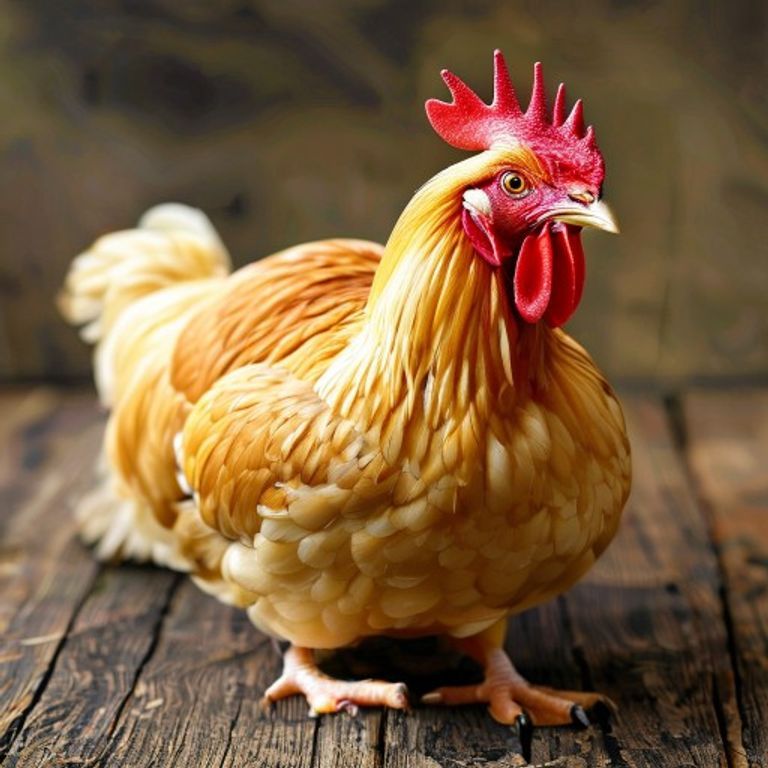
I have been raising quails for six months, and the need for good feed for egg laying has become evident. To better understand the subject, I conducted extensive research, and here is the summary:
First, it's important to note that quails should not be fed for 24 hours after birth, as during this period they are nourished by the nutrients present in the yolk sac they are born with, which is then fully absorbed.
From the 2nd day to the 45th day of life, the quail must be specially fed. The nutrition at this age will reflect throughout the animal's life. Many commercial feeds are available in the "Starter up to 28 days (04 weeks)" and "Standard for quails over 28 days" versions. This is not an issue.
A good feed should have the following ingredient proportions:
For STARTER Feed*
Corn – 57.70%
Soybean Meal – 30.50%
Wheat Meal – 8.00%
Limestone – 0.70%
Dicalcium Phosphate – 1.90%
Salt – 0.30%
Mineral and Vitamin Supplement # – 0.50%
DL-Methionine – 0.10%
Lysine – 0.30%
* The sum will be 100%.
After 45 days, the needs of both males and females change, see:
For LAYING Feed
Corn – 63.40%
Soybean Meal – 27.50%
Wheat Meal – NONE
Limestone – 5.00%
Dicalcium Phosphate – 2.70%
Salt – 0.40%
Mineral and Vitamin Supplement # – 0.50%
DL-Methionine – 0.20%
Lysine – 0.30%
*The sum will be 100%.
A good feed for quails over 26 days old should fit this table:
In example I, we have Guabi brand Feed:
| ... | Maximum | % Maximum | Minimum | % Minimum |
| Moisture | 130 g | 13% | ||
| Crude Protein | 200 g | 20% | ||
| Ether Extract | 25g | 2.5% | ||
| Crude Fiber | 60g | 6% | ||
| Mineral Matter | 160g | 16% | ||
| Calcium | 40g | 4% | 32g | 3.2% |
| Phosphorus | 5.500 mg | 0.5% | ||
| Sodium | 900mg | |||
| Vitamin A | 4,200 IU | |||
| Vitamin D3 | 1,050 IU | |||
| Vitamin E | 4 IU | |||
| Vitamin K3 | 0.9 mg | |||
| Thiamine B1 | 2 mg | |||
| Riboflavin B2 | 2 mg | |||
| Pyridoxine B6 | 0.6 mg | |||
| Vitamin B12 | 3.6 mcg | |||
| Niacin | 9 mg | |||
| Folic Acid | 0.18 mg | |||
| Calcium Pantothenate | 4 mg | |||
| Choline | 300 mg | |||
| Lysine | 11 g | |||
| Methionine | 4,000 mg | |||
| Copper | 6 mg | |||
| Iron | 30 mg | |||
| Iodine | 0.8 mg | |||
| Manganese | 65 mg | |||
| Selenium | 0.2 mg | |||
| Zinc | 50 mg |
Example II, SOMA brand:
| Folic Acid (Min.) | 0.25 mg/kg |
| Pantothenic Acid (Min.) | 6.00 mg/kg |
| Bacitracin Zinc (Min.) | 100.00 mg/kg |
| Calcium (Min.) | 10.00 g/kg |
| Calcium (Max.) | 40.00 g/kg |
| Copper (Min.) | 8.00 mg/kg |
| Choline (Min.) | 400.00 mg/kg |
| Ether Extract (Min.) | 25.00 g/kg |
| Iron (Min.) | 50.00 mg/kg |
| Crude Fiber (Max.) | 40.00 g/kg |
| Phosphorus (Min.) | 5,000.00 mg/kg |
| Iodine (Min.) | 0.75 mg/kg |
| Lysine (Min.) | 2,000.00 mg/kg |
| Manganese (Min.) | 75.00 mg/kg |
| Mineral Matter (Max.) | 140.00 g/kg |
| Methionine (Min.) | 1,500.00 mg/kg |
| Niacin (Min.) | 16.00 mg/kg |
| Crude Protein (Min.) | 190.00 g/kg |
| Selenium (Min.) | 0.25 mg/kg |
| Moisture (Max.) | 120.00 g/kg |
| Vitamin A (Min.) | 7,200.00 IU/kg |
| Vitamin B1 (Min.) | 1.00 mg/kg |
| Vitamin B2 (Min.) | 3.00 mg/kg |
| Vitamin B6 (Min.) | 1.50 mg/kg |
| Vitamin B12 (Min.) | 7.00 mcg/kg |
| Vitamin D3 (Min.) | 1,600.00 IU/kg |
| Vitamin E (Min.) | 50.00 IU/kg |
| Vitamin K3 (Min.) | 1.00 mg/kg |
| Zinc (Min.) | 50.00 mg/kg |
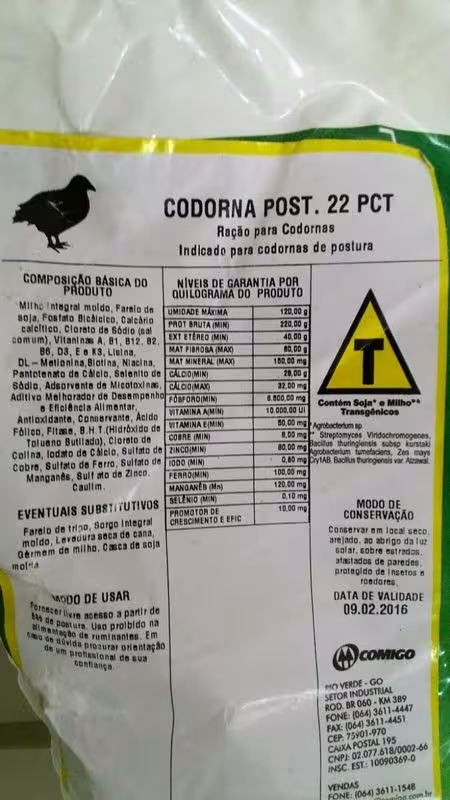
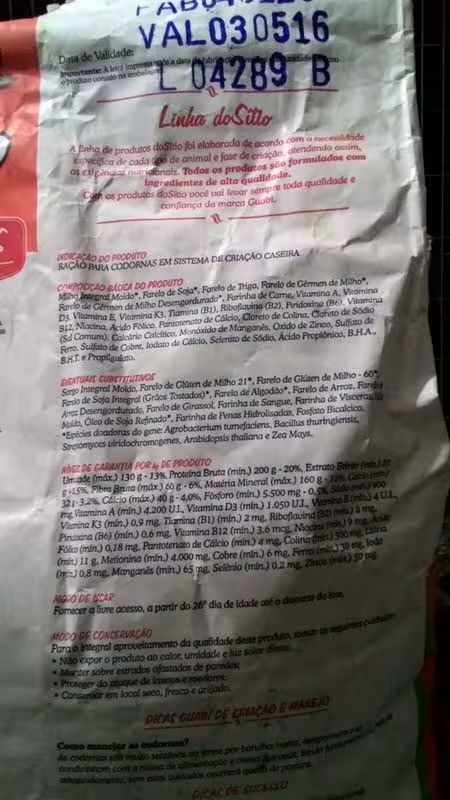
See some instructions on commercial product packaging.
I. Comigo Feed, sold for R$ 11.00, on 01/22/2016.
II. Do Sítio Line, sold for R$ 12.00, on 01/22/2016.
In the Wild
It's always good to remember that the Quail sold in Brazil, called Japanese Quail, was obtained through species crossbreeding.
Researched references:
1.How to Feed Quails, http://www.ruralnews.com.br/visualiza.php?id=431
2. How to make quail feed, http://codorna.org/dicas/como-fazer-racao-para-codorna
3.
.
I have been raising quails for six months, and the need for good feed for egg laying has become evident. To better understand the subject, I conducted extensive research, and here is the summary:
First, it's important to note that quails should not be fed for 24 hours after birth, as during this period they are nourished by the nutrients present in the yolk sac they are born with, which is then fully absorbed.
From the 2nd day to the 45th day of life, the quail must be specially fed. The nutrition at this age will reflect throughout the animal's life. Many commercial feeds are available in the "Starter up to 28 days (04 weeks)" and "Standard for quails over 28 days" versions. This is not an issue.
A good feed should have the following ingredient proportions:
For STARTER Feed*
Corn – 57.70%
Soybean Meal – 30.50%
Wheat Meal – 8.00%
Limestone – 0.70%
Dicalcium Phosphate – 1.90%
Salt – 0.30%
Mineral and Vitamin Supplement # – 0.50%
DL-Methionine – 0.10%
Lysine – 0.30%
* The sum will be 100%.
After 45 days, the needs of both males and females change, see:
For LAYING Feed
Corn – 63.40%
Soybean Meal – 27.50%
Wheat Meal – NONE
Limestone – 5.00%
Dicalcium Phosphate – 2.70%
Salt – 0.40%
Mineral and Vitamin Supplement # – 0.50%
DL-Methionine – 0.20%
Lysine – 0.30%
*The sum will be 100%.
A good feed for quails over 26 days old should fit this table:
In example I, we have Guabi brand Feed:
| ... | Maximum | % Maximum | Minimum | % Minimum |
| Moisture | 130 g | 13% | ||
| Crude Protein | 200 g | 20% | ||
| Ether Extract | 25g | 2.5% | ||
| Crude Fiber | 60g | 6% | ||
| Mineral Matter | 160g | 16% | ||
| Calcium | 40g | 4% | 32g | 3.2% |
| Phosphorus | 5,500 mg | 0.5% | ||
| Sodium | 900mg | |||
| Vitamin A | 4,200 IU | |||
| Vitamin D3 | 1,050 IU | |||
| Vitamin E | 4 IU | |||
| Vitamin K3 | 0.9 mg | |||
| Thiamine B1 | 2 mg | |||
| Riboflavin B2 | 2 mg | |||
| Pyridoxine B6 | 0.6 mg | |||
| Vitamin B12 | 3.6 mcg | |||
| Niacin | 9 mg | |||
| Folic Acid | 0.18 mg | |||
| Calcium Pantothenate | 4 mg | |||
| Choline | 300 mg | |||
| Lysine | 11 g | |||
| Methionine | 4,000 mg | |||
| Copper | 6 mg | |||
| Iron | 30 mg | |||
| Iodine | 0.8 mg | |||
| Manganese | 65 mg | |||
| Selenium | 0.2 mg | |||
| Zinc | 50 mg |
Example II, SOMA brand:
| Folic Acid (Min.) | 0.25 mg/kg |
| Pantothenic Acid (Min.) | 6.00 mg/kg |
| Bacitracin Zinc (Min.) | 100.00 mg/kg |
| Calcium (Min.) | 10.00 g/kg |
| Calcium (Max.) | 40.00 g/kg |
| Copper (Min.) | 8.00 mg/kg |
| Choline (Min.) | 400.00 mg/kg |
| Ether Extract (Min.) | 25.00 g/kg |
| Iron (Min.) | 50.00 mg/kg |
| Crude Fiber (Max.) | 40.00 g/kg |
| Phosphorus (Min.) | 5,000.00 mg/kg |
| Iodine (Min.) | 0.75 mg/kg |
| Lysine (Min.) | 2,000.00 mg/kg |
| Manganese (Min.) | 75.00 mg/kg |
| Mineral Matter (Max.) | 140.00 g/kg |
| Methionine (Min.) | 1,500.00 mg/kg |
| Niacin (Min.) | 16.00 mg/kg |
| Crude Protein (Min.) | 190.00 g/kg |
| Selenium (Min.) | 0.25 mg/kg |
| Moisture (Max.) | 120.00 g/kg |
| Vitamin A (Min.) | 7,200.00 IU/kg |
| Vitamin B1 (Min.) | 1.00 mg/kg |
| Vitamin B2 (Min.) | 3.00 mg/kg |
| Vitamin B6 (Min.) | 1.50 mg/kg |
| Vitamin B12 (Min.) | 7.00 mcg/kg |
| Vitamin D3 (Min.) | 1,600.00 IU/kg |
| Vitamin E (Min.) | 50.00 IU/kg |
| Vitamin K3 (Min.) | 1.00 mg/kg |
| Zinc (Min.) | 50.00 mg/kg |
See some instructions on commercial product packaging.
I. Comigo Feed, sold for R$ 11.00, on 01/22/2016.
II. Do Sítio Line, sold for R$ 12.00, on 01/22/2016.
In the Wild
It's always good to remember that the Quail sold in Brazil, called Japanese Quail, was obtained through species crossbreeding.
Researched references:
1.How to Feed Quails, http://www.ruralnews.com.br/visualiza.php?id=431
2. How to make quail feed, http://codorna.org/dicas/como-fazer-racao-para-codorna
3.
.





