



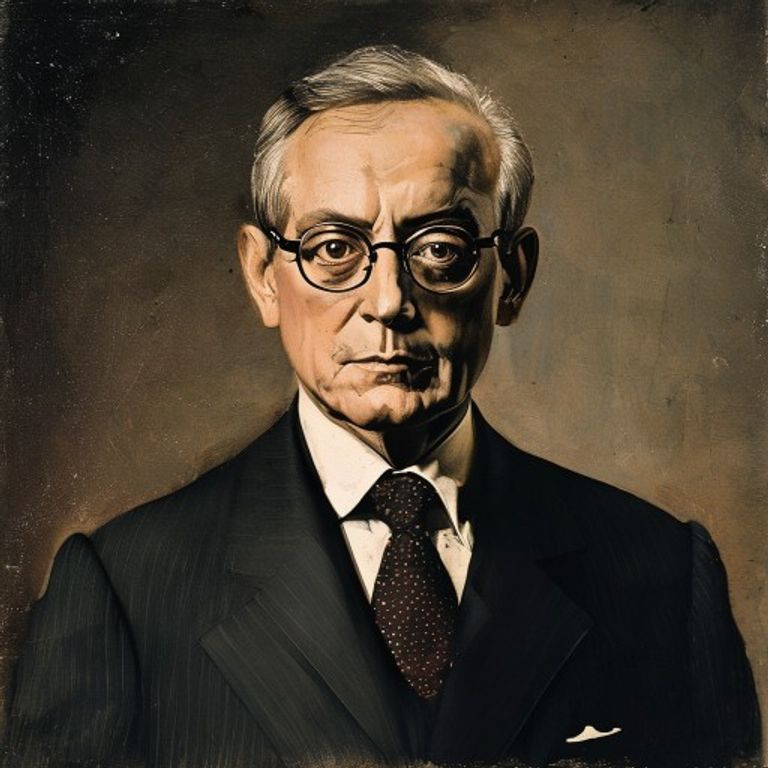
The 1922 death of the silent film director that exposed Hollywood scandals and involved stars of the era, remaining one of the industry's most enigmatic crimes.
⚠️ Research conducted with the aid of Deep Research is subject to referential ambiguity.
🖥️ Clean HTML code using a proprietary tool.
👥 Research by Guilherme Felipe, Curation by Sílvio Lôbo
The William Desmond Taylor Murder Case: The Shadow That Haunted Hollywood
In a time when the magic of cinema was beginning to captivate the world, Hollywood was a melting pot of dreams, scandals, and secrets. At the epicenter of one of the industry's most enduring and infamous mysteries, we find the unsolved murder of William Desmond Taylor, a respected film director and a central figure in the silent film era. More than a century later, the echoes of his murder continue to resonate, fueling theories and unveiling the intrigues of a golden age marked by shadows.
The Context and the Incident: The Twilight of a Film Star
The tragedy unfolded in the early hours of February 2, 1922. William Desmond Taylor, then 49 years old, was found dead in his modest bungalow at 1437 Orange Drive, in Los Angeles, California. The crime scene, discovered by his housekeeper, Mrs. Mollie De Vries, was shocking: Taylor lay in his bedroom with a single gunshot wound to the chest, fired from a .38 caliber revolver.
Taylor was a beloved and respected figure in Hollywood. A successful director for Paramount Pictures, he was known for his gentle demeanor and for being a mentor to young actors and actresses. His death, far from being a common crime, quickly became an event of seismic proportions, plunging the burgeoning film industry into unprecedented public scrutiny.
Timeline of Key Events
- Night of February 1, 1922: Taylor spends the evening at his home, supposedly working on scripts. Reports indicate he received a late-night phone call.
- Morning of February 2, 1922: The housekeeper, Mrs. Mollie De Vries, arrives for work and finds the body of William Desmond Taylor in his bedroom.
- February 2, 1922: The police are called. The crime scene is cordoned off and the initial investigation begins. A .38 caliber revolver is found near the body.
- February 3, 1922: The coroner, Dr. Walter B. Canfield, declares the cause of death as internal hemorrhage and shock due to a gunshot wound. The autopsy reveals that the weapon found at the scene was not the murder weapon.
- Following week: The official investigation intensifies, focusing on possible motives and suspects. Several names begin to emerge, many linked to Taylor's past and relationships.
- March 1922: The investigation, despite being extensive, fails to point to a definitive culprit. The police declare the case "challenging."
- Subsequent years: The case remains unsolved, with speculations and new theories emerging periodically.
The Main Theories: A Mosaic of Suspicions
The absence of a clear culprit and the complex nature of William Desmond Taylor's life gave rise to a myriad of theories, ranging from plausible explanations to scenarios worthy of a mystery film.
Police and Scientific Theories (Based on Evidence and Hypotheses of the Time)
- The Vengeful Young Man: An early theory, and one of the most persistent, pointed to Edmund Lowe, a young man known for his bad temper who allegedly had a disagreement with Taylor. It is believed that Lowe possessed a weapon similar to the one used in the crime and that Taylor had publicly reprimanded him. The lack of concrete evidence, however, kept this theory in the realm of speculation.
- The Unknown Man: The possibility of an unknown intruder, motivated by robbery or an unknown personal grudge, was also considered. The lack of signs of forced entry into Taylor's home, however, weakened this line of investigation.
- The Personal Conflict: Taylor's social life was busy, with rumors of involvement with various actresses, some of them married. The theory suggests that the murder could have been the result of possessive jealousy or a blackmailer.
Alternative and Conspiracy Theories
- The Secret of Taylor's Identity: One of the most intriguing and frequently mentioned theories suggests that William Desmond Taylor was not who he claimed to be. Subsequent reports and investigations indicate that his birth name might have been William Cunningham, a man with a turbulent past, including a possible flight from a previous marriage and involvement in criminal activities. This theory suggests that someone from his past, or someone who discovered his secret, could have murdered him to silence him or for revenge.
- The Mafia or Gangster Connection: Given Hollywood's nature as a center of power and money, the possibility of involvement by criminal elements cannot be ruled out. The theory proposes that Taylor could have been involved in debts or shady business dealings that put him in the crosshairs of criminal organizations.
- The Jealous or Vengeful Actress: Several names of actresses were mentioned over the years, most notably Mary Miles Minter. There are rumors that Minter, who had a relationship with Taylor, might have felt betrayed or acted in a fit of jealousy. Other actresses, such as Gloria Swanson, were also the target of speculation, albeit without concrete evidence.
Paranormal Theories (Less Substantiated)
Although the official investigation focused on earthly motives, the aura of mystery surrounding the case allowed more esoteric theories to gain ground in informal conversations, even if devoid of any factual or scientific basis.
Controversies and Blind Spots: The Cracks in the Investigation
The investigation into the murder of William Desmond Taylor was marked by inconsistencies and alleged lapses that contributed to its unresolved nature.
- The Murder Weapon: The discovery of a .38 caliber revolver at the crime scene, which was later examined and concluded not to be the weapon that fired the fatal bullet, raised questions about the integrity of the scene. Where was the original weapon? Was it removed?
- Lost or Ignored Evidence: Reports suggest that some important evidence may have been lost or not properly examined. The lack of modern forensic collection at the time also represents a significant obstacle.
- Conflicting Testimonies: Several testimonies from witnesses and people close to Taylor presented inconsistencies, making it difficult to build a cohesive narrative about the events that led to his death.
- Media and Industry Pressure: The immense media attention and the pressure from the film industry to quickly solve the case may have led to rushed investigations and misguided focuses.
- The Silence of Some: Several individuals close to Taylor maintained a notorious silence about the details of their lives and relationships, possibly out of fear or to protect reputations.
Curiosities and Legacy: The Eternal Shadow of a Mystery
The William Desmond Taylor case transcended police headlines to become an indelible chapter in Hollywood history and popular culture.
- The "Black Hollywood" Scandal: Taylor's murder exposed the darker facets of the silent film era, rife with sexual scandals, drugs, and corruption, leading to a clamor for greater morality in the industry, which culminated in the creation of the Hays Code.
- The Inspiration for Stories: The Taylor mystery inspired countless books, documentaries, and even films, fueling the public's fascination with this enigma.
- Never Officially Resolved: Despite several "confessions" and new leads over the decades, the case remains officially unsolved. The Los Angeles police, at different times, considered and archived the case, without ever reaching a definitive conclusion.
- The "Hollywood Babylon" Investigation: The legendary journalist Kenneth Anger, in his book "Hollywood Babylon," dedicated a chapter to the case, presenting controversial theories and detailing the scandals of the era, which, although sensationalist, helped perpetuate the mystery.
The ghost of William Desmond Taylor still haunts the corridors of Hollywood history. His murder remains a grim reminder that, behind the glamour and the bright lights of cinema, there were deep and sometimes deadly secrets. The search for answers, whether police, historical, or purely speculative, continues, keeping alive the flame of one of the most intriguing mysteries of the 20th century.





