



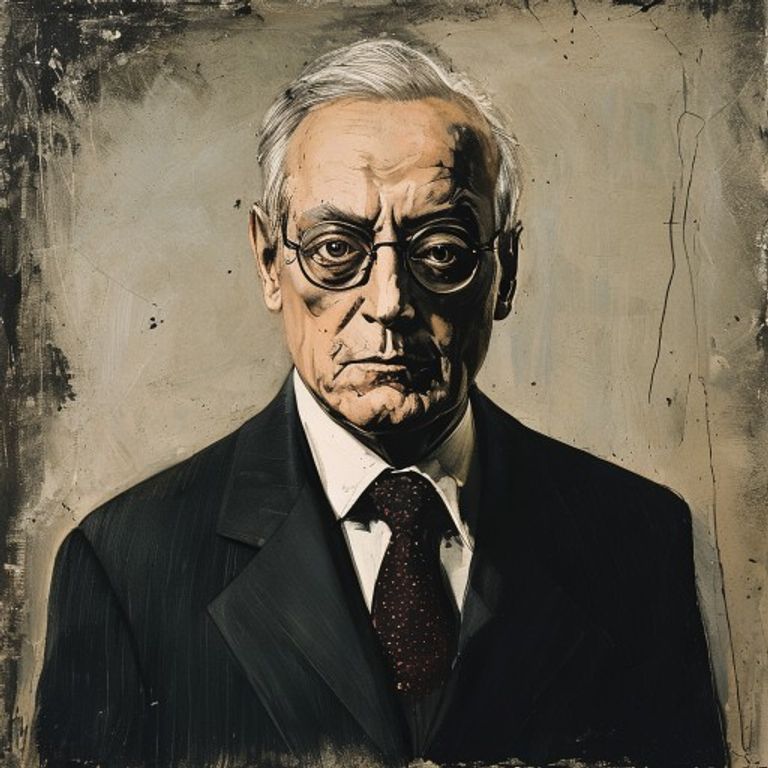
The bully of a small Missouri town who was shot in broad daylight in 1981 in front of dozens of witnesses, yet no one ever admitted to seeing who pulled the trigger.
⚠️ Research conducted with the aid of Deep Research is subject to referential ambiguity.
🖥️ Clean HTML code using a proprietary tool.
👥 Research by Guilherme Felipe, Curation by Sílvio Lôbo
The Silence of the Forest and the Cry No One Heard: The Unsolved Case of the Murder of Ken McElroy
Deep within small American towns, where secrets can take root as firmly as century-old trees, lies the mystery that haunts the small town of Skidmore, Missouri (often referred to as Rock Creek in local lore). The murder of Ken McElroy, which occurred on July 10, 1981, is not just an unsolved crime, but a grim testament to the power of fear, collective frustration, and a pact of silence that, to this day, echoes like a muffled scream.
1. The Context and the Incident: Where, When, and How the Mystery Began
Ken McElroy was, to say the least, a hated figure in the community. His reputation was marked by a history of violence, threats, rape, and harassment. He was a constant presence of fear and intimidation for the residents, who felt powerless in the face of his actions and the apparent inertia of the authorities. The small, predominantly agrarian community lived under the shadow of his tyranny. The tension, fueled by years of abuse and lack of justice, reached its peak on the night of July 10, 1981.
On that fateful night, McElroy, intoxicated, invaded the home of a neighbor, Bo Bowery. Aggressive and armed with a shotgun, he threatened Bowery and his wife. The situation escalated, and Bo Bowery, fearing for his life and that of his wife, fired a fatal shot at McElroy, acting in self-defense. News of the shooting spread like wildfire through the small town. At first, it seemed to be the end of a nightmare. However, what followed was an enigma that defied logic and justice.
2. Timeline of Events
- Years Prior to 1981: Ken McElroy accumulates an extensive criminal record, including violence, threats, and accusations of rape and harassment in the area. The community's fear and frustration toward him grow.
- July 10, 1981 (Night): Ken McElroy invades the residence of Bo Bowery, threatening him and his wife. Bo Bowery shoots McElroy in self-defense, resulting in the latter's death.
- July 11, 1981: The county sheriff, Earl Jones, arrives at the crime scene. The initial investigation points to self-defense.
- From July 11, 1981, Onward: The community demonstrates a remarkable and inexplicable lack of cooperation with authorities. Key witnesses refuse to speak or downplay the incident.
- Subsequent Period: Bo Bowery is initially arrested but released on bail. The lack of concrete evidence and the community's silence prevent a trial. The case is eventually shelved.
- Later Years: The case becomes an urban legend and an example of failed popular justice, fueling debates about law, morality, and social order.
3. Main Theories
The core of the mystery lies in the apparent impossibility of obtaining a conviction or even a conclusive investigation, despite the initial clarity of Bo Bowery's act. The theories surrounding the case are diverse, ranging from the pragmatic to the fantastic:
-
Consistent Self-Defense Theory (Initial Police/Judicial Hypothesis):
This is the most direct explanation initially supported by authorities. Bo Bowery acted in self-defense to protect himself and his wife from an armed and violent aggressor. The lack of a trial or conviction would be the result of a lack of evidence contradicting this version, combined with witness fear.
-
Collective Vengeance Theory (The "People's Jury"):
This is the most popular and widely accepted theory. The hypothesis suggests that the community, tired of suffering under McElroy's yoke, orchestrated a plan to eliminate him. Bo Bowery's shooting would have been just the convenient trigger for a premeditated plan. The idea is that the refusal to cooperate with the police was a pact of silence to protect whoever participated actively or passively in "solving" the McElroy problem.
The logic here lies in the vast range of crimes McElroy committed without punishment, which would have led residents to take justice into their own hands. The lack of incriminating testimony and the reluctance to provide specific details about the night in question support this view.
-
Deliberate Omission Theory (Facilitation):
This theory aligns with collective vengeance but focuses on intent. It suggests that although Bo Bowery may have fired the shot, the community, knowing McElroy's intention to invade the house or knowing of his presence in the area, deliberately failed to warn him or intervene, allowing the conflict to occur and result in his death. It would be a form of passive complicity.
-
External Manipulation Theory:
Less supported by evidence but present in speculative discussions. This theory suggests that an outside group, perhaps influenced by someone McElroy harmed in another town, could have incited or facilitated the situation so he would be eliminated. However, there is no concrete evidence to support this hypothesis.
-
Paranormal/Supernatural Theory (Urban Legend Focus):
In some folklore narratives, the case is associated with darker forces, such as a pact with the devil or the intervention of vengeful spirits. These theories, while captivating in a mystery context, lack any factual or scientific basis and belong more to the realm of urban legend and popular imagination.
4. Controversies and Blind Spots
What makes the McElroy case so intriguing are the flaws and gaps in the official investigation, which fuel alternative theories:
-
Conflicting and Vague Testimonies:
Although many witnesses were present or knew of the events leading to the shooting, their accounts were inconsistent or deliberately vague. Many limited themselves to stating they heard a gunshot but could not describe crucial details about who was involved or how the confrontation unfolded. Police reports indicate difficulties in obtaining clear testimony from people living near the Bowery residence.
-
Lack of Additional Evidence:
Despite the violent nature and McElroy's reputation, little evidence was collected beyond Bowery's weapon and McElroy's body. There are no reports of extensive searches for other weapons McElroy might have carried, nor in-depth investigations into the presence of other people in the area at that time.
-
Community Silence:
The widespread reluctance to cooperate with the police is the most glaring point. For a small community where everyone knows everyone, the lack of detailed testimony and the resistance to pointing out possible participants or accomplices is highly suspicious. Reports from Sheriff Earl Jones explicitly mention the difficulty in breaking this "wall of silence."
-
Crime Scene Preservation:
There is speculation about the effectiveness of preserving the crime scene and collecting all possible evidence, given the urgency and nature of the event.
-
Speed of Closing the Case:
Considering the gravity of the crime, the closing of the case seems to have occurred with relative speed, which can be interpreted as a consequence of the lack of investigative progress and the absence of irrefutable evidence to take to trial.
5. Curiosities and Legacy
The Ken McElroy case transcended local borders, becoming a classic example of "vigilante justice" and a symbol of the legal system's failure to protect citizens from persistent criminals. The story has inspired books, documentaries, and countless discussions about morality and law.
-
The Book "Bad Dirt" by Richard S. Wheeler:
A book that details the case, exploring small-town dynamics and the possible motivations behind the silence.
-
Documentaries and Series:
The case has been portrayed in various documentaries and television series focused on unsolved crimes and historical mysteries, keeping it alive in the public memory.
-
Moral and Ethical Debate:
The case raises profound questions about when individual or collective action becomes justified in the face of state inaction. What defines self-defense when the threat is constant and systemic?
-
Current Status:
The case remains officially closed. Bo Bowery was never formally charged with any crime related to McElroy's death, with the self-defense narrative being the official one. However, the complete truth—what really happened that night—remains veiled in mystery, a lasting testament to the power of a shared secret.
The Ken McElroy case is a grim reminder that, at times, silence can be more eloquent than any testimony, and that unsolved crimes can become legends, fueling imagination and frustration for generations without ever revealing all their secrets.





