



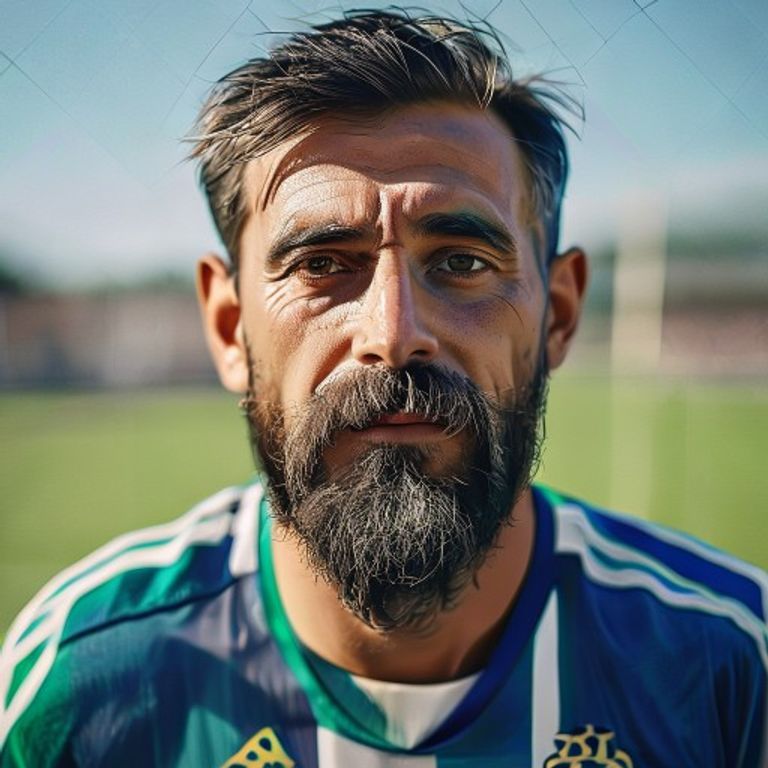
The "Imortal gaúcho" is known for its grit and tradition in elite competitions, always competitive and with one of the most revealing youth academies in Brazil.
⚠️ Research elaborated with the assistance of Deep Research is subject to referential ambiguity.
🖥️Clean HTML code using a proprietary tool.
👥 Research by Guilherme Felipe, Curation by Sílvio Lôbo
Grêmio Foot-Ball Porto Alegrense: A Tricolor Legacy in Brazilian Football History
Grêmio Foot-Ball Porto Alegrense, founded on January 10, 1903, transcends the mere definition of a football club. It is a centennial institution, forged in tradition, glories, and a passionate legion of fans that consolidate it as one of the pillars of national football. This article delves into its rich trajectory, from its modest origins to its current complex moment, recalling its golden eras, idols, rivalries, and a collection of titles that echo in its memory.
Origins and Foundation: The Dream of a German Social Circle
Grêmio's history begins with the influence of the German community in Porto Alegre. In 1902, at a party promoted by the German Consulate in the city, industrialist João Vilella proposed the creation of a football club. The idea germinated, and on January 10, 1903, on Rua da Praia, now Rua dos Andradas, a group of young men, mostly descendants of German immigrants, founded Grêmio Foot-Ball Porto Alegrense. The first board of directors consisted of Ângelo Romcy (president), Antônio Vilella (vice-president), and Bento Vilella (treasurer). The name "Grêmio" reflected the ambition to be a comprehensive social and sports circle. The first official match took place on April 6, 1903, against Internacional de Rugby, with a 1-0 victory for Grêmio. The press of the time, such as the newspaper A Federação, covered the club's early days, documenting the rise of a new force in the Rio Grande do Sul sports scene.
Golden Eras and Historic Campaigns: The Tricolor Constellation
Grêmio experienced several golden eras, marked by significant achievements and football that captivated the country. The 1980s are undoubtedly one of its most glorious periods.
The Tricolor Peak of the 80s: Libertadores and World Championship
Under the technical command of Valdir Espinosa and with a generation of stars like Renato Portaluppi, Mário Sérgio, Tarciso, Osvaldo Rolão, Douglas, and Baltazar, Grêmio won the Copa Libertadores da América in 1983. The final against Peñarol, from Uruguay, is an unforgettable milestone. The decisive match, in Porto Alegre, ended with a 2-1 victory for Grêmio, with goals from Tarciso and Osvaldo Rolão. The feat culminated in the Intercontinental Cup, in Tokyo, against Hamburger SV, from Germany. On December 11, 1983, Grêmio won 2-1, with Tarciso scoring both goals, becoming world champions. This campaign is widely documented by newspapers like Correio do Povo and by FIFA itself, which registers the title.
Dominating the National Scene: The Copa do Brasil and the Quest for a Second Title
The 1990s brought new glories, with Grêmio winning the Copa do Brasil in 1994, against Ceará, and the Copa do Brasil in 1997, overcoming Flamengo in an exciting final, with scores of 0-0 in Rio and 2-0 in Porto Alegre. Coach Luiz Felipe Scolari, known as Felipão, was the commander of these achievements. In 1995, the club reached the Copa Libertadores final again, finishing as runner-up against Independiente, from Argentina.
The New Millennium: More Titles and the Quest for Continental Glory
The beginning of the 21st century saw Grêmio win the Copa Libertadores da América in 2017, with a spectacular team led by Renato Portaluppi, who became the only person to win the tournament as both a player and a coach. The team included players like Luan, Arthur, Pedro Geromel, and Marcelo Grohe. The final against Lanús, from Argentina, with victories of 1-0 in Porto Alegre and 2-1 in Buenos Aires, entered history. The club also won the Recopa Sudamericana in 2018, against Independiente.
Current Context and Team Status: Challenges and Resilience
Currently, Grêmio faces a scenario of reconstruction and a quest for affirmation. After being relegated to Série B in 2021, the club demonstrated resilience by returning to the elite of Brazilian football in 2022. The moment is one of consolidation, with the pursuit of more consistent football and the formation of a competitive squad to compete for titles in all competitions. The board has been working on financial and sporting restructuring, aiming to restore the club to its prominent position on the national and international stage. The Arena do Grêmio stadium is a modern venue that houses the passion of its fans, who clamor for new achievements.
Main Idols and Coaches Who Marked Eras
Grêmio's gallery of idols is vast and full of stars who left their mark on the history of the club and Brazilian football. The memory of the Grêmio fan is fueled by names that transcend generations.
- Renato Portaluppi: The "King of Porto Alegre," one of the club's greatest players, scorer of the world title goal and a Libertadores-winning coach.
- Mário Sérgio: The "Maestro," one of the greatest midfielders to ever wear the tricolor jersey, fundamental in the 80s conquests.
- Tarciso: The "Captain," a leader on and off the field, a central figure in the 1983 World Championship victory.
- Hugo de Leon: Uruguayan defender, leader of the defense in the 1983 Libertadores conquest.
- Odair Hellmann: Defender and captain in important moments, a symbol of grit and identification.
- Danrlei: Charismatic and multi-champion goalkeeper, an idol in the 1990s and 2000s.
- Luan: Skillful midfielder, a key player in the 2017 Libertadores conquest.
- Arthur: Promising defensive midfielder who emerged in the 2017 Libertadores champion team, later moving to Barcelona.
- Pedro Geromel: Experienced and leading defender, fundamental to Grêmio's defense for years.
- Marcelo Grohe: Goalkeeper with spectacular saves, starter in the 2017 Libertadores conquest.
Among the coaches, besides Renato Portaluppi, notable figures include:
- Valdir Espinosa: The commander of the 1983 world title.
- Luiz Felipe Scolari (Felipão): Won the Copa do Brasil twice and coached the team in significant moments.
- Vanderlei Luxemburgo: Coached the team during successful periods in the early 2000s.
Greatest Rivalries: The Gaúcho Derby and the Fight for Hegemony
Football is made of rivalries, and in Rio Grande do Sul, they reach a level of fervent passion. Grêmio's derbies are played with soul, and their origins and historical contexts are fundamental to understanding the magnitude of this rivalry.
Grenal: The Battle of Porto Alegre
The Grenal, played against Sport Club Internacional, is one of the greatest rivalries in Brazilian football. The rivalry began in 1909, with the founding of Internacional. The two clubs, with distinct social origins, quickly became the ultimate representatives of football in the state capital. The first official match between them took place on July 18, 1909, with Grêmio winning 10-0. The Grenal is a reflection of the passion and the dispute for state hegemony, with matches that frequently decide titles and mobilize entire cities. Match reports and newspapers of the time, such as Diário Gaúcho, document the intensity and history of this epic confrontation.
The "Clássico dos Campeonatos": Grêmio vs. Juventude
Although the Grenal is the primary rivalry, the confrontation against Esporte Clube Juventude, from Caxias do Sul, also holds historical importance, being known as the "Classic of Champions" because both teams have accumulated several state titles over the decades. The dispute between the two biggest forces from the interior and the state capital intensifies in state championships and decisive phases of national competitions.
Organized List of Titles, Cups, and Notable Medals
Grêmio's collection of achievements is extensive and demonstrates its strength and tradition over more than a century of history. Below is a list of the main titles:
International Titles
- Copa Libertadores da América: 1983, 2017
- Intercontinental Cup: 1983
- Recopa Sudamericana: 2018
National Titles
- Campeonato Brasileiro Série A: 1981
- Copa do Brasil: 1994, 1997, 2016
- Supercopa do Brasil: 1990
- Campeonato Brasileiro Série B: 2022
State Titles
- Campeonato Gaúcho: 42 titles (the highest number among the state's clubs, with records of consecutive titles and in different decades, documented by records from the Rio Grande do Sul Football Federation)
Other Relevant Achievements
- Copa Sul: 1998
- Copa Sul-Minas: 2000
Grêmio's history is a testament to resilience, passion, and glory. From the dream of a group of young immigrants to a giant of South American football, the "Tricolor Gaúcho" continues to write chapters in its victorious journey, fueling its fans' hope for more achievements and reaffirming its prominent place in football history.





