



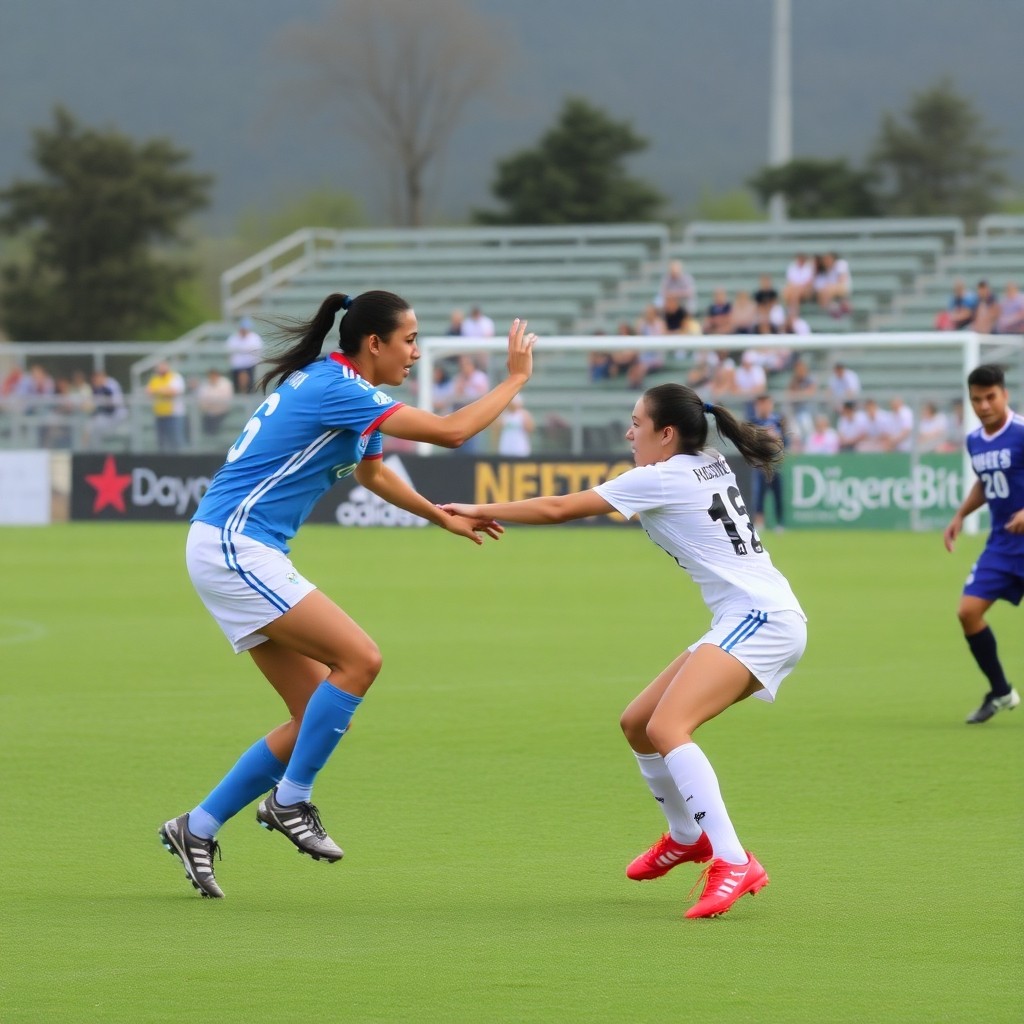
The Club Atlético Gimnasia y Esgrima de Jujuy, traditionally known as "El Lobo Jujeño," is the most decorated and iconic sports institution in the province of Jujuy, in the far north of Argentina. Currently competing in the Primera Nacional (the second division of Argentine football), the club is undergoing a period of institutional and technical restructuring, seeking to relive the golden years when it challenged the country's giants in the elite of national football, consolidating itself as a bastion of federalist resistance in interior football.
1. Origins and Foundation: The Birth of the Northern Giant
The history of Gimnasia y Esgrima de Jujuy began to take shape in the early months of 1931. At that time, the city of San Salvador de Jujuy was undergoing urban and social transformations, and sport emerged as a powerful catalyst for community identity. On March 18, 1931, a group of young enthusiasts and intellectuals from Jujeño society met with the purpose of creating an institution that would promote physical and social culture.
Initially, the association was named Club Atlético 23 de Agosto, in honor of the historic epic of the Éxodo Jujeño of 1812, led by General Manuel Belgrano. However, after internal reorganizations and the merging of interests with citizens who practiced fencing and artistic gymnastics, the institution was refounded under the name Club Atlético Gimnasia y Esgrima de Jujuy, adopting the classic model of the homonymous associations in Buenos Aires, La Plata, and Santa Fe, which combined the elegance of classic sports with the overwhelming passion of football.
The club's colors, sky blue and white arranged in vertical stripes, were directly inspired by the Argentine national flag and Belgrano's insignia, reinforcing the deep patriotic sentiment of the border province. Since its first years of affiliation with the Liga Jujeña de Fútbol, founded around the same time, Gimnasia established itself as the dominant force in the region, accumulating local titles and building a fervent fan base.
The Temple: Estadio 23 de Agosto
The "Lobo" cauldron is the Estadio 23 de Agosto, popularly nicknamed "La Tacita de Plata" (The Little Silver Cup), a poetic reference to the geographical beauty and brilliance of San Salvador de Jujuy. Inaugurated in 1973, the stadium currently has a capacity for about 23,000 spectators. The venue transcends sport: it is a monument of national historical value. The name honors the sacrifice of the people of Jujuy who, in 1812, burned their own properties and retreated before the invasion of Spanish royalist troops, allowing for the tactical victory of the Argentine independence forces.
The stadium underwent major renovations to host the 2011 Copa América, modernizing its stands, locker rooms, and lighting system, which made it one of the most respected sports venues in the Argentine interior.
---2. Golden Eras and Historic Campaigns
The national trajectory of Gimnasia y Esgrima de Jujuy is marked by periods of great prominence, in which the club not only participated but also commanded respect against the "Big Five" of Argentine football (Boca Juniors, River Plate, Racing, Independiente, and San Lorenzo).
The Era of the "Nacionales" (1970s and 1980s)
Under the aegis of the old Nacionales tournaments, created by executive Valentín Suárez to integrate the interior into the metropolitan axis, Gimnasia de Jujuy experienced its first great odysseys. The club debuted in the elite of Argentine football in 1970. However, it was in the 1975 Nacional that "El Lobo" stunned the country.
With a gritty squad, the team advanced to the final phase of the tournament, finishing in fourth place overall, the best campaign by a club from the far north of Argentina at the time. During this era, the Estadio 23 de Agosto gained a reputation as a hostile and almost impassable territory for the Buenos Aires giants. Historic teams from River Plate and Boca Juniors suffered memorable defeats under the pressure of the moderate altitude and the human warmth of San Salvador de Jujuy.
The Triumphant Return and the "Ferraro Effect" (1993-1994)
After years of transition and restructuring in regional leagues and the Primera B Nacional, the 1993/1994 season reserved the most glorious page in the club's history. Led by the iconic technical director Francisco "Pancho" Ferraro, Gimnasia carried out a devastating campaign in the second national division.
Promotion to the Primera División was achieved with the 1993/1994 Primera B Nacional title, following a historic victory against Chacarita Juniors. This squad featured legendary players such as goalkeeper Hernán Castellano, defender Héctor "Arenero" Silva, and the ruthless goalscorer Mario Humberto Lobo.
The Mario Gómez Era (2005-2009)
After a painful relegation in 2000, the club resurged under the leadership of coach Mario Gómez. In the 2004/2005 season, "El Lobo" won the Primera B Nacional Clausura Tournament and secured a return to the elite by defeating Huracán in the promotion final.
In the 2006 Clausura tournament of the Primera División, Mario Gómez's Gimnasia reached another historic milestone: it finished in 4th place, totaling 33 points, sharing the spotlight with millionaire teams and ensuring its stay in the elite division for several consecutive seasons thanks to pragmatic football and strong defensive solidity.
---3. Context and Current Moment of the Team
After relegation from the Primera División in 2009, Gimnasia y Esgrima de Jujuy entered a long and sometimes tortuous period of stay in the Primera Nacional (the second division of Argentine football). The club went through severe financial crises and internal politics that affected sporting performance, flirting in some seasons with relegation to the Torneo Federal A.
In recent years (2023-2024), the club's board, under the presidency of Walter Morales, has implemented a financial recovery and infrastructure modernization plan, including improvements to the training fields at the Papel NOA complex, located in Río Blanco.
In the current Primera Nacional season, "El Lobo" seeks to break a decade-long fast away from the elite. With a competitive payroll for the category's standards and the signing of experienced players with first-division experience, the institution's clear goal is to secure a spot in the "Reducido" tournament to fight for promotion. The coaching staff led by Matías Módolo focuses on strengthening home-field advantage at the "Tacita de Plata," seeking to re-establish the historic mystique of invincibility in Jujuy.
---4. Main Idols and Coaches Who Defined an Era
The Great Players
- Mario Humberto Lobo: The greatest goalscorer and ultimate idol in the club's history. Born in the province of Jujuy, the striker embodied the spirit of "El Lobo Jujeño" like no other. With over 140 goals in the sky-blue and white shirt, he was the hero of the 1994 promotion and a constant nightmare for opposing defenses in the Primera División.
- José Daniel Valencia: World champion with the Argentine National Team in the 1978 World Cup. Although widely identified with Talleres de Córdoba, the refined midfielder wore the Gimnasia de Jujuy shirt in two memorable stints at the end of his career, bringing international prestige and technical elegance to his home province's club.
- Hernán Castellano: Known as "El Rifle," the charismatic goalkeeper with spectacular reflexes was a key piece in the Jujeño defense during the golden years of the 1990s. His leadership and identification with the fans made him eternal.
- Daniel "Rana" Valencia: A midfielder of extreme skill who enchanted local fans with his vision of the game and pinpoint assists.
- Luis Enrique "Churri" Lobo: Another exponent of the Lobo dynasty who marked an era with his tactical commitment and decisive goals.
The Immortal Coaches
- Francisco "Pancho" Ferraro: The architect of the 1993/1994 miracle. Ferraro not only tactically organized the team but created a winning mentality that turned Gimnasia into a powerhouse of the interior. His ability to manage groups and launch local young talents is revered to this day.
- Mario Gómez: The commander of the promotions and the stabilization campaigns in the elite during the 2000s. Gómez implemented a combative and tactically disciplined style of play, being considered the most important coach in the club's modern history.
5. Major Rivalries: The Geopolitics of Northern Football
The Clásico Jujeño: Gimnasia vs. Altos Hornos Zapla
The true and most traditional classic of the province of Jujuy pits Gimnasia y Esgrima against Asociación Atlética Altos Hornos Zapla, from the neighboring industrial city of Palpalá. This rivalry, which gained strength in the 1970s and 1980s, carries a strong socioeconomic component:
- Gimnasia y Esgrima: Represents the provincial capital, San Salvador, historically associated with the administrative, commercial, and intellectual elite classes of Jujuy.
- Altos Hornos Zapla: Born under the tutelage of the massive state-owned steel mill of the same name, it represented the working class, metalworkers, and the industrial development of developmentalist Argentina.
The duels within the Liga Jujeña and the old regional tournaments would bring the province to a standstill. Although Zapla has declined institutionally in recent decades, falling to amateur regional divisions, the clash remains considered the absolute classic of Jujeño football.
The Clásico del Norte: The Battle against Salta
In the absence of frequent clashes against Altos Hornos Zapla at the national level, Gimnasia y Esgrima de Jujuy developed fierce rivalries with clubs from the neighboring province of Salta, forming the so-called Clásico del Norte. The most intense clashes occur against:
- Gimnasia y Tiro de Salta: A duel of "Gimnasias" that decides the supremacy of the Argentine north. The rivalry is fueled by a historic political, cultural, and tourist dispute between the provinces of Jujuy and Salta.
- Juventud Antoniana de Salta: Another high-tension clash, characterized by organized fan group invasions on the roads connecting the two provincial capitals and by games of extreme physical violence on the pitch.
6. Honors: Gallery of Titles and Achievements
Gimnasia y Esgrima de Jujuy boasts a rich history, dominating the local scene and recording significant achievements at the national level:
| Competition | Titles / Achievements | Years / Seasons |
|---|---|---|
| Primera B Nacional (Second National Division) | 1 (Absolute Champion) | 1993/1994 |
| Torneo Clausura - Primera B Nacional | 1 (Direct Promotion) | 2004/2005 |
| Liga Jujeña de Fútbol | 24 | 1945, 1946, 1947, 1948, 1952, 1957, 1959, 1960, 1961, 1962, 1963, 1965, 1967, 1969, 1970, 1972, 1973, 1975, 1977, 1979, 1980, 1981, 1986, 1997. |
| Copa de Andalgalá (National Friendly) | 1 | 1984 |
7. Period Curiosities and Picturesque Facts
- The "Lobo" Nickname: The nickname "Lobo" was inherited directly from its homonym in La Plata (Gimnasia y Esgrima La Plata). Local and Buenos Aires journalists began using the term in the 1970s due to the similarity in colors and name, and the fans quickly adopted the gray wolf figure as their official mascot, symbolizing cunning and pack spirit during difficult trips to the north of the country.
- Lobo Jujeño Fan Day: Celebrated annually in honor of the massive caravans of fans who crossed the country in the 90s to follow the team in historic matches played in Buenos Aires and Rosario.
- Resistance at Altitude: Although San Salvador de Jujuy is about 1,259 meters above sea level—a moderate altitude that does not cause the extreme effects of La Paz or Quito—clubs from Buenos Aires historically complained about air conditions and the dry north wind (known as Viento Norte), using this as an excuse to justify frequent stumbles at the "Tacita de Plata."
Researched Sources
- Asociación del Fútbol Argentino (AFA): Historical archives of national tournaments and match technical sheets (1970-2023).
- Diario El Tribuno de Jujuy: Daily sports coverage, historical image archive, and local chronicles from the 1970s, 1990s, and 2000s.
- National Library of the Argentine Republic: Newspaper records from historical sports magazines such as El Gráfico and Goles.
- Club Atlético Gimnasia y Esgrima de Jujuy: Foundational minutes and documentation from the club's press and public relations department.
- Promiedos: Historical statistics and data on the club's recent performance in the Primera Nacional (2023/2024 Season).





