



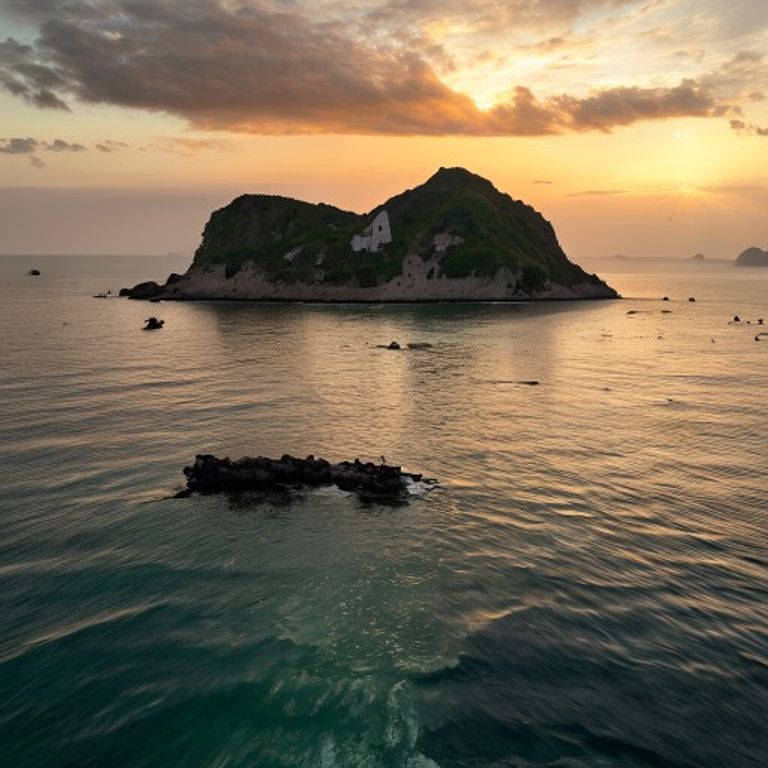
A double archipelago of volcanic islands and coral atolls, the Solomon Islands are a destination for ecotourism and World War II history (Guadalcanal). The country offers spectacular dives on shipwrecks and rich marine biodiversity. Melanesian culture is strong here, with traditional villages and wood crafts, in an environment of wild and little-explored nature.
⚠️ Research elaborated with the aid of Deep Research is subject to referential ambiguity.
🖥️Clean HTML code with the use of proprietary tools.
👥Research by Guilherme Felipe, Curation by Sílvio Lôbo
The Voice of the Pacific: An In-Depth Analysis of Solomon Islands Literature
The Solomon Islands, an archipelago of wild beauty and complex history in the heart of the South Pacific, possess a literary tradition that, while often marginalized in global debates, pulses with the strength of its landscapes, the resilience of its people, and the richness of its diverse cultures. As a literary critic and researcher, it is a privilege to unravel the layers of this production, which emerges from a post-colonial context marked by external influences and the incessant search for an authentic identity.
Pioneers and Foundational Narratives
Written literature in the Solomon Islands is largely a relatively recent phenomenon, with its deepest roots in orality and ancestral traditions. However, the foray into Western literary forms, such as novels and poetry, began to take more defined shape in the 20th century. One of the names frequently cited as a precursor is David Vunagi, who, although better known for his religious and political career (he was the first Anglican Archbishop in the Solomon Islands), contributed writings that reflected the social and religious transformations of the time.
However, for a literature that is beginning to define its distinctive voice, it is crucial to look at authors who emerged more strongly in the 1970s and 1980s, in the wake of independence gained in 1978. During this period, the need to narrate one's own history, to question the colonial legacy, and to affirm local identities became pressing. Although names like Arundhati Roy or Salman Rushdie are associated with post-colonial narratives in other latitudes, in the Solomon Islands, this search for voice manifested more subtly, often through short stories, poems, and plays.
Literary Movements and Relevant Publications
It is not possible to identify formalized literary movements with explicit manifestos in the Solomon Islands like those seen in Europe or the Americas. Literary production tends to be more organic, driven by informal collectives, writing workshops, and modest but persistent publishing initiatives. The University of the South Pacific (USP), with its campuses and extension programs throughout the region, has played and continues to play a fundamental role in promoting academic and creative writing.
Important publications, although often with limited circulation, serve as pillars for Solomon Islands literature. Anthologies of short stories and poems, often focusing on themes such as village life, the relationship with nature, war experiences (especially World War II, which left deep scars on the territory), and the challenges of modernization, are vital tools for disseminating these voices. The work of organizations like the South Pacific Creative Arts Society, which often publishes and promotes local authors, is of inestimable value.
Key Authors and Their Contributions
Identifying a definitive canon of authors born or based in the Solomon Islands is a constant challenge, given the fluid nature of literary production and dissemination. However, some names stand out for their persistence and the quality of their works:
- Leonard Q. Kolle: Considered by many to be one of the fathers of modern Solomon Islands literature. His short stories and novels often explore the tensions between cultural traditions and Western influence, addressing themes such as rural life, local customs, and moral dilemmas. His work is fundamental to understanding the nuances of contemporary Solomon Islands identity.
- Alice Masakio: Her poetry and prose are marked by a keen sensitivity to nature, spirituality, and the experiences of women in the Solomon Islands. Masakio offers an intimate look at daily life, family relationships, and female strength in a vibrant cultural context.
- Russell Kua'raka: Although his production may be more diffuse, Kua'raka has been an important voice in poetry, often addressing political and social issues directly and evocatively. His work reflects the search for cultural sovereignty and criticism of inequalities.
- George R. Kuper: With work spanning essays and narratives, Kuper has dedicated himself to documenting and analyzing the cultures and histories of the Solomon Islands, often engaging with the anthropological and historical legacy.
It is important to note that many other authors contribute their works in smaller publications, local periodicals, and digital platforms, forming an ever-evolving literary ecosystem.
Cultural Identity Reflected in Books
Cultural identity is the thread that permeates the vast majority of literary works from the Solomon Islands. This identity is multifaceted, forged by the interaction of:
- Oral and Ancestral Traditions: Stories, myths, songs, and legends passed down from generation to generation provide a rich repertoire of themes and symbols. The relationship with ancestors, nature spirits, and rituals is frequently explored.
- Linguistic and Cultural Diversity: The Solomon Islands are home to a myriad of languages and ethnic groups, each with its own customs and worldviews. This diversity is manifested in the narratives, character names, descriptions of social practices, and the different perspectives presented.
- The Colonial Legacy: British influence, the experience of World War II (with the massive presence of Allied and Japanese troops), and the independence process have left indelible marks. Literature often reflects the tensions between the "old" and the "new," the traditional and the modern, the indigenous and the foreign.
- The Relationship with Nature: The marine environment, tropical forests, fertile land – nature is not just a backdrop but a character in itself, intrinsically linked to Solomon Islands identity. Subsistence, food customs, spiritual beliefs, and cosmology itself are intimately intertwined with the environment.
- The Challenges of Contemporaneity: Issues such as globalization, urbanization, migration, economic pressures, and environmental challenges (including climate change) also find space in the narratives, showing literature's ability to remain relevant and engage with the present.
In summary, the literature of the Solomon Islands is a vibrant testament to cultural resilience and the continuous search for an authentic voice on the global stage. It is a literature that emerges from the depths of the Pacific, laden with ancestry, wisdom, and a deep connection to the land and sea, offering the reader a unique and enriching glimpse into an identity in constant formation and affirmation.





