



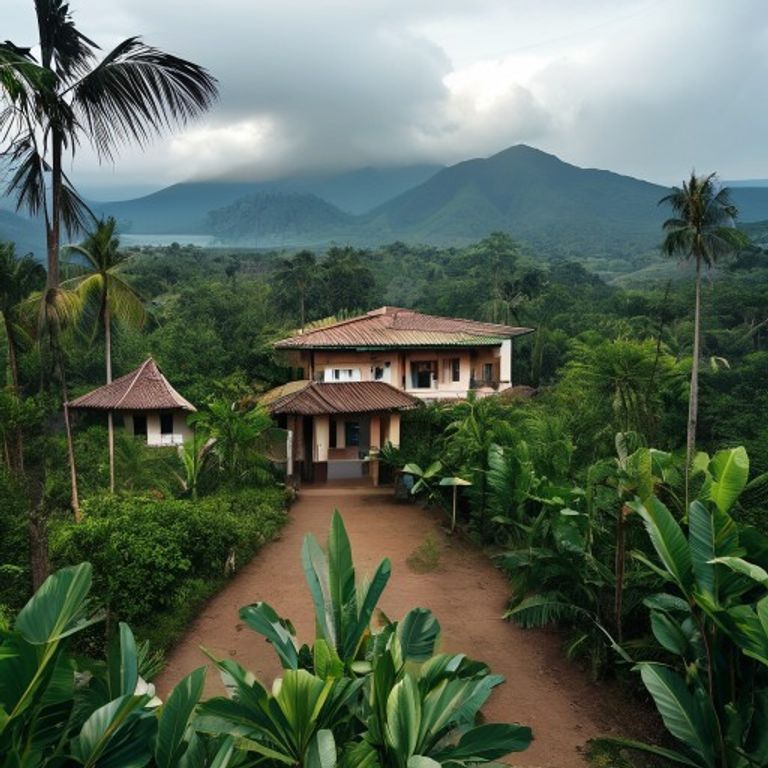
Bathed by the Caribbean Sea, Honduras boasts the Bay Islands, a world-class diving paradise alongside the second-largest coral reef. The country holds the ruins of Copán, the 'Paris of the Mayan World,' famous for its detailed stelae. With nature rich in forests and biodiversity, the nation is an exporter of coffee and bananas, maintaining a vibrant culture with indigenous and Garifuna influences.
As a researcher and scholar of Literary Theory, it is a immense pleasure to build this reflection with you. Central American literature, in general, suffers from structural invisibility in the Western canon, and Honduras, specifically, possesses a literary tradition that is a true treasure of resistance, aesthetic experimentation, and social denunciation.
Honduran literature is not merely a reflection of its sociopolitical reality; it is a mechanism for survival and identity construction in a territory historically marked by foreign interventions and structural challenges.
Below, I present a panoramic essay on the evolution and voices that compose this fascinating literary fabric.
The Letter and the Land: Cartography of Honduran Literature
The literary historiography of Honduras can be understood through the tensions between the pursuit of a universal poetic language and the urgent need to narrate the fractures of its local reality. Unlike other Latin American nations that experienced editorial "Booms," Honduran literature has often forged itself on the margins, which lends it unparalleled authenticity and urgency.
1. The Foundations: Romanticism, Modernism, and the Female Voice
The dawn of the 20th century in Honduras was marked by a hybridity between the end of Romanticism and the explosion of literary Modernism (in the Hispanic-American sense of the term).
-
Lucila Gamero de Medina (1873–1964): It is impossible to begin any analysis without mentioning Gamero de Medina. Her work Blanca Olmedo (1908) is considered the first Honduran novel. More than a romantic drama, the work is a fierce critique of the religious establishment and the conservative elite, pioneering a female and feminist narrative voice in Central America.
-
Juan Ramón Molina (1875–1908) and Froylán Turcios (1874–1943): In poetry and prose, these are the great architects of Modernism in Honduras. Molina, a contemporary and peer of Nicaragua's Rubén Darío, elevated Honduran poetry to an international aesthetic level, combining melancholy, metrical rigor, and mythological themes.
2. Social Realism and "Banana Literature"
In the mid-20th century, literary theory observes a sharp shift from Modernist aestheticism to social realism. The Honduran economy was violently reconfigured by U.S. fruit corporations (the United Fruit Company of the world), giving rise to the subgenre we call "banana novel" (novela bananera).
-
Ramón Amaya Amador (1916–1966): He is the undisputed pillar of this period. His novel Prisión Verde (1950) is the magnum opus of Central American social realism. Amaya Amador dissects the exploitation of workers on banana plantations, using literature as a political manifesto of denunciation, with direct and visceral prose.
3. Poetic Vanguard and International Recognition
20th-century Honduran poetry is perhaps its greatest literary export, characterized by deep introspection and, simultaneously, a commitment to the "other."
-
Clementina Suárez (1902–1991): A force of nature. Clementina broke with traditional gender roles in both her bohemian life and her avant-garde poetry. She introduced free verse and themes of eroticism and emancipation into national literature.
-
Roberto Sosa (1930–2011): The most internationally celebrated Honduran name of the 20th century. Winner of prestigious awards (such as Casa de las Américas), Sosa combined aesthetic precision with profound existential and social pain. Works like Los pobres and Un mundo para todos dividido are mandatory readings for understanding the poetics of inequality.
4. Contemporary Voices: Migration, Memory, and New Aesthetics
Contemporary Honduran literature (late 20th and 21st centuries) is incredibly vibrant. Far from adhering solely to magical realism or pamphleteering denunciation, today's writers grapple with urbanity, violence, political disillusionment, and the phenomenon of migration (diaspora).
-
Roberto Quesada (b. 1962): A master at capturing modern reality and the migrant experience with sharp, ironic humor. His novels Big Banana and Nunca entres por Miami are brilliant deconstructions of imperialist narratives and the "American Dream" from a Central American perspective.
-
Julio Escoto (b. 1944): Although he began his career in the second half of the 20th century, he remains one of the country's most brilliant narrative and essayistic minds. Works like El árbol de los pañuelos (1972) and Rey del Albor, Madrugada (1993) demonstrate a technical sophistication that blends history, myth, and social criticism.
-
Helen Umaña (b. 1942): As a Doctor of Literary Theory, I must highlight Helen. She is Honduras's foremost literary critic today. Her essays and dictionaries on national literature have been responsible for academically systematizing the Honduran canon for the world.
-
Rolando Kattan (b. 1979) and Mayra Oyuela (b. 1982): In 21st-century poetry, Kattan (winner of the prestigious Casa de América Poetry Award in 2020) brings an erudite, reflective, and philosophical poetics. Mayra Oyuela, in turn, is a powerful and visceral voice that explores the body, urban space, and the contradictions of contemporary Latin American women.
Synthesis
Studying Honduran literature means understanding that the written word, in this context, is never just an exercise in style; it is proof of existence. From the coffee plantations of Blanca Olmedo to the streets of New York in Quesada's novels, Honduras's narrative is compelling, necessary, and aesthetically rich.
🖥️Clean HTML code with the use of a proprietary tool.
Bathed by the Caribbean Sea, Honduras boasts the Bay Islands, a world-class diving paradise alongside the second-largest coral reef. The country holds the ruins of Copán, the 'Paris of the Mayan World,' famous for its detailed stelae. With nature rich in forests and biodiversity, the nation is an exporter of coffee and bananas, maintaining a vibrant culture with indigenous and Garifuna influences.
As a researcher and scholar of Literary Theory, it is a immense pleasure to build this reflection with you. Central American literature, in general, suffers from structural invisibility in the Western canon, and Honduras, specifically, possesses a literary tradition that is a true treasure of resistance, aesthetic experimentation, and social denunciation.
Honduran literature is not merely a reflection of its sociopolitical reality; it is a mechanism for survival and identity construction in a territory historically marked by foreign interventions and structural challenges.
Below, I present a panoramic essay on the evolution and voices that compose this fascinating literary fabric.
The Letter and the Land: Cartography of Honduran Literature
The literary historiography of Honduras can be understood through the tensions between the pursuit of a universal poetic language and the urgent need to narrate the fractures of its local reality. Unlike other Latin American nations that experienced editorial "Booms," Honduran literature has often forged itself on the margins, which lends it unparalleled authenticity and urgency.
1. The Foundations: Romanticism, Modernism, and the Female Voice
The dawn of the 20th century in Honduras was marked by a hybridity between the end of Romanticism and the explosion of literary Modernism (in the Hispanic-American sense of the term).
-
Lucila Gamero de Medina (1873–1964): It is impossible to begin any analysis without mentioning Gamero de Medina. Her work Blanca Olmedo (1908) is considered the first Honduran novel. More than a romantic drama, the work is a fierce critique of the religious establishment and the conservative elite, pioneering a female and feminist narrative voice in Central America.
-
Juan Ramón Molina (1875–1908) and Froylán Turcios (1874–1943): In poetry and prose, these are the great architects of Modernism in Honduras. Molina, a contemporary and peer of Nicaragua's Rubén Darío, elevated Honduran poetry to an international aesthetic level, combining melancholy, metrical rigor, and mythological themes.
2. Social Realism and "Banana Literature"
In the mid-20th century, literary theory observes a sharp shift from Modernist aestheticism to social realism. The Honduran economy was violently reconfigured by U.S. fruit corporations (the United Fruit Company of the world), giving rise to the subgenre we call "banana novel" (novela bananera).
-
Ramón Amaya Amador (1916–1966): He is the undisputed pillar of this period. His novel Prisión Verde (1950) is the magnum opus of Central American social realism. Amaya Amador dissects the exploitation of workers on banana plantations, using literature as a political manifesto of denunciation, with direct and visceral prose.
3. Poetic Vanguard and International Recognition
20th-century Honduran poetry is perhaps its greatest literary export, characterized by deep introspection and, simultaneously, a commitment to the "other."
-
Clementina Suárez (1902–1991): A force of nature. Clementina broke with traditional gender roles in both her bohemian life and her avant-garde poetry. She introduced free verse and themes of eroticism and emancipation into national literature.
-
Roberto Sosa (1930–2011): The most internationally celebrated Honduran name of the 20th century. Winner of prestigious awards (such as Casa de las Américas), Sosa combined aesthetic precision with profound existential and social pain. Works like Los pobres and Un mundo para todos dividido are mandatory readings for understanding the poetics of inequality.
4. Contemporary Voices: Migration, Memory, and New Aesthetics
Contemporary Honduran literature (late 20th and 21st centuries) is incredibly vibrant. Far from adhering solely to magical realism or pamphleteering denunciation, today's writers grapple with urbanity, violence, political disillusionment, and the phenomenon of migration (diaspora).
-
Roberto Quesada (b. 1962): A master at capturing modern reality and the migrant experience with sharp, ironic humor. His novels Big Banana and Nunca entres por Miami are brilliant deconstructions of imperialist narratives and the "American Dream" from a Central American perspective.
-
Julio Escoto (b. 1944): Although he began his career in the second half of the 20th century, he remains one of the country's most brilliant narrative and essayistic minds. Works like El árbol de los pañuelos (1972) and Rey del Albor, Madrugada (1993) demonstrate a technical sophistication that blends history, myth, and social criticism.
-
Helen Umaña (b. 1942): As a Doctor of Literary Theory, I must highlight Helen. She is Honduras's foremost literary critic today. Her essays and dictionaries on national literature have been responsible for academically systematizing the Honduran canon for the world.
-
Rolando Kattan (b. 1979) and Mayra Oyuela (b. 1982): In 21st-century poetry, Kattan (winner of the prestigious Casa de América Poetry Award in 2020) brings an erudite, reflective, and philosophical poetics. Mayra Oyuela, in turn, is a powerful and visceral voice that explores the body, urban space, and the contradictions of contemporary Latin American women.
Synthesis
Studying Honduran literature means understanding that the written word, in this context, is never just an exercise in style; it is proof of existence. From the coffee plantations of Blanca Olmedo to the streets of New York in Quesada's novels, Honduras's narrative is compelling, necessary, and aesthetically rich.
🖥️Clean HTML code with the use of a proprietary tool.





