



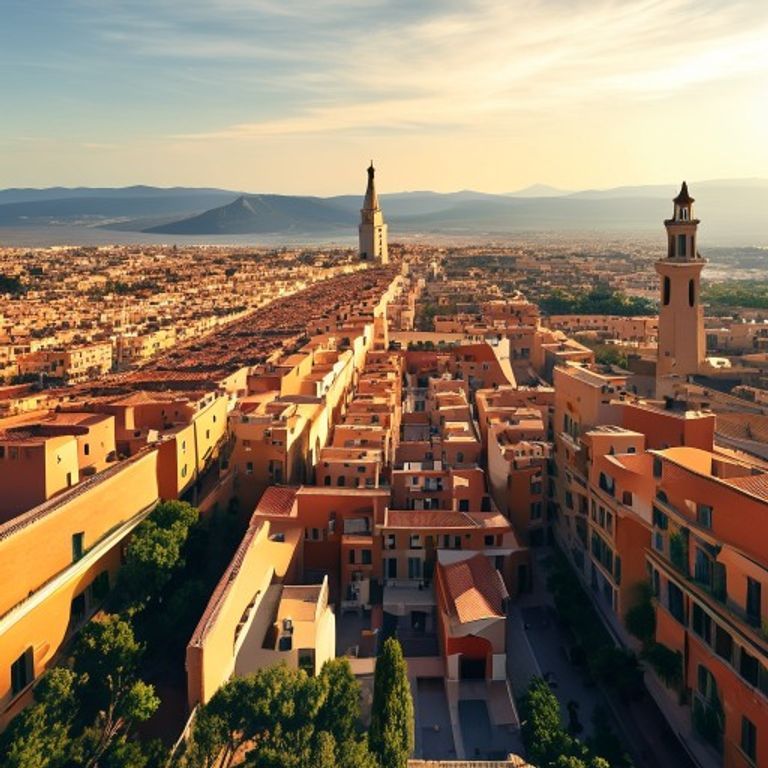
The 'Spice Island', Granada is perfumed by the aroma of nutmeg, clove, and cinnamon, which grow abundantly in its fertile volcanic soil. With the picturesque capital St. George's surrounding a horseshoe harbor, it offers idyllic beaches like Grand Anse. It is a tranquil, authentic, and colorful destination, recovered from past invasions and hurricanes.
⚠️ Research elaborated with the help of Deep Research is subject to referential ambiguity.
🖥️Clean HTML code using a proprietary tool.
👥 Research by Guilherme Felipe, Curation by Sílvio Lôbo
The Andalusian Soul in Words: A Dive into Granadian Literature
Granada, a city of unparalleled beauty and ancient history, is not just a stage for architectural wonders and landscapes that have inspired artists for centuries. It is also a fertile cauldron for literary creation, a soil where Andalusian culture intertwines with writing, producing works that resonate with the vibrant and multifaceted identity of the region. This essay seeks to unravel the richness of Granadian literature, exploring its main exponents, the movements that shaped it, and how local cultural identity manifests itself in the pages of its books.
Roots and Voices: Fundamental Authors of Granadian Literature
Granada's literary history is marked by voices that captured the essence of Andalusia, from melancholy to lyricism, from revolt to celebration. Although the list is extensive, some names stand out for their influence and the legacy they left behind:
- Federico García Lorca: Undoubtedly, the most prominent and internationally recognized name in Granadian literature. A poet and playwright, Lorca is an icon of the Generation of '27. His work, permeated by Andalusian popular culture, folklore, flamenco, and the strong presence of nature, explores themes such as death, love, social oppression, and identity. Plays like Blood Wedding, Yerma, and The House of Bernarda Alba, and poems like Gypsy Ballads, are testaments to his genius and his deep love for Granada.
- Emilio Prados: Another crucial member of the Generation of '27, Prados was also born in Malaga, but his life and work were intrinsically linked to Granada. His poetry, often introspective and meditative, addresses nature, transcendence, and the search for a deeper meaning of existence.
- Luis Rosales: A poet and essayist, Rosales was an important figure in the Spanish poetic renewal after the Civil War. His work, of great formal rigor and intellectual depth, dialogues with classical tradition and philosophy, while reflecting the complexities of his time.
- Ángel Ganivet: Although his work predates the great names of the Generation of '27, Ganivet is considered a precursor of Granadian thought and prose. His essayistic work, such as Idearium Español, and his short stories, explore Spanish identity and the need for modernization.
- Ángela Figuera Aymerich: An important female voice in 20th-century poetry, Figuera Aymerich addressed in her poems the experience of women, social inequality, and the search for freedom, often with a strong protest element.
- Juan Ramón Jiménez: The Nobel Prize in Literature, although he spent much of his life in other parts of Spain and in exile, maintained a strong connection with Granada, where he found inspiration and developed important friendships. His poetry is marked by the search for "pure poetry" and the beauty of nature.
Currents and Movements: Literary Evolution in Granada
Granadian literature, like a living organism, has absorbed and reinterpreted various literary movements over the centuries:
- Romanticism and Realism: The landscapes and mystical atmosphere of Granada already served as a backdrop for romantic narratives in the 19th century. Later, realism also found material for its social observations in its urban and rural settings.
- Generation of '27: This was undoubtedly the most impactful movement in Granadian literature. The convergence of poets like Lorca, Prados, and Alberti in the city, and the intellectual exchange that flourished there, gave rise to some of the most important works of 20th-century Spanish literature. The search for language renewal, the fusion of popular and erudite, and the reflection on Spanish identity were distinctive features of this period.
- Post-War and New Horizons: After the devastation of the Civil War and Francoist repression, Granadian literature, like Spanish literature in general, faced new challenges. Authors like Rosales and Figuera Aymerich, even under the weight of censorship, continued to produce works of great value, often with a more veiled language to express their anguish and criticisms. The following decades saw the emergence of new voices, exploring more contemporary themes and experimenting with narrative and poetic forms.
The Mirror of the Local Soul: Granadian Cultural Identity in Literature
Granada's cultural identity is a fundamental pillar that sustains its literary production. This identity is complex, multifaceted, and deeply rooted in its history and geography:
- The Arab Legacy and the Aljama: The Moorish heritage, visible in the architecture of the Alhambra and the Albaicín neighborhood, permeates Granada's atmosphere and is reflected in the language, metaphors, and themes of many authors. Melancholy, mysticism, and exotic beauty are frequently explored elements.
- Folklore and Flamenco: Flamenco music and dance, with their emotional intensity and deep roots in Gitano and Andalusian culture, are inexhaustible sources of inspiration. Lorca, in particular, knew how to capture the tragic force and passion of flamenco in his verses.
- Granadian Nature: The Sierra Nevada, the Generalife valley, the fertility of the Darro river – nature in its diverse forms shapes Granada's physical and spiritual landscape, being a recurring element in poetry and prose, evoking feelings of admiration, serenity, or despair.
- Urban and Rural Life: Granadian literature moves between the representation of life in the labyrinthine alleys of the Albaicín, the sophistication of literary salons, and the harshness of rural life. This dichotomy reflects the different facets of local society.
- Historical Consciousness: Granada is a city that carries the weight of its history, its conquests and losses. This historical consciousness manifests itself in literature as a reflection on the past, memory, and the search for an identity in constant construction.
Publications and Reference Places
The circulation and dissemination of Granadian literature occur through various platforms and institutions:
- Literary Magazines: Throughout the 20th century, several literary magazines played a crucial role in promoting new talents and fostering debates. Revista de Occidente, although national in scope, featured contributions from many Granadian authors.
- Local Publishers: Granadian publishing houses play a vital role in publishing regional authors, often focusing on works that celebrate local identity.
- University of Granada: The university is a center for literary research and dissemination, promoting studies on Granadian authors and movements, as well as publishing academic and literary works.
- Cultural Houses and Literary Centers: Spaces dedicated to the promotion of culture, such as the Casa de los Tiros or the Andalusian Center for Letters (CAL), frequently organize literary events, lectures, and book presentations, keeping the flame of literary creation alive.
In summary, literature in Granada is a living testament to its Andalusian soul. From Lorca's melancholic verses to Ganivet's reflective essays, through the voices that echo social and cultural transformations, books born in or inspired by Granada offer a profound window into the complexity, beauty, and resilience of a land that has always known how to transform its rich history into immortal art.





