



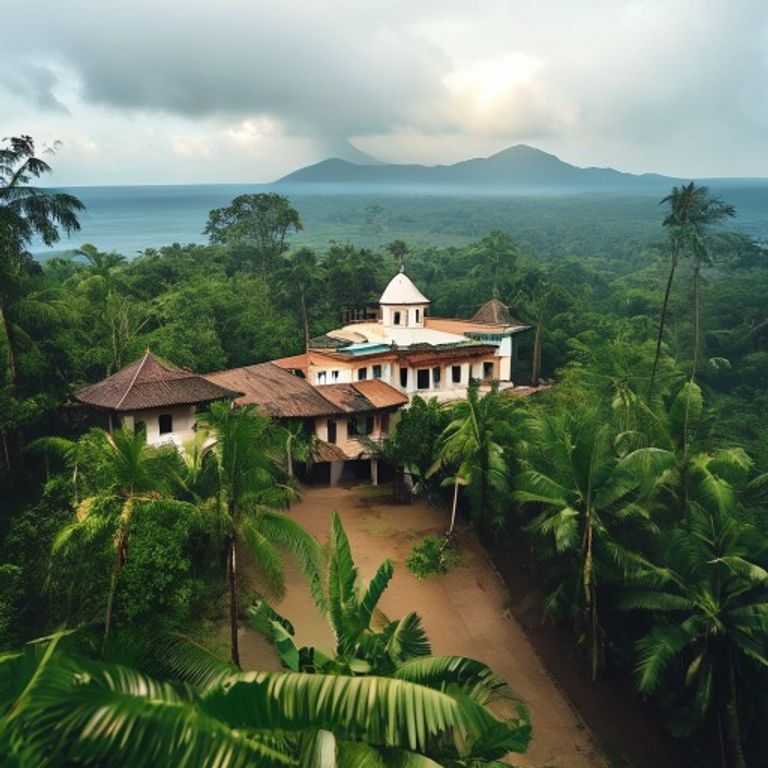
A small gem on the Caribbean coast of Central America, Belize is the only country in the region where English is official. Famous for the 'Great Blue Hole' (a giant marine sinkhole) and the second-largest coral reef in the world, it is a paradise for divers. The culture mixes Mayan heritage (with accessible ruins) and the Afro-Caribbean vibe of the Garifuna people.
Belizean literature is a fascinating mosaic that reflects the country's demographic and historical complexity. Situated at the crossroads between the Caribbean and Central America, Belizean literary production merges Mayan, African (via Garifuna culture and Creole), Spanish, and British influences.
Below, we explore the evolution and essential names of this vibrant literary scene.
1. Roots and National Identity
For a long time, literature in Belize was oral or dominated by colonial perspectives (Belize was formerly British Honduras). The transition to an authentically Belizean voice occurred in the 20th century, focusing on the struggle for independence and the definition of "being Belizean."
-
George Price: Although better known as the "Father of the Nation" and prime minister, his speeches and writings laid the groundwork for the country's nationalist rhetoric and cultural identity.
-
Raymond Barrow: One of the pioneering poets who captured the country's landscape and spirit in the mid-20th century.
2. Pillars of Contemporary Literature
These authors are fundamental to understanding the transition from oral tradition to modern prose and structured poetry.
Zee Edgell (1940–2020)
Belize's most internationally renowned writer. Her debut novel, "Beka Lamb" (1982), is considered a landmark. The work narrates the coming-of-age of a young woman in Belize City during the 1950s, exploring issues of class, race, and nationalist politics.
Evan X Hyde
A central figure in the Black consciousness movement in Belize in the 1960s and 70s. His works, such as "North of Tikal", blend political commentary, history, and fiction, being fundamental to understanding the racial and social tensions in the country.
3. Current Writers and New Voices
Contemporary Belizean literature has expanded to the diaspora and explores themes such as migration, Central American magical realism, and the preservation of native languages.
-
Felicia Hernandez: Known for documenting Garifuna culture. In books like I Don't Know You, But I Love You, she uses narrative to preserve ancestral memories and rituals of her people.
-
Glenna Matola: An active voice in short fiction and poetry, focusing on gender issues and everyday urban life in Belize.
-
Ivory Kelly: A writer and academic who stands out for writing in both English and Kriol (Belizean Creole). Her work Point of Order is essential for anyone wanting to understand the linguistic transition in the country.
-
David Aklogan: An emerging name who brings a modern and often experimental perspective to Belizean poetry.
4. Recurring Themes
Belizean literature is not just entertainment; it is a tool of resistance and memory. The most common themes include:
-
Multiculturalism: The coexistence of Mayans, Mestizos, Garifuna, and Mennonites.
-
The Sea and the Jungle: The lush nature (the Coral Reef and Mayan ruins) often serves as a symbolic backdrop for internal conflicts.
-
Language: The use of Kriol as a legitimate literary language in opposition to "standard" English.
Conclusion
Although Belize's publishing market still faces geographical and economic challenges, the quality of its output is very high. Reading authors like Zee Edgell or Ivory Kelly is like diving into a Caribbean region little explored by Brazilian audiences, but rich in stories of resilience and cultural fusion.
🖥️Clean HTML code using a proprietary tool.
A small gem on the Caribbean coast of Central America, Belize is the only country in the region where English is official. Famous for the 'Great Blue Hole' (a giant marine sinkhole) and the second-largest coral reef in the world, it is a paradise for divers. The culture mixes Mayan heritage (with accessible ruins) and the Afro-Caribbean vibe of the Garifuna people.
Belizean literature is a fascinating mosaic that reflects the country's demographic and historical complexity. Situated at the crossroads between the Caribbean and Central America, Belizean literary production merges Mayan, African (via Garifuna culture and Creole), Spanish, and British influences.
Below, we explore the evolution and essential names of this vibrant literary scene.
1. Roots and National Identity
For a long time, literature in Belize was oral or dominated by colonial perspectives (Belize was formerly British Honduras). The transition to an authentically Belizean voice occurred in the 20th century, focusing on the struggle for independence and the definition of "being Belizean."
-
George Price: Although better known as the "Father of the Nation" and prime minister, his speeches and writings laid the groundwork for the country's nationalist rhetoric and cultural identity.
-
Raymond Barrow: One of the pioneering poets who captured the country's landscape and spirit in the mid-20th century.
2. Pillars of Contemporary Literature
These authors are fundamental to understanding the transition from oral tradition to modern prose and structured poetry.
Zee Edgell (1940–2020)
Belize's most internationally renowned writer. Her debut novel, "Beka Lamb" (1982), is considered a landmark. The work narrates the coming-of-age of a young woman in Belize City during the 1950s, exploring issues of class, race, and nationalist politics.
Evan X Hyde
A central figure in the Black consciousness movement in Belize in the 1960s and 70s. His works, such as "North of Tikal", blend political commentary, history, and fiction, being fundamental to understanding the racial and social tensions in the country.
3. Current Writers and New Voices
Contemporary Belizean literature has expanded to the diaspora and explores themes such as migration, Central American magical realism, and the preservation of native languages.
-
Felicia Hernandez: Known for documenting Garifuna culture. In books like I Don't Know You, But I Love You, she uses narrative to preserve ancestral memories and rituals of her people.
-
Glenna Matola: An active voice in short fiction and poetry, focusing on gender issues and everyday urban life in Belize.
-
Ivory Kelly: A writer and academic who stands out for writing in both English and Kriol (Belizean Creole). Her work Point of Order is essential for anyone wanting to understand the linguistic transition in the country.
-
David Aklogan: An emerging name who brings a modern and often experimental perspective to Belizean poetry.
4. Recurring Themes
Belizean literature is not just entertainment; it is a tool of resistance and memory. The most common themes include:
-
Multiculturalism: The coexistence of Mayans, Mestizos, Garifuna, and Mennonites.
-
The Sea and the Jungle: The lush nature (the Coral Reef and Mayan ruins) often serves as a symbolic backdrop for internal conflicts.
-
Language: The use of Kriol as a legitimate literary language in opposition to "standard" English.
Conclusion
Although Belize's publishing market still faces geographical and economic challenges, the quality of its output is very high. Reading authors like Zee Edgell or Ivory Kelly is like diving into a Caribbean region little explored by Brazilian audiences, but rich in stories of resilience and cultural fusion.
🖥️Clean HTML code using a proprietary tool.





