



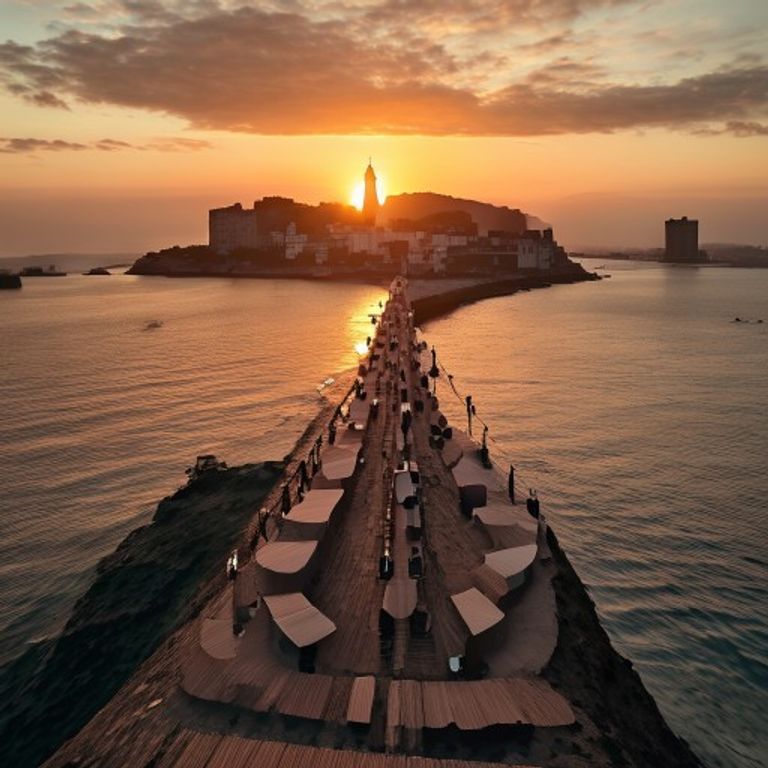
This municipality in the State of Minas Gerais saw names like Otto Lara Resende and the chronicler Paulo Mendes Campos born and raised, keeping alive a rich tradition of letters and colonial history.
The literary scene of São João del-Rei is a living organism that pulsates between the weight of its historical stones and the effervescence of its university youth. Acting as a researcher, I present a panorama that connects the tradition of colonial libraries to the urgency of peripheral literary gatherings.
1. Roots and Tradition: The Cradle of Minas Gerais Literature
São João del-Rei boasts the title of city of rhymes and bells. The local literary tradition is founded on the Biblioteca Municipal Baptista Caetano d’Almeida, the first public library in Minas Gerais (1827), which served as an intellectual refuge for generations.
Among the fundamental figures, we highlight:
Bárbara Eliodora: Poet and heroine of the Inconfidência Mineira, whose historical presence still reverberates in the city's poetic identity. Tancredo Neves: Although a politician, his production of speeches and texts consolidated a style of rhetorical "mineiridade" that influenced regional writing. Academia de Letras de São João del-Rei (ALSJDR): An institution that preserves the local canon, featuring figures like Prof. José Antônio de Resende and Evaldo Balbino (also nationally awarded) as links between academic research and literary creation. 2. The Contemporary Scene: Voices of Resistance and Youth
If tradition resides in academies, the contemporary soul is found in the streets, bars, and cultural centers. The presence of UFSJ (Universidade Federal de São João del-Rei) is the main catalyst for this new wave of independent writers.
Collectives and Literary Gatherings Coletivo Arteferia: One of the most vibrant groups today. The collective produces the Fanzine Arteferia, a handmade publication that brings together poems, comics, and manifestos. They organize itinerant literary gatherings that occupy spaces from the Estação da Cidadania to public squares, focusing on themes like ancestry and revolution. Sarau de Ancestralidade: Recently held at the Municipal Library, this movement seeks to decolonize local literature, bringing names like Conceição Evaristo to the forefront and encouraging local black authors to read their original works. Independent Writers and Publishers
Current production deviates from the commercial axis, betting on the "author's book" format and small print runs:
Evaldo Balbino: A name that bridges the classic and the new. With works like Os Fios de Ícaro and Fantasma de Joana d’Arc, he is a reference of technique and sensitivity. Maximiliano Lara: A researcher and writer who combines local geography with poetry, exploring the simplicity of Minas Gerais knowledge. Editora UFSJ: Although institutional, it plays a vital role in publishing works by new academic talents who blend literary essays with fiction. Zine Scene: Young authors like Yuri Amaral and members of the local zine movement use the "do-it-yourself" aesthetic to distribute texts that criticize urbanization and celebrate affection.
3. Themes and Works: Between Baroque and Bitita
São João del-Rei's current literature does not ignore the past but reinterprets it. The predominant genres are marginal poetry, fantastic short stories, and chronicles of customs.
Featured Themes: Identity and Ancestry: Strongly driven by the local black movement, production focuses on "escrevivência" (writing-living), a term by Conceição Evaristo that finds resonance in young poets from the region who write about the periphery and African heritage in the "City of Bells." Urban "Interiority": Unlike bucolic regionalism, new authors write about life in a historic city that deals with tourism, university life, and social contradictions. The Sacred and the Profane: The coexistence with religious traditions (Holy Week, bell tolls) appears ironically or profoundly lyrically in the works of independent authors. Examples of Recent Publications: "Fanzine Arteferia" (Various Editions): Themes such as the Spring of Peoples and Love and Utopia. "A Contemporânea Literatura Brasileira" (Local Participations): Anthologies that gather short stories by researchers and students from UFSJ. "Retalhos Literários": Columns and chronicles published in the Jornal das Lajes, which serve as a thermometer of the region's literary production.
Conclusion: São João del-Rei is experiencing a moment of "city reclamation." If literature was once a privilege of closed studies, today it is a tool for occupying public space. The local independent scene proves that, between one soapstone slope and another, there is always a new verse being printed on a modern mimeograph or recited under the light of a lamppost.
This municipality in the State of Minas Gerais saw names like Otto Lara Resende and the chronicler Paulo Mendes Campos born and raised, keeping alive a rich tradition of letters and colonial history.
The literary scene of São João del-Rei is a living organism that pulsates between the weight of its historical stones and the effervescence of its university youth. Acting as a researcher, I present a panorama that connects the tradition of colonial libraries to the urgency of peripheral literary gatherings.
1. Roots and Tradition: The Cradle of Minas Gerais Literature
São João del-Rei boasts the title of city of rhymes and bells. The local literary tradition is founded on the Biblioteca Municipal Baptista Caetano d’Almeida, the first public library in Minas Gerais (1827), which served as an intellectual refuge for generations.
Among the fundamental figures, we highlight:
Bárbara Eliodora: Poet and heroine of the Inconfidência Mineira, whose historical presence still reverberates in the city's poetic identity. Tancredo Neves: Although a politician, his production of speeches and texts consolidated a style of rhetorical "mineiridade" that influenced regional writing. Academia de Letras de São João del-Rei (ALSJDR): An institution that preserves the local canon, featuring figures like Prof. José Antônio de Resende and Evaldo Balbino (also nationally awarded) as links between academic research and literary creation. 2. The Contemporary Scene: Voices of Resistance and Youth
If tradition resides in academies, the contemporary soul is found in the streets, bars, and cultural centers. The presence of UFSJ (Universidade Federal de São João del-Rei) is the main catalyst for this new wave of independent writers.
Collectives and Literary Gatherings Coletivo Arteferia: One of the most vibrant groups today. The collective produces the Fanzine Arteferia, a handmade publication that brings together poems, comics, and manifestos. They organize itinerant literary gatherings that occupy spaces from the Estação da Cidadania to public squares, focusing on themes like ancestry and revolution. Sarau de Ancestralidade: Recently held at the Municipal Library, this movement seeks to decolonize local literature, bringing names like Conceição Evaristo to the forefront and encouraging local black authors to read their original works. Independent Writers and Publishers
Current production deviates from the commercial axis, betting on the "author's book" format and small print runs:
Evaldo Balbino: A name that bridges the classic and the new. With works like Os Fios de Ícaro and Fantasma de Joana d’Arc, he is a reference of technique and sensitivity. Maximiliano Lara: A researcher and writer who combines local geography with poetry, exploring the simplicity of Minas Gerais knowledge. Editora UFSJ: Although institutional, it plays a vital role in publishing works by new academic talents who blend literary essays with fiction. Zine Scene: Young authors like Yuri Amaral and members of the local zine movement use the "do-it-yourself" aesthetic to distribute texts that criticize urbanization and celebrate affection.
3. Themes and Works: Between Baroque and Bitita
São João del-Rei's current literature does not ignore the past but reinterprets it. The predominant genres are marginal poetry, fantastic short stories, and chronicles of customs.
Featured Themes: Identity and Ancestry: Strongly driven by the local black movement, production focuses on "escrevivência" (writing-living), a term by Conceição Evaristo that finds resonance in young poets from the region who write about the periphery and African heritage in the "City of Bells." Urban "Interiority": Unlike bucolic regionalism, new authors write about life in a historic city that deals with tourism, university life, and social contradictions. The Sacred and the Profane: The coexistence with religious traditions (Holy Week, bell tolls) appears ironically or profoundly lyrically in the works of independent authors. Examples of Recent Publications: "Fanzine Arteferia" (Various Editions): Themes such as the Spring of Peoples and Love and Utopia. "A Contemporânea Literatura Brasileira" (Local Participations): Anthologies that gather short stories by researchers and students from UFSJ. "Retalhos Literários": Columns and chronicles published in the Jornal das Lajes, which serve as a thermometer of the region's literary production.
Conclusion: São João del-Rei is experiencing a moment of "city reclamation." If literature was once a privilege of closed studies, today it is a tool for occupying public space. The local independent scene proves that, between one soapstone slope and another, there is always a new verse being printed on a modern mimeograph or recited under the light of a lamppost.





