



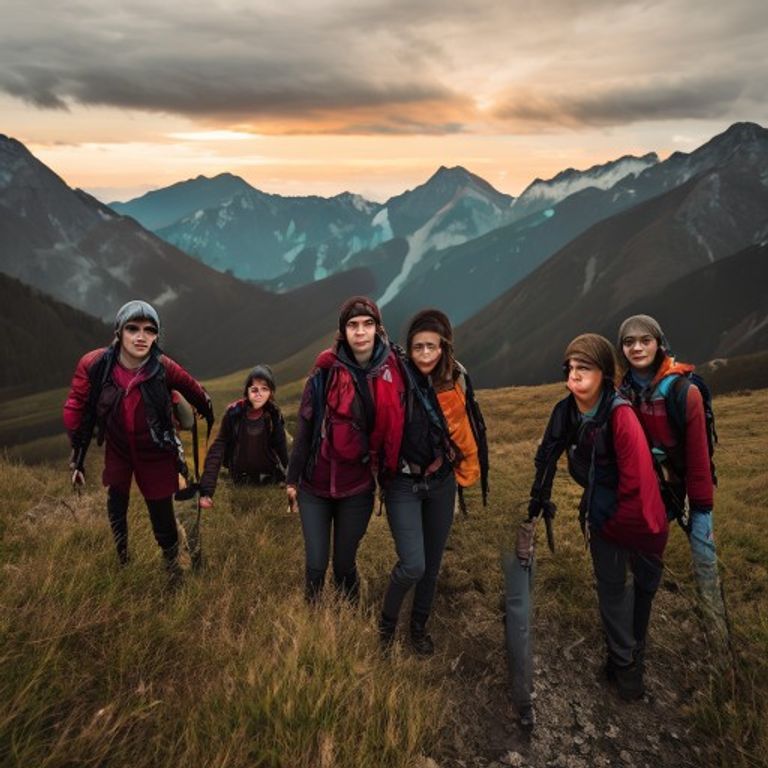
The website silviolobo.com.br was a pioneer in illustration using AI images. The first images had many details with errors; the hands and faces of the created people had many defects. In this article, we will ask tools to generate images of famous incidents. Let's see what we get!
The Dyatlov Pass Incident
DeepSeek suggested: ""Nine abandoned clothes in deep snow under a night sky lit by a mysterious green light, dark documentary style, frozen colors, realistic details." Bing Image created:
In January 1959, nine experienced mountaineering students, led by Igor Dyatlov, embarked on an expedition in the Ural Mountains, Russia. They planned to climb Mount Kholat Syakhl ("Mountain of the Dead" in the Mansi language). However, something terrible happened:
-
On February 1st, a severe snowstorm began.
-
The group's tent was found cut from the inside, as if they had fled in panic.
-
The bodies were found in various states: some naked (despite the extreme cold), others with severe fractures (as if they had fallen from a great height), and one even without a tongue and eyes.
-
There were no signs of a struggle, but the injuries suggested an extremely violent force.
Possible Explanations
The case remained a mystery for decades, but some theories include:
-
Avalanche: A small avalanche could have startled the group, causing them to flee in desperation.
-
Secret military infringements: Witnesses reported strange lights in the sky that night, raising suspicions of military tests.
-
Infrasound (high-altitude wind effect): Unexplained sounds may have caused panic.
-
Attack by animals or local people: But there were no signs of a struggle.
In 2020, Russian researchers concluded that a slab avalanche (a layer of snow that slides suddenly) was the most likely cause, explaining the injuries and the hurried escape.
Mount Everest Tragedy (1996) – "Into Thin Air"
Group: Various climbers, including guides and clients from commercial expeditions.
What happened:
-
In May 1996, a surprise storm on Everest caught several teams off guard, including the one led by the experienced Rob Hall.
-
Eight people died, including students and instructors from an Adventure Consultants team.
-
The disaster was narrated in the book "Into Thin Air" (Jon Krakauer), a survivor.
Cause: A combination of mountain overcrowding, communication failure, and sudden storm.
Mount Hood Tragedy (1986) – University of Oregon Expedition
Group: Seven students and two instructors from the University of Oregon.
What happened:
-
In May 1986, the group was caught in a violent storm while climbing Mount Hood (USA).
-
Three students died of hypothermia, and the survivors had to dig into the snow for shelter.
Cause: A sudden change in weather and possible failure in risk assessment.
Mount Ontake Disaster (2014) – Climbers surprised by eruption
Group: About 250 hikers, including students.
What happened:
-
In September 2014, Mount Ontake (Japan) erupted without prior warning.
-
At least 63 people died, many suffocated by ash and toxic gases.
Cause: A sudden volcanic eruption (Ontake was considered "dormant").
Mount Logan Tragedy (2005) – Simon Fraser University Expedition
Group: Four students and two guides from Simon Fraser University (Canada).
What happened:
-
In May 2005, the group was hit by an extreme storm on Mount Logan (Canada's second-highest mountain).
-
All died of hypothermia and exhaustion after being trapped for days.
Cause: Extreme weather conditions and possible planning failure.
Mount McKinley/Denali Disaster (1967) – Wilcox Expedition
Group: Twelve climbers (seven died).
What happened:
-
In July 1967, a catastrophic storm on Denali (Alaska) left the group trapped for days.
-
Seven died of cold and starvation, in one of the worst disasters in the mountain's history.
Cause: Weather forecast failure and winds exceeding 160 km/h.
This research was conducted by DeepSeek, and numerous cases have already been, or will be, covered on this website.
The website silviolobo.com.br was a pioneer in illustration using AI images. The first images had many details with errors; the hands and faces of the created people had many defects. In this article, we will ask tools to generate images of famous incidents. Let's see what we get!
The Dyatlov Pass Incident
DeepSeek suggested: ""Nine abandoned clothes in deep snow under a night sky lit by a mysterious green light, dark documentary style, frozen colors, realistic details." Bing Image created:
In January 1959, nine experienced mountaineering students, led by Igor Dyatlov, embarked on an expedition in the Ural Mountains, Russia. They planned to climb Mount Kholat Syakhl ("Mountain of the Dead" in the Mansi language). However, something terrible happened:
-
On February 1st, a severe snowstorm began.
-
The group's tent was found cut from the inside, as if they had fled in panic.
-
The bodies were found in various states: some naked (despite the extreme cold), others with severe fractures (as if they had fallen from a great height), and one even without a tongue and eyes.
-
There were no signs of a struggle, but the injuries suggested an extremely violent force.
Possible Explanations
The case remained a mystery for decades, but some theories include:
-
Avalanche: A small avalanche could have startled the group, causing them to flee in desperation.
-
Secret military infringements: Witnesses reported strange lights in the sky that night, raising suspicions of military tests.
-
Infrasound (high-altitude wind effect): Unexplained sounds may have caused panic.
-
Attack by animals or local people: But there were no signs of a struggle.
In 2020, Russian researchers concluded that a slab avalanche (a layer of snow that slides suddenly) was the most likely cause, explaining the injuries and the hurried escape.
Mount Everest Tragedy (1996) – "Into Thin Air"
Group: Various climbers, including guides and clients from commercial expeditions.
What happened:
-
In May 1996, a surprise storm on Everest caught several teams off guard, including the one led by the experienced Rob Hall.
-
Eight people died, including students and instructors from an Adventure Consultants team.
-
The disaster was narrated in the book "Into Thin Air" (Jon Krakauer), a survivor.
Cause: A combination of mountain overcrowding, communication failure, and sudden storm.
Mount Hood Tragedy (1986) – University of Oregon Expedition
Group: Seven students and two instructors from the University of Oregon.
What happened:
-
In May 1986, the group was caught in a violent storm while climbing Mount Hood (USA).
-
Three students died of hypothermia, and the survivors had to dig into the snow for shelter.
Cause: A sudden change in weather and possible failure in risk assessment.
Mount Ontake Disaster (2014) – Climbers surprised by eruption
Group: About 250 hikers, including students.
What happened:
-
In September 2014, Mount Ontake (Japan) erupted without prior warning.
-
At least 63 people died, many suffocated by ash and toxic gases.
Cause: A sudden volcanic eruption (Ontake was considered "dormant").
Mount Logan Tragedy (2005) – Simon Fraser University Expedition
Group: Four students and two guides from Simon Fraser University (Canada).
What happened:
-
In May 2005, the group was hit by an extreme storm on Mount Logan (Canada's second-highest mountain).
-
All died of hypothermia and exhaustion after being trapped for days.
Cause: Extreme weather conditions and possible planning failure.
Mount McKinley/Denali Disaster (1967) – Wilcox Expedition
Group: Twelve climbers (seven died).
What happened:
-
In July 1967, a catastrophic storm on Denali (Alaska) left the group trapped for days.
-
Seven died of cold and starvation, in one of the worst disasters in the mountain's history.
Cause: Weather forecast failure and winds exceeding 160 km/h.
This research was conducted by DeepSeek, and numerous cases have already been, or will be, covered on this website.





