



⚠️ Research conducted with the aid of Deep Research may be subject to referential ambiguity.
🖥️ Clean HTML code using a proprietary tool.
👥 Research by Guilherme Felipe, Curation by Sílvio Lôbo

The Dog: An Unparalleled Friend and Man's True Best Friend
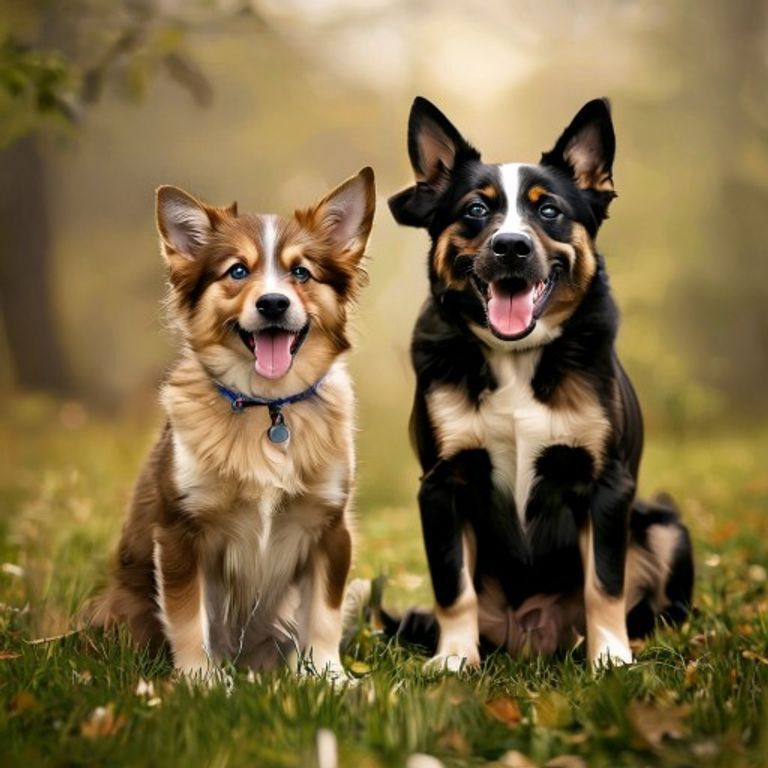
Since the dawn of human civilization, a special connection has formed and flourished between us and dogs. This millennia-old relationship has transcended mere companionship, solidifying the dog as a loyal companion, a devoted protector, and, undeniably, man's best friend.
The history of canine domestication is fascinating. It is estimated that this partnership began tens of thousands of years ago, when wild wolves approached human settlements, attracted by food scraps. Over time, a relationship of mutualism developed: dogs received food and shelter, while humans benefited from their vigilance and, later, from their hunting and herding skills.
This long coexistence has shaped the physiology and behavior of dogs, making them incredibly attuned to human emotions and intentions. This attunement is evident in their ability to interpret our facial expressions, our tone of voice, and even our body postures. A dog can sense when we are sad and will offer a comforting muzzle or a gentle nudge. They will vibrate with genuine joy when they see us return home, demonstrating an unconditional love that we rarely find in other relationships.
The title of "man's best friend" is not hyperbole, but rather a reflection of their extraordinary qualities. Dogs are known for their unwavering loyalty. Once a dog connects with a human, this bond is strong and lasting, often overcoming challenges and adversities. They offer us security, not only physical but also emotional, filling voids and combating loneliness.
In addition to their companionship, dogs play vital roles in our lives. Guide dogs help visually impaired individuals navigate the world with independence and safety. Therapy dogs offer comfort and emotional support in hospitals, nursing homes, and schools. Police and military dogs are essential partners in security missions, drug and explosive detection, and rescue operations.
The diversity of dog breeds reflects the vast range of functions they perform. From the imposing stature and strength of a Saint Bernard to the agility and intelligence of a Border Collie, there is a dog for almost every need and lifestyle. Each breed has unique characteristics, but all share a common desire to please and belong to a pack, which for them, is the human family.
Caring for a dog is a responsibility that requires time, dedication, and love. Proper nutrition, regular exercise, veterinary care, and, above all, affection and attention are fundamental to the well-being of our furry friends. In return, they gift us with an inexhaustible source of joy, laughter, and pure, selfless love.
In summary, the relationship between humans and dogs is one of the oldest and most rewarding partnerships in the animal kingdom. Their loyalty, affection, and presence transform our lives, making them, without a doubt, man's true best friend.
Article:
1. Introduction
For over 15,000 years, humans and dogs have joined in a partnership that has evolved into almost a friendship contract. Since then, the relationship has evolved from hunters and herders to companions in work, justice, and, above all, mere company. Why do these animals, with their long eyes and wagging tails, maintain this "best friend" status for so long? Let's find out.
2. The History: From Squires to Cuties
- Ancestral Breeding – Periods of migration and domestication have evolved the dog from wolf to pet.
- Role in Ancient Times – Hunting economy, herd guarding, danger signaling.
- A Cultural Leap – In the ancient world, the dog was already cultivated, exhibited, and even revered as a symbol of loyalty.
- Modernity and Affection – With urbanization, the dog has increasingly occupied the role of "sofa companion" rather than "field worker."
3. Why Dogs Are So Special
3.1 Emotional Security
Dogs have a natural ability to perceive our moods. In moments of sadness, the simple fur brushing against our feet can make anxiety evaporate. They act as a natural "mood sensor": they sniff, observe, and offer their body for comfort during relief.
3.2 Physical Stimulus
Walking a dog is an almost mandatory daily task. There's no one who tires of the chase. This encourages gentle exercise, ideal for those who want to stay in shape without long breaks on the weekend.
3.3 Social Connector
Gathering a circle of friends for brunches or in parks can be facilitated by a dog. The simple act of holding a leash attracts curious people, creating a natural "social vector" for conversation.
4. Impact on Health
- Stress Reduction – Interaction with dogs releases oxytocin, promoting relaxation.
- Somatization – Adopting a dog and regular contact can lead to a decrease in symptoms of depression, anxiety, and hypertension.
- Physiotherapy – Canine-assisted therapy benefits people recovering from neurological diseases, particularly children.
5. The Challenge of Coexistence
Many humor sessions talk about "the dog that will never sleep...", but the reality is: owners need to eradicate the sense of "dog at home" as a constant obligation.
| Problem | Solution |
|---|---|
| Training - "jumps on people" | Introduction of simple and consistent commands |
| Space Needs | Breed and crate selection, adjusted to your routine |
| Health Care | Quantitative veterinary consultation and vaccination schedule |
6. What About Wanting a New Owner (or Having a Dog at Home)?
- Respect – Define rules regarding places and times.
- Maternal Love – Respect that the animal needs a period of rest and tranquility.
- Understanding Behavior – Identify causes of anger/anxiety: is it fear? obesity? seasonality?
7. Important to Remember
If you have or are going to get a dog, understand that this does not immediately standardize coexistence. It is a process where consistency and balance will dominate the best association between both. The central point is authenticity: both parties recognizing responsibility, space, and coexistence.
8. Conclusion
What dogs give us — warm loyalty, emotional support, constant exercise motivation, and the ability to create social connections — shows why they maintain the status of the most tolerant "best friend" compared to many other pets. If well cared for, they also provide returns in physical and emotional health that are almost impossible to replicate in any other form of companionship.
Renting a riddle of "how to make a dog peaceful" is not enough; there is a set of techniques already stacked with beauty; the key is to take them for reuse, sitting down afterward — the little things that keep the animal healthy and at the same time bring out the feeling of a "full family environment."





