



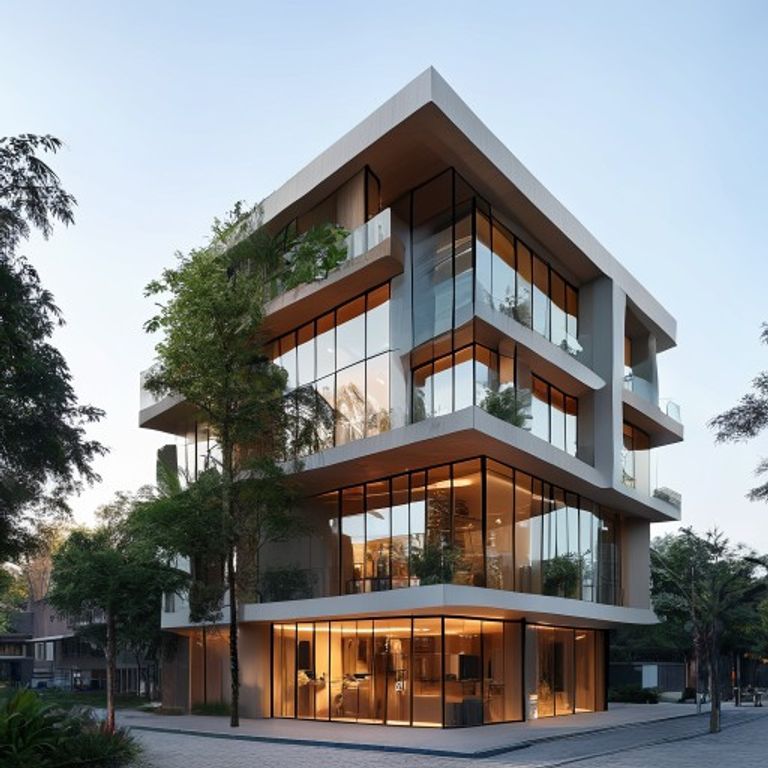
The Andorinha Building was inaugurated in 1934 and was located in the city of Rio de Janeiro, on the corner of Avenida Graça Aranha with Avenida Almirante Barroso in downtown Rio de Janeiro. It caught fire after a short circuit in the electrical system of one of the floors on February 17, 1986, killing 21 people and injuring more than 50.
⚠️ Research elaborated with the help of Deep Research is subject to referential ambiguity.
🖥️Clean HTML code with the use of proprietary tools.
👥 Research by Guilherme Felipe, Curation by Sílvio Lôbo
Andorinha Building: Architecture, History, and the Shadow of Tragedy
The Andorinha Building, located in the city of São Paulo, is an architectural landmark that evokes a period of constructive effervescence and urban aspirations. Its history, however, is indelibly marked by a tragic event that transformed it into a symbol of pain and struggle. As a researcher, it is imperative to analyze the different aspects that compose the identity of this building, from its constructive characteristics and the context in which it was conceived, to the deep scars left by the fire that ravaged the site.
Origins and Architectural Characteristics
Built in the 1970s and 1980s, the Andorinha Building reflects the aesthetics and trends of residential architecture of the time. Designed to house a considerable number of families, its conception aimed to offer housing in a central area of the São Paulo capital, responding to the growing demand for housing. Details about the responsible architect and the specific design of the building are crucial to understanding its insertion into the urban and architectural panorama of the period. The structure, generally of reinforced concrete, and the layout of the apartments, aimed to optimize space and functionality for its residents.
Historical and Social Context
The construction of the Andorinha Building is part of a period of great urban development and real estate speculation in São Paulo. The expansion of the city and the search for new residential areas led to the construction of large vertical developments. The social context of the time, with population growth and the need to house an increasing number of people, is also a relevant factor for understanding the proliferation of buildings like Andorinha. The occupation of these spaces often reflected different social strata and community dynamics.
The Tragedy of the Fire
The most painful and striking point in the history of the Andorinha Building is, without a doubt, the devastating fire that occurred in 1989. This tragic event caused the loss of countless lives and a deep shock to the community and the city. The causes of the fire, the circumstances that led to its rapid spread, and the consequences for the survivors and families of the victims are elements that demand in-depth analysis. The investigation into failures in safety regulations, inspection, and evacuation procedures became a milestone in the discussion about building safety in Brazil.
Key Relevant Points of the Fire:
- The approximate date and time of the incident.
- The number of fatalities and injured.
- Theories about the initial causes of the fire.
- The difficulties faced by rescue teams and firefighters.
- The impact on the local community and the response of the authorities.
- The legal consequences and changes in fire safety legislation.
Legacy and Memory
The Andorinha Building, even after the tragedy, remains a point of reference, albeit with a heavy emotional burden. Its history serves as a grim reminder of the fragility of human life and the crucial importance of safety in buildings. The memory of the fire endures, influencing debates on urbanism, safety, and civil and governmental responsibility. The way society deals with the memory of tragedies like this is fundamental for building a safer and fairer future.
The research on the Andorinha Building, therefore, transcends architectural analysis. It delves into social history, risk management, and human resilience. A complete understanding of this building requires consideration of all these elements, especially the indelible scar left by the tragedy, which shaped its identity and meaning.





