



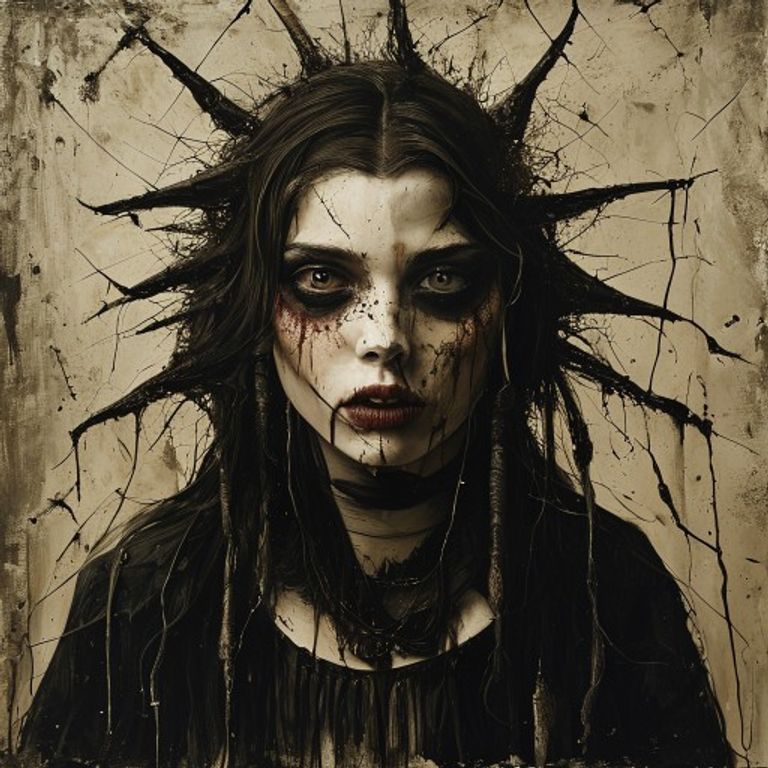
Six members of a family and two guests were axed to death in a small Iowa town in 1912, in a brutal crime that remains unsolved.
⚠️ Research conducted with the assistance of Deep Research may be subject to referential ambiguity.
🖥️Clean HTML code using a proprietary tool.
👥 Research by Guilherme Felipe, Curation by Sílvio Lôbo
The Villisca Axe Murders: A Silenced Scream on the American Prairie
On a quiet June night in 1912, the peaceful town of Villisca, Iowa, became the scene of a heinous crime that would shock the nation and leave a trail of mystery for over a century. Eight souls, including six children, were brutally murdered in their homes, an act of violence as brutal as it was inexplicable, which to this day challenges the minds of investigators and curious individuals.
1. The Context and the Incident: Where, When, and How the Mystery Began
The night of June 10, 1912, is a dark mark in the history of Villisca. The town, once a prosperous agricultural center in southwestern Iowa, was a microcosm of rural American life at the time. Most houses were made of wood, and the community was relatively close-knit, making the shock of the massacre even more profound.
On that fateful night, the Moore family – Joe and Bertha, and their children Herman (11), Kathryn (8), Paul (5), and Cecil (2) – were sleeping peacefully in their residence. Also asleep in the house were sisters Lena (12) and Ina (9) Gano, daughters of family friends who had come to spend the night. The murder weapon, an axe, was found in the living room, stained with blood. The brutality and lack of signs of forced entry or struggle indicated a swift and calculated action.
2. Timeline of Events: A Chronological Reconstruction of Key Facts
- Night of June 9, 1912: The Gano sisters arrive at the Moore's house to spend the night.
- Early morning of June 10, 1912: The massacre occurs. All victims are struck in the head with an axe while sleeping. The weapon, an axe belonging to the Moore family, is left in the living room. A blanket is placed over the heads of the younger victims, possibly to muffle screams or to conceal their faces.
- Morning of June 10, 1912: Mrs. Montgomery, a neighbor and friend of the Moore family, notices the unusual inactivity at the Moore's house and, after receiving no response, enters the residence and discovers the horror.
- June 10, 1912, onwards: The news spreads, and local police begin their investigation. The crime scene is preserved, and Sheriff Jones and his officers start collecting evidence and interviewing witnesses.
- Months and years that followed: Several suspects are identified, interrogated, and in some cases, tried, but none are convicted. The case becomes one of the unsolved crimes.
3. Main Theories: Possible Explanations for the Crime
Over the decades, numerous theories have emerged, seeking to bring closure to the Villisca enigma. They range from the most logical and based on police investigations to the most fantastic and paranormal.
3.1. Police and Scientific Theories
- Lone Wolf/Transient Theory: The killer would be an unknown individual, possibly a drifter or someone with a hidden motive, who infiltrated the house without signs of forced entry. The absence of theft suggests the motive was not financial. Some investigators pointed to the possibility of a serial killer active in the region.
- Neighbor or Acquaintance Theory: A member of the Villisca community or someone close to the victims would be the culprit. The lack of forced entry and familiarity with the house could indicate this. The possibility of a crime of passion, revenge, or latent resentment is considered.
- Tenant/Friend's Father Theory: One theory suggests that an individual, possibly a man named Charlie Shockey, a former employee of Joe Moore, could have been the killer. Reports indicate that Shockey was fired by Moore and held a grudge. His presence in town at the time of the crime is confirmed, but he had alibis.
3.2. Alternative and Conspiracy Theories
- Masonic Theory: Some more exotic theories suggest the involvement of a secret society, such as the Freemasons, with whom Joe Moore may have had some conflict. This theory is based on rituals and symbolism found at the crime scene by some, although not officially confirmed.
- Ritualistic/Religious Crime Theory: The brutality and the way the victims were found (heads covered) led to speculation about a possible crime of a religious or ritualistic nature, perhaps linked to some sect or obscure belief.
3.3. Paranormal Theories
- Hauntings and Spirits: The Moore house, and later the property where the crime occurred, became a focal point for reports of paranormal activity. Many believe that the spirits of the victims, or of the killer himself, still haunt the place, manifesting through sounds, apparitions, and moving objects. This theory has no scientific basis.
4. Controversies and Blind Spots: Inconsistencies in Official Investigations
The case is full of inconsistencies and flaws that have fueled the mystery and allowed the true culprit to go unpunished.
- Crime Scene Preservation: The crime scene, crucial for any investigation, appears to have been compromised quickly. The house was opened to the public before a complete forensic examination could be conducted, and many items were touched or moved.
- Conflicting Testimonies: Several testimonies were collected, some of which contradicted each other. Community pressure and the anxiety for a resolution may have led to inaccurate or biased accounts.
- Lost or Ignored Evidence: There are allegations that some important clues may have been lost, discarded, or simply not adequately explored. The axe, the main weapon, was cleaned by the police before being properly examined.
- Failed Trials: Two men, Frank E. Jones and George Villisca Anderson, were tried for the crime, but both were acquitted due to lack of conclusive evidence. Jones's first trial in 1917 ended in a hung jury, and a second trial in 1918 resulted in acquittal. Anderson was tried in 1917 and also acquitted. The lack of a formally convicted culprit left the case open.
- Official Report: Official reports from the time are scarce and often vague, making subsequent forensic analysis and the identification of potentially more fruitful lines of investigation difficult.
5. Curiosities and Legacy: The Cultural Impact of the Case
The Villisca Massacre transcended police blotters, becoming an icon of American folklore and one of the most famous unsolved mysteries in the United States.
- Cultural Impact: The event cast a shadow over the town of Villisca, transforming it into a place associated with the macabre. The story has inspired books, documentaries, and television programs dedicated to unraveling the mystery.
- The Haunted House: The Moore house, now known as the Villisca Axe Murder House, is a popular tourist attraction for paranormal and macabre enthusiasts. Many claim to have supernatural experiences at the location.
- Current Status: The Villisca case remains officially unsolved by authorities. Although private investigations and enthusiasts continue to explore new clues and theories, no definitive solution has been found, leaving the question: who, or what, perpetrated the Villisca Massacre on that fateful June night in 1912? The truth, guarded by the silent prairies of Iowa, seems destined to remain an echo in time, a somber testament to the fragility of life and the persistence of the inexplicable.





