



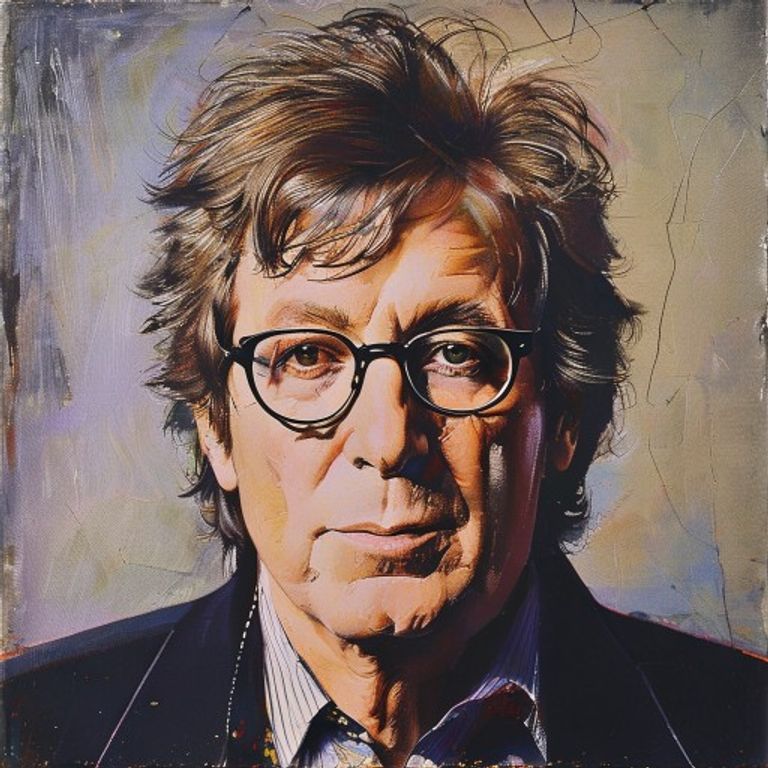
The urban legend that emerged in 1969 claiming that the musician had died in a car accident years earlier and been replaced by a look-alike, based on alleged hidden clues in album covers and lyrics.
⚠️ Research conducted with the aid of Deep Research is subject to referential ambiguity.
🖥️ Clean HTML code using a proprietary tool.
👥 Research by Guilherme Felipe, Curation by Sílvio Lôbo
The Paul McCartney Case: The Shadow of Doubt Over an Icon's Identity
For decades, the image of Paul McCartney, the legendary bassist of the Beatles, has been synonymous with musical genius and global success. However, behind the iconic smile and immortal melodies hides one of the most persistent and intriguing mysteries of pop culture: the "Paul is Dead" (PID) theory. What began as an insidious rumor, fueled by alleged clues left on album covers and in song lyrics, evolved into a complex cultural phenomenon, challenging credulity and stimulating a myriad of speculations.
This article investigates the origins, evolution, and legacy of the "Paul is Dead" theory, rigorously separating proven facts from conjectures, and analyzing the main hypotheses that attempt to unravel this enigma that hangs over the life and career of one of the most influential musicians in history.
1. The Context and the Incident: Where, When, and How the Mystery Began
The germination of the "Paul is Dead" theory is attributed to the late 1960s, a period of creative effervescence for the Beatles, but also of growing internal tension. Although there is no single incident that marks the beginning of the mystery, the theory gained strength after the publication of articles and discussions in universities and fan clubs. The most common reference date for the alleged death of Paul McCartney is November 9, 1966.
The "incident" that supposedly precipitated McCartney's replacement is not a concrete event, but rather an interpretation of a series of alleged clues. The most widespread narrative suggests that Paul McCartney died in a car accident in the early hours of November 9, 1966, after a Beatles recording session. To avoid panic and keep the band's profitable machine running, a replacement was allegedly orchestrated, with an identical look-alike taking his place.
2. Timeline of Events (Proven Facts vs. Speculation)
Reconstructing a timeline for the "Paul is Dead" theory is a delicate exercise, as it blends real events from the Beatles' career with speculative interpretations from conspiracy theorists.
- 1966: A period of intense musical activity and experimentation for the Beatles. The band releases innovative albums like "Revolver".
- November 1966: Date frequently cited by theorists as the date of Paul McCartney's death. This date is based on speculation and "clues" found in recordings.
- 1967: Release of the album "Sgt. Pepper's Lonely Hearts Club Band". The cover of this album became one of the main pillars of the PID theory, with its numerous alleged symbolisms.
- 1968: Release of the album "The Beatles" (White Album). Other "clues" and interpretations are attributed to this album.
- 1969: The theory gains significant traction with articles published in university newspapers and online discussions. DJ Russ Gibb of radio station WKNR-FM in Detroit is credited with popularizing the theory en masse, claiming to have received inside information.
- 1990: Paul McCartney releases his solo album "Paul is Live", a direct and humorous response to the theories, with the cover simulating the "Abbey Road" cover with him barefoot and alone.
3. The Main Theories: Unraveling the Hypotheses
The theories that attempt to explain the alleged replacement of Paul McCartney vary in their complexity and credibility, ranging from mundane explanations to paranormal conjectures.
3.1. The Classic Replacement Theory (The Most Popular)
This is the central theory of "Paul is Dead". The logic lies in the belief that, after his death on November 9, 1966, Paul McCartney was replaced by a look-alike. The alleged motives for the cover-up include avoiding the band's financial collapse, public mourning, and the impact on the music industry.
- Pointed Evidence:
- "Sgt. Pepper's Lonely Hearts Club Band" Cover: McCartney's position among the dead, the hand over his head (a symbol of death in some Eastern cultures), the flowers arranged in the shape of "Paul", and the hand extended over his head in an inverted image that would supposedly delete "Paul".
- "Abbey Road" Cover: McCartney barefoot, a cigarette in his right hand (he is left-handed), walking in the opposite direction to his bandmates, the license plate "2317" (interpretations vary, but suggest dates or codes).
- Song Lyrics: Phrases in songs like "A Day in the Life" ("I read the news today, oh boy") and "I'm So Tired" ("Monk man monk man monk man") are interpreted as references to death and suffering.
- Reversed Recordings: Alleged subliminal messages in recordings when played backward, such as the phrase "I buried myself" in "Yesterday".
- Physical Changes: Small differences in McCartney's appearance over the years are seen as proof of the replacement.
3.2. The Hoax or Urban Legend Hypothesis
This hypothesis, defended by skeptics and the band itself over the years, suggests that the PID theory is, in its essence, an elaborate urban legend, a modern folk tale. The "evidence" would be the result of coincidences, biased interpretations, and a collective desire to find meaning where there is none.
- Logic: The creativity and experimental nature of the Beatles, especially on their album covers, would naturally generate diverse and sometimes exaggerated interpretations. The fascination with the band and the culture of the 1960s would have created fertile ground for the emergence and spread of the theory.
- Counterpoint: The persistence of the theory for decades, the number of "clues" found, and the way some of them seem so specific challenge the simple claim of coincidence for some.
3.3. Paranormal and Esoteric Theories
Some strands of the PID theory enter the realm of the paranormal and the esoteric, suggesting interference from supernatural forces or occult practices behind the alleged replacement.
- Logic: These theories often rely on interpretations of occult symbolism on album covers, alleged influences of secret societies, or even the idea that the "new Paul" is not human.
- Difficulty of Verification: The nature of these theories makes them intrinsically difficult to prove or refute by conventional means.
4. Controversies and Blind Spots
The investigation of the "Paul is Dead" theory is full of controversies and blind spots that fuel the mystery.
- The Absence of Concrete Proof: The main obstacle for the theory is the lack of any irrefutable material evidence that corroborates the death of Paul McCartney in 1966 and the subsequent replacement. No official death certificate for Paul McCartney, no public confession, no leak of classified documents.
- Conflicting Testimonies: Over the years, members of the Beatles and people connected to the band have always vehemently denied the theory. However, the way these denials were made, sometimes with a certain tone of humor or evasion, is interpreted by some as an attempt to disguise the truth.
- Subjective Interpretations of Clues: Most of the "clues" found on album covers and in lyrics are highly subjective. What is a symbol of death to one person may be an artistic coincidence or an image without hidden meaning to another.
- Non-existent Declassified Files: Unlike many conspiracy theories that rely on declassified government documents, there are no official files regarding the alleged replacement of Paul McCartney.
- Voice and Appearance Forensics: Although modern forensic science can analyze voice and bone structure, such analyses applied over the years have not presented conclusive evidence that the current Paul McCartney is not the same one from the 60s. Natural changes over time and the improvement of musical and visual production techniques make this analysis complex.
- The Testimony of Russ Gibb: DJ Russ Gibb was one of the main promoters of the theory. His testimony of having received information from an anonymous source within the Beatles' circle is crucial to the spread of the theory, but its veracity has never been fully confirmed.
5. Curiosities and Legacy
The "Paul is Dead" case transcended the universe of music fans, becoming a cultural phenomenon with a lasting legacy.
- Cultural Impact: The theory stimulated a type of "musical archaeology" and critical analysis of works of art, where fans look for hidden meanings in seemingly insignificant details. This form of engagement with art can be seen as a precursor to the fan analysis we see today in various media.
- Influence on Other Theories: The popularity of "Paul is Dead" paved the way for the proliferation of other conspiracy theories involving celebrities and historical events, establishing a model of how speculation can go viral.
- Band's Response: The way the Beatles and Paul McCartney handled the theory, often with a mix of amusement and exasperation, is also part of the legacy. McCartney's response on albums like "Paul is Live" demonstrates the ability to use humor to confront absurd narratives.
- Current Status: The "Paul is Dead" theory remains, for the most part, a fascinating urban legend. Although most people today consider it a myth, the absence of a definitive answer and the persistence of "clues" interpreted in creative ways ensure that the mystery continues to captivate and spark debate, proving that, sometimes, fiction can be more enduring than reality. The case, in practice, is shelved in terms of official investigations, but lives eternally in the popular imagination and in the incessant analysis of fans and pop culture scholars.





