



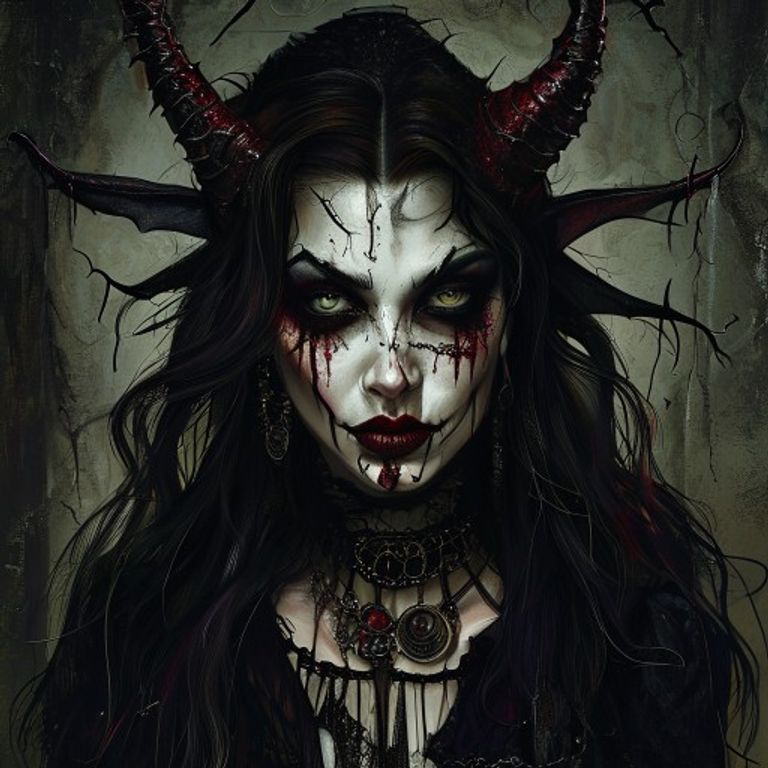
Reports of a tall, dark figure wandering through a London cemetery sparked mass panic and bizarre hunts in the seventies.
⚠️ Research elaborated with the aid of Deep Research is subject to referential ambiguity.
🖥️Clean HTML code using a proprietary tool.
👥Research by Guilherme Felipe, Curation by Sílvio Lôbo
The Highgate Vampire: The Fear That Haunted the Cemetery and the British Mind
The autumn of 1970 in London was tinged with an unusual dread. It wasn't the fear of global wars or political instability that hung in the air, but rather an older, more primal apprehension. The stage for this gothic suspense was the iconic Highgate Cemetery, a Victorian labyrinth of imposing graves, somber mausoleums, and ancient trees that whispered secrets to the wind. There, something sinister seemed to have awakened, giving rise to the legendary and still not fully unraveled Highgate Vampire Case.
Context and the Incident: The Shadow That Emerged from the Tomb
The mystery began to unfold with a series of disturbing reports that emerged in late 1970. Residents and visitors to Highgate Cemetery began to claim they had seen a tall, slender, pale figure with "piercing red eyes" lurking among the graves at dusk. The narrative quickly escalated from isolated sightings to widespread panic when news broke of animals found dead, apparently drained of blood, in the vicinity of the cemetery. The peak of terror came with the discovery that some tombs had been violated, with their occupants allegedly removed or desecrated in grotesque ways. The British press, eager for a sensational story, soon coined the term "Highgate Vampire," fueling the popular imagination with the possibility of a supernatural creature on the loose.
Timeline of Key Events
- October 1970: First reports of sightings of a dark figure in Highgate Cemetery.
- Late 1970: Increase in reports, including the discovery of mysteriously dead animals in the vicinity.
- Early 1971: News of violated tombs in the cemetery, intensifying panic and media attention.
- February 14, 1974: David Farrant, a self-proclaimed occultist, publicly declares he will hunt and destroy the vampire.
- March 1974: Confrontation between David Farrant and another vampire hunter, Sean Manchester, inside the cemetery, resulting in arrests.
- Following years: The case continues to generate speculation and interest, but without a definitive resolution.
The Main Theories: Seeking Rationality in a Sea of Shadows
The inexplicable nature of the events at Highgate Cemetery gave rise to a myriad of theories, each attempting to fill the gaps left by investigation and collective imagination.
Scientific and Police Theories (Most Likely)
- Acts of Vandalism and Desecration: The most straightforward and likely closest to reality hypothesis is that the "sightings" and tomb violations were the work of vandals, perhaps youths or individuals with more sinister motives, who sought to cause fear and disturbance. Grave desecration is a crime that exists independently of supernatural beliefs.
- Psychological and Social Explanations: Fear can be contagious, especially in environments charged with history and atmosphere like an old cemetery. Mass panic may have led people to "see" what they expected to find, fueled by sensationalist media coverage. The phenomenon of mass hysteria is a factor to consider.
- Animal Actions: The death of animals drained of blood could be attributed to natural predators or specific environmental conditions that led to dehydration and decomposition in a way that mimicked blood loss. However, the precision and frequency of the reports make this explanation less convincing for some.
Alternative, Conspiracy, or Paranormal Theories
- The True Vampire: The theory that gave the case its name. The belief that a supernatural creature, a classic vampire, was indeed inhabiting the cemetery, feeding on blood and haunting the living. This theory, while alluring, lacks any empirical evidence.
- Modern Vampires or Dark Cults: A variation of the vampire theory, suggesting it could be individuals who practiced macabre rituals or self-identified as vampires, using the cemetery as their territory.
- Actions of David Farrant and Sean Manchester: Some suggest that the "vampire hunters'" own pursuit might have been a smokescreen or that their actions, motivated by extreme beliefs, contributed to the chaos and the perception of supernatural activity.
Controversies and Blind Spots: The Flaws in the Search for Truth
The Highgate Vampire Case is fertile ground for controversy, marked by investigations that, for many, were rushed or inadequate, and by a sea of contradictory information.
- Lack of Concrete Evidence: Despite reports of violated tombs and dead animals, little forensic evidence was released or found that could incriminate an individual or support the existence of a creature.
- Ignorance of Potential Clues: Critics point out that authorities did not take the possibility of deliberate criminal acts seriously enough, focusing more on calming the public than on rigorous investigation.
- Behavior of the "Hunters": The actions of David Farrant and Sean Manchester, while catalysts for media attention, also generated suspicion. Their confrontations and extreme statements raised the question of whether they themselves were not the agents of chaos. Farrant, in particular, maintained a stance of self-proclaimed guardianship, which may have obscured the truth.
- Disappearance of Evidence: As with many cases with an element of mystery, rumors about missing objects or official reports circulate, fueling the idea that something is being hidden.
Curiosities and Legacy: The Shadow That Remains
The Highgate Vampire Case transcended newspaper headlines to become a cultural icon, a modern gothic horror tale that continues to fascinate and frighten.
- Impact on Popular Culture: The case has inspired books, documentaries, and countless articles, solidifying the figure of the modern vampire in the popular imagination, blending classic legend with urban fear.
- The Cemetery's Fascination: Highgate Cemetery itself, with its sinister atmosphere and melancholic beauty, has become a pilgrimage site for the curious and occult enthusiasts, attracting visitors who seek to feel the vampire's "presence."
- Current Status: The case, in terms of an active police investigation, was effectively shelved decades ago. However, the legend of the Highgate Vampire persists, fueled by new interpretations and the intrinsic mystery of a crime that, for many, was never truly solved. What began as a specific incident in the autumn of 1970 has transformed into a lasting myth, a shadow in the heart of London that continues to evoke fear and fascination.





