



⚠️ Research conducted with the aid of Deep Research is subject to referential ambiguity.
🖥️ Clean HTML code using a proprietary tool.
👥 Research by Guilherme Felipe, Curation by Sílvio Lôbo
The Chivruay Pass Incident: A Frozen Mystery Persists
The Chivruay Pass, a remote and inhospitable region in Siberia, is the setting for one of the most intriguing and enduring enigmas of modern history: the Chivruay Pass Incident. What began as a seemingly routine ski expedition in 1959 turned into a frozen nightmare that defies logical explanation, fascinating investigators and the public for decades.
The Macabre Discovery
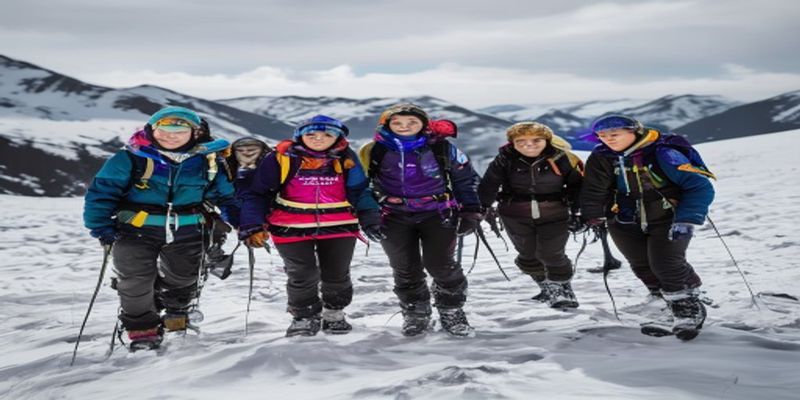
In February 1959, a group of ten students from the Ural Polytechnic Institute, led by Igor Dyatlov, set out on a ski expedition through the Otorten region in the Ural Mountains. The expedition, planned as a test of endurance and skill, soon turned into a tragedy. When the group did not return on the scheduled date, a search was initiated. What the rescuers found shocked the world.
The group's tent was found violently torn from the inside out, with their belongings scattered. Nine bodies were discovered in different locations and in varying stages of decomposition. The circumstances of the deaths were bizarre and inexplicable:
- Undressed in Extreme Temperatures: Several members of the group were found undressed or wearing very little clothing, despite freezing temperatures ranging between -25°C and -30°C. Some were barefoot.
- Unusual Injuries: The causes of death were officially attributed to hypothermia. However, two of the bodies showed severe internal fractures and multiple traumas, including broken ribs and significant cranial damage, with no external signs of struggle or aggression.
- Lack of Defense: There were no signs of a struggle or defense against attackers, which made the injuries even more mysterious.
- Evidence of Radioactivity: Subsequent analyses of some clothing found at the campsite revealed abnormal levels of radiation, raising the possibility of exposure to an unknown source.
- Missing Diaries: The group members' diaries, which could have contained crucial clues, disappeared.
Theories and Lines of Investigation
Since the discovery, countless theories have been proposed to explain the Chivruay Pass Incident, ranging from the scientific to the paranormal:
Scientific and Rational Theories:
- Avalanche: One of the most accepted theories is that the group was caught in an avalanche, forcing them to leave the tent in a hurry and becoming separated. However, the lack of signs of a significant avalanche at the site and the nature of the injuries do not fit this explanation perfectly.
- Explosion or Military Test: The presence of secret military tests in the region at the time raised the hypothesis that the group may have been victims of an accidental explosion or a test blast. The radiation found on some clothing reinforces this possibility.
- Mass Homicide: Some suggest that the group was attacked by a hostile group, perhaps local natives or criminals. However, the lack of evidence of a struggle and the state of the bodies make this theory difficult to support.
- Rare Natural Phenomena: Theories about infrasound (low-frequency sound waves that can cause panic and disorientation), or other unknown natural forces, have also been considered to explain the irrational behavior and panic that may have led the group to flee.
Speculative and Paranormal Theories:
- UFOs and Aliens: Given the bizarre nature of the injuries and the lack of a rational explanation, theories involving UFOs and alien abductions have gained traction.
- Yeti or Unknown Creatures: Rumors about sightings of mysterious creatures in the region led some to speculate that the group was attacked by an unknown beast.
- Secret Government Experiments: The idea that the Soviet government was conducting secret experiments in the area, perhaps with weapons or psychic research, also circulates.
The Mystery Persists: Why So Fascinating?
The Chivruay Pass Incident continues to be an unsolvable mystery due to a confluence of factors:
- The Absence of Witnesses: The tragedy occurred in a remote and uninhabited location, with no eyewitnesses who could provide a direct account of the events.
- Contradictory Evidence: The few pieces of evidence left behind are contradictory and do not point to a single convincing explanation.
- Lack of Official Transparency: The initial Soviet government was criticized for its lack of transparency and the way the investigation was conducted, fueling conspiracy theories.
- The Human Element: The idea of brave young explorers facing such a horrific and inexplicable fate resonates deeply with the public, evoking a sense of vulnerability and the fragility of life.
- The Fascination with the Unknown: In an era where many mysteries are solved by science, the Chivruay Pass serves as a reminder that there are still enigmas that challenge our understanding.
The Chivruay Pass Incident remains a cautionary tale and an invitation to speculation. Whatever the truth may be, the story of the nine students who disappeared in the vast, frozen lands of Siberia will continue to haunt and intrigue us, a testament to the enduring power of an unsolved mystery.





