



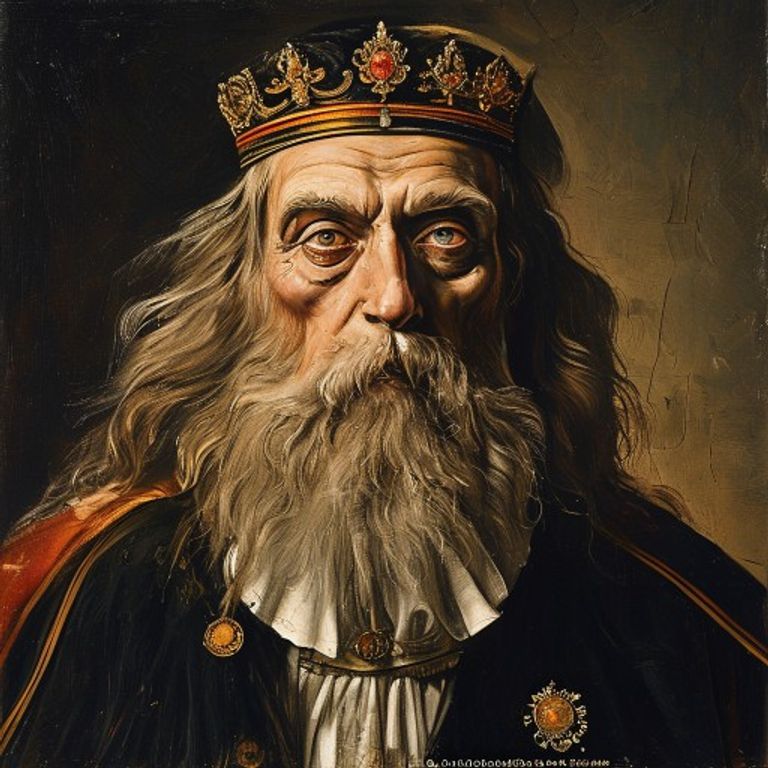
The Enigma of Lord Lucan: A Mystery Shrouding British Nobility
More than half a century has passed since the night of November 7, 1974, and the disappearance of Richard John Bingham, the 7th Earl of Lucan, remains one of the deepest and most intriguing wounds in the underbelly of British aristocracy. Amidst the opulence of Belgravia, London, a brutal crime opened the doors to one of the most persistent enigmas of modern history, fueling speculation, wild theories, and a legacy of uncertainty.
1. The Context and the Incident: Where, When, and How the Mystery Began
On the night of November 7, 1974, the Bingham family mansion at 46 Lower Belgrave Street, London, was the scene of a bloody event. Lady Lucan, Veronica Duncan, was violently attacked in her own home. The assault, described as brutal, left the countess severely injured, with signs of struggle and a head wound. The discovery of the crime, around midnight, initiated a frantic manhunt that, to this day, has not found its resolution.
The main suspect, from the outset, fell upon the victim's own husband, Richard John Bingham, the 7th Earl of Lucan. His absence from the crime scene, coupled with circumstantial evidence and a notoriously troubled marriage, quickly placed him in the spotlight of the police investigation. What followed was a trail of fragmented clues and unanswered questions.
2. Timeline of Events
A chronological reconstruction of the main facts sheds light on the sequence of events that culminated in the Earl's disappearance:
- November 7, 1974, around 9:00 PM: The Earl of Lucan returns to the family mansion on Lower Belgrave Street. He reportedly argued with Lady Lucan.
- November 7, 1974, between 9:00 PM and 12:00 AM: The attack on Lady Lucan occurs.
- November 7, 1974, around 12:05 AM: Lady Lucan, injured, manages to escape the house and seeks help at a nearby pub, claiming she was attacked by her husband.
- November 7, 1974, around 12:30 AM: Police arrive at the residence on Lower Belgrave Street and find the body of Sandra Rivett, the couple's children's nanny, dead in the kitchen. The back door was unlocked, and there were signs of a struggle.
- November 8, 1974: Police begin searching for the Earl of Lucan. His car, a Ford Corsair, is found abandoned near Dover. A New Jersey State Police badge, belonging to a friend of the Earl, is found inside the vehicle, fueling speculation about an international escape.
- 1975: The Earl of Lucan is formally charged with murder. However, his whereabouts remain unknown.
- 1977: An in absentia trial finds the Earl of Lucan guilty of the murder of Sandra Rivett.
3. The Main Theories
Over the decades, various theories have attempted to unravel the mystery of the Earl of Lucan's whereabouts and the events of that fateful night. They range from the most plausible explanations, based on police evidence, to the most speculative:
Police and Most Probable Theories:
- Escape and Suicide: This is the theory most widely accepted by authorities. It suggests that the Earl of Lucan, after committing the crime, fled abroad and, unable to cope with guilt and pursuit, committed suicide. The car abandoned near Dover and reports of sightings in various countries support this hypothesis. Official Scotland Yard reports investigated possible escape routes and suicide locations.
- Escape and New Life: Another variation is that the Earl managed to escape and start a new life under another identity in a foreign country. Several sighting reports in places as diverse as South Africa, Australia, and New Zealand fuel this theory, although no concrete proof has emerged.
Alternative and Conspiracy Theories:
- Third-Party Involvement and Elite Protection: Some speculate that the Earl did not act alone and that influential figures in British society may have orchestrated his escape to protect him. This theory is based on the Earl's alleged ties to the gambling underworld and possible debts that could have led to dangerous involvements. Declassified files have never corroborated this line of investigation.
- Conspiracy to Frame the Earl: A minority of theories suggest that the Earl was the victim of a setup, and that someone else was the real murderer of Sandra Rivett. This hypothesis, however, lacks robust evidence and contrasts with Lady Lucan's testimony.
Paranormal or Exotic Theories:
- Mysterious Disappearance/Unexplained Phenomenon: Although without any scientific basis, some less orthodox theories suggest that the Earl might have disappeared due to unknown forces or some paranormal event. These ideas, naturally, are not supported by formal investigations.
4. Controversies and Blind Spots
The investigation into the Lucan case, despite efforts, was marked by inconsistencies and blind spots that fuel debate to this day:
- Contradictory Physical Evidence: The lack of clear fingerprints of the Earl at the crime scene, the nature of the murder weapon (which was never definitively found), and the possibility that Sandra Rivett was killed by someone else before the Earl's arrival were points of contention.
- Ambiguous Testimonies: Lady Lucan's testimony, while crucial, contained some inconsistencies, possibly due to the trauma she suffered. Furthermore, reports from neighbors about the behavior of other individuals on the street that night were never fully clarified.
- The "Old Friend" Lead: The discovery of a note in the Earl's house mentioning a meeting with an "old friend" and the subsequent disappearance of this friend, a journalist named Michael Prendergast, raised suspicions of a possible accomplice or escape plan. Prendergast, however, denied any involvement and was never formally investigated.
- Fate of the Earl's Money: Reports indicate that the Earl of Lucan had access to significant sums of money. The fate of these sums after his disappearance remains a mystery, which could have financed a prolonged escape.
5. Curiosities and Legacy
The Case of Lord Lucan transcended the annals of criminology to become a pop culture icon, inspiring books, films, and documentaries. The figure of the disappeared aristocrat, involved in a dark crime, captured the public's imagination:
- Cultural Impact: The mystery contributed to the aura of decadence and secrets that sometimes surrounds high society, fueling a lasting fascination with the dark side of British nobility.
- Current Status: Despite being officially declared dead in 2016, for legal purposes, the whereabouts of the 7th Earl of Lucan remain unknown to the public and authorities. The case remains closed, but the hope for a definitive resolution, or even a last glimpse of the Earl, persists in the minds of many.
- Persistent Sightings: Over the years, numerous reports have emerged from people who claimed to have seen the Earl in different parts of the world. Most, however, were dismissed as false identifications or rumors. Scotland Yard periodically revisited some of these leads, but without success in finding concrete evidence.
The enigma of Lord Lucan, with its web of violence, aristocracy, and inexplicable disappearance, continues to challenge curious minds, a grim reminder that some mysteries, even after decades, remain undeciphered, shrouded in a veil of uncertainty.





