



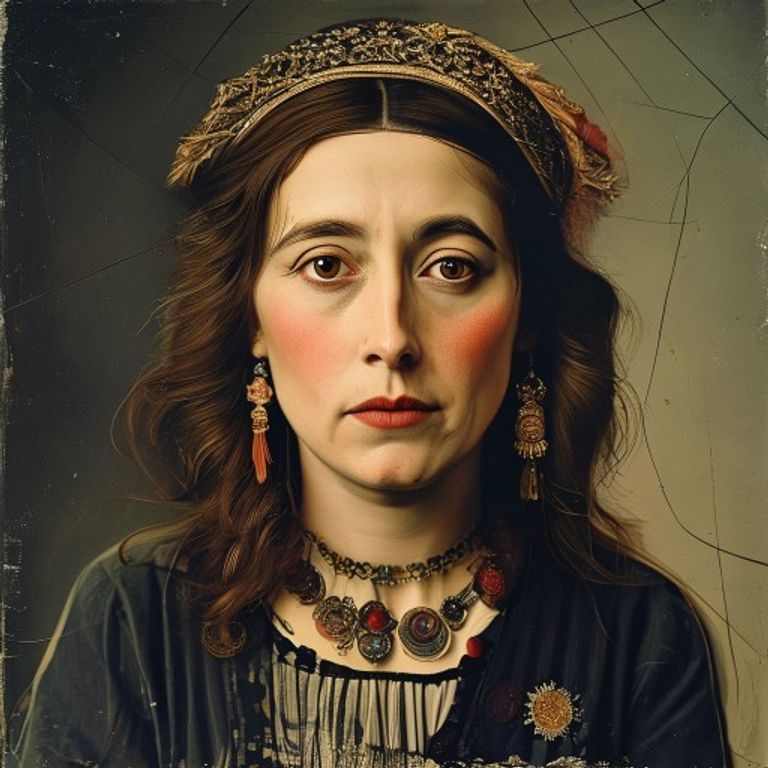
Author: Érico Veríssimo, born in 1905, Cruz Alta (RS), died in 1975, Porto Alegre (RS).
Style: (Modernism 30)
A vast panorama of Gaucho history. It contains the border conflicts. Jesuit missions. Cisplatine wars. Farroupilha and Federalist wars. Arrival of immigrants.
Plot
The Continent I
The Sobrado I - The saga of Gaucho history, with the character José Líprio. The Source - The author goes back in time in search of origins. In the missions of the Seven Peoples with Spanish Jesuits. Refers to the indigenous people of the mission.
The Sobrado II - Back to the besieged manor house, the bitter and suffering lives. Alice, after hours of labor, loses her baby girl.
Ana Terra - Year 1777. The story focuses on the lands on a farm. The passion between Ana and an indigenous man named Pedro. Ana becomes pregnant. The city of Santa Fé was being born.
The Sobrado III - June 25, 1895. Licurgo lives in the manor house, consumed by hatred and rage. His daughter, dead inside a guava box. D. Bibiaba says the girl was fortunate to have died. Because of machismo, A certain Captain Rodrigo Cambará - One day he arrived in Santa Fé on horseback, coming from nowhere anyone knew. A handsome, proud male head held high. Bento Amaral
and Captain Rodrigo fight over Bibiana, who, impressed by him, dreams of marriage. Her father warns that Captain Rodrigo only had a horse, a guitar, and a sword. Nevertheless, she marries him. Anita dies and Rodrigo joins the Farroupilha Revolution. He is killed by the legalists Amarais.
The Sobrado IV - The wind blows and whistles, the manor house remained surrounded.
The Continent II
Teinaguá - Relates the history of Santa Fé, which in 1890 becomes a Village. The manor house was the most ostentatious house (formerly Cambará). Today it belongs to Aguinaldo Silva. The Sobrado V - June 26, 1895.
Licurgo defends Santa Fé from the stolen water of the casarão. The empire fell and the republic was established. It is the Federalist War. This chapter narrates the siege of the manor house and Santa Fé. The War - Sixth month of war - Santa Fé showed signs of decay. The Sobrado VI - June 26, 1895, the manor house surrounded by the Maragatos.
Ismália Caré - The news was that on June 24, 1884, Santa Fé would be elevated, and it is the sacristan who praises the heroes of Santa Fé, after so many battles.
The Sobrado VII - Shouts in the mansion: "White Flag". The war ends. The federalists abandoned their posts, and the republicans entered the municipality.
Fragments
- "She died at a good time. She has to work, suffer, marry, raise children, and wait for her children to go to war. First, they need us, they suckle at our breasts, they wet our laps. Then they grow up, get married, and treat us like an old rag."
(Érico Veríssimo)
Pay Attention
To structure the story, two families are used:
The Terras - represent the profile of the Gaucho, linked to the land.
The Cambarás - represent the political side, proud and brave.
Author: Érico Veríssimo
Year: 1949
Genre: Historical Novel
Synopsis:
"O Continente" (The Continent) is the first installment of Érico Veríssimo's epic trilogy, "O Tempo e o Vento" (Time and the Wind). This monumental work paints a vast fresco of Rio Grande do Sul's history, from its early colonial days to the mid-20th century, through the lives of pioneering families.
The novel is divided into two parts: "O Sobrado" (The Manor House) and "Ana Terra." It traces the origins and development of the region, focusing on themes of land, power, love, and conflict. We follow the fortunes of the Terra family, deeply connected to the land and its traditions, and the Cambará family, representing a more ambitious and political spirit.
Key Characters and Families:
- Ana Terra: A strong and resilient woman who embodies the spirit of the land. Her story is central to the early parts of the novel.
- José Líprio: An ancestor whose life and actions set the stage for the family saga.
- Licurgo Cambará: A complex character whose life is marked by passion, hatred, and a deep connection to his ancestral home.
- Capitão Rodrigo Cambará: A charismatic figure, a "gaúcho" archetype, known for his bravery and romantic entanglements.
- Bibiana Terra: A descendant who continues the family legacy.
Historical Context:
"O Continente" interweaves fictional narratives with actual historical events that shaped Rio Grande do Sul, including:
- The arrival of Jesuit missionaries and their missions.
- The conflicts between Portuguese and Spanish colonial interests.
- The Farroupilha Revolution (Guerra dos Farrapos).
- The Federalist Revolution (Revolução Federalista).
- The arrival of European immigrants.
Themes:
- The Land: The deep and often tumultuous relationship between the people and the land of Rio Grande do Sul.
- Family Saga: The intergenerational stories of love, loss, ambition, and betrayal.
- Identity: The formation of the "gaúcho" identity, shaped by frontier life, cultural influences, and historical struggles.
- Power and Politics: The constant struggle for control and influence over the region's destiny.
- Resilience: The enduring spirit of the people in the face of hardship and conflict.
Literary Style:
Veríssimo employs a rich and evocative prose, characteristic of Brazilian Modernism. He masterfully blends historical accuracy with fictional storytelling, creating characters that are both larger than life and deeply human. The narrative structure often shifts between different time periods and perspectives, reflecting the passage of time and the interconnectedness of generations.
Significance:
"O Continente" is a foundational work in Brazilian literature, essential for understanding the history and culture of Rio Grande do Sul. It is celebrated for its epic scope, its compelling characters, and its profound exploration of the human condition against the backdrop of a nation's formation.





