



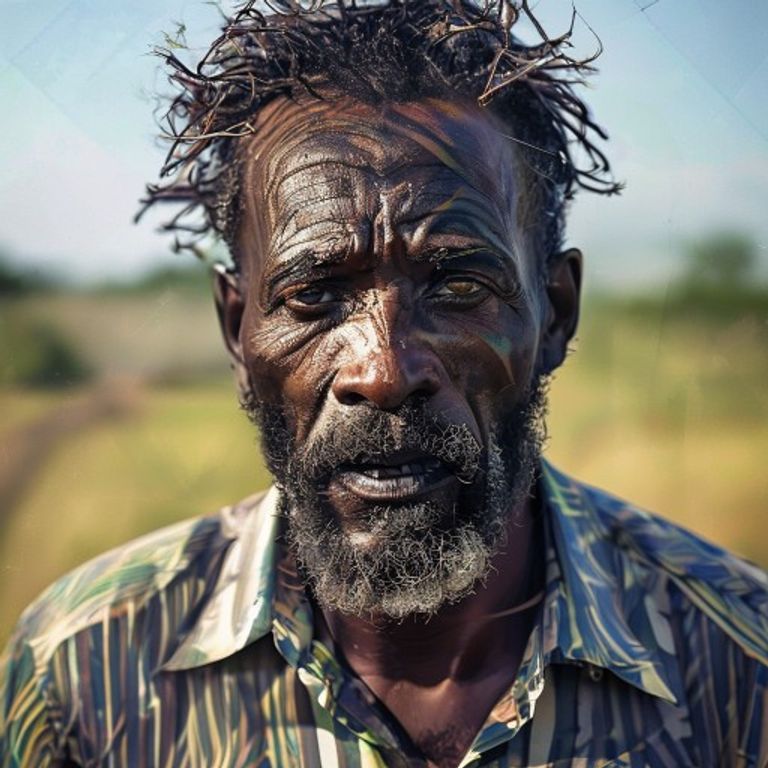
Zimbabwe is home to historical wonders like Great Zimbabwe, the largest ancient stone structure south of the Sahara. Despite economic challenges, the country maintains stunning natural beauty, sharing Victoria Falls with Zambia and offering wildlife-rich parks like Hwange. The Zimbabwean people are known for their resilience, high education, and artistic talent in stone sculpture.
⚠️ Research elaborated with the aid of Deep Research is subject to referential ambiguity.
🖥️Clean HTML code using a proprietary tool.
👥 Research by Guilherme Felipe, Curation by Sílvio Lôbo
The Plural Voice of a Continent: An Analysis of Zimbabwean Literature
Zimbabwean literature, rich and multifaceted, emerges from a vibrant soil, marked by narratives of resistance, identity, and the incessant search for a space of expression. Since the beginnings of its significant literary production, this output has served as a mirror of the nation's social, political, and cultural complexities, offering a deep panorama of the contemporary African experience. As a literary critic and researcher, it is a privilege to delve into the layers of meaning that compose this literary corpus, identifying its pillars, its historical echoes, and the strength of its intrinsic cultural identity.
Roots and Resistance: The Beginnings of Literary Production
Zimbabwean literature, in its modern written form, is intrinsically linked to the colonial period and the subsequent struggle for independence. Before the modern era, robust oral traditions already transmitted stories, myths, and teachings through generations. With the introduction of writing and the dissemination of formal education, early writers began to document these narratives and express their concerns regarding the colonial regime. An important early milestone was the emergence of works in local languages, such as Shona and Ndebele, which allowed for a more authentic and accessible expression for a large part of the population.
However, it was from the second half of the 20th century that Zimbabwean literature began to gain international prominence, driven by the emergence of authors who, through their works, gave voice to aspirations for freedom and justice. Poetry, in particular, played a crucial role during this period, serving as a powerful vehicle for social and political criticism. Works addressing oppression, racial inequality, and the hope for a sovereign future became essential readings.
Giants of the Word: Key Authors and Their Contributions
Zimbabwe's literary landscape is adorned by a constellation of authors whose voices resonate with strength and depth. Among the most prominent are:
- Dambudzo Marechera: Considered by many as the father of modern Zimbabwean literature, Marechera, despite his short life, left an immortal legacy with his experimental and visceral writing. His book The House of Hunger (1978) is a masterpiece that challenges narrative conventions, exploring themes of alienation, poverty, and post-colonial disorientation. His influence is felt to this day through his radical approach and relentless critique of society.
- Tsitsi Dangarembga: One of the most influential female voices, Dangarembga is widely recognized for her trilogy which includes Nervous Conditions (1988), The Book of Not (2006), and This Mournable Body (2018). These works explore the complexities of women's lives in a post-colonial context, addressing issues of gender, education, identity, and the pursuit of autonomy in a patriarchal society marked by instability.
- Charles Mungoshi: With elegant and penetrating prose, Mungoshi addressed in his works the tensions between the traditional and the modern, rural and urban life, and the challenges of cultural identity in post-independence Zimbabwe. His novel Waiting for the Rain (1975) is a notable example of his ability to capture the soul of a people in transition.
- NoViolet Bulawayo: A more recent generation of writers, Bulawayo has achieved international recognition with novels such as We Need New Names (2013), which tells the story of a girl who leaves her homeland to seek a better life, and Glory (2022), a political satire inspired by recent events in the country. Her writing is marked by a fresh perspective and an ability to portray the complex realities of Zimbabwean life with humor and depth.
Literary Movements and Their Historical Marks
Although Zimbabwean literature is not strictly organized into formal literary movements as in other traditions, it is possible to identify trends and influences that have shaped its development:
- Literature of Resistance: During the colonial period and the struggle for independence, literature served as a tool for awareness and mobilization. Poems, short stories, and plays often denounced oppression and exalted the fight for liberation.
- Post-Colonial Realism: After independence in 1980, many writers turned to exploring the realities of the new nation. This period saw the emergence of narratives addressing the challenges of nation-building, persistent social inequalities, the search for a unified identity, and conflicts between tradition and modernity.
- Experimentation and Radical Critique: Authors like Dambudzo Marechera challenged literary conventions, using experimental forms to express post-colonial alienation and disillusionment. This experimental vein also manifests in a scathing critique of power structures and societal failures.
- The New Generation of Voices: Contemporary writers continue to push boundaries, addressing themes of migration, transnational identity, politics, technology, and the diaspora experience, while maintaining a strong link to Zimbabwean issues.
Publications and Platforms for Expression
Throughout its history, several publications have been crucial for the dissemination of Zimbabwean literature:
- Zimbabwe Publishing House (ZPH): One of the country's most important publishing houses, ZPH played a fundamental role in publishing and promoting Zimbabwean authors, both in English and in African languages.
- Literary Magazines and Anthologies: Publications such as Chirimo and various anthologies of short stories and poems have served as important platforms for emerging and established writers to present their work.
- Academic and Journalistic Media: Articles in academic journals and literary criticism in newspapers and websites have played a role in analyzing and critiquing literary production, fostering debate and deepening the understanding of the works.
- Digital Platforms and Social Media: In the digital age, blogs, author websites, and social media platforms have become important channels for the dissemination and discussion of literature, expanding the reach and accessibility of works.
Cultural Identity Reflected in Books
Local cultural identity is the pulsating core of Zimbabwean literature. Through their narratives, authors explore:
- The Complexity of Languages and Dialects: The coexistence of languages such as Shona, Ndebele, and English, as well as the use of regional dialects, enriches the linguistic texture of the works, reflecting the country's cultural diversity.
- Oral Traditions and Myths: The influence of oral traditions is palpable, with many stories incorporating myths, proverbs, and folk tales that provide a deep cultural background and establish a connection with the ancestral past.
- The Relationship with the Land and Environment: The land, agriculture, and the relationship with the natural environment are recurring themes, often portrayed with a sensitivity that reflects the historical and spiritual importance of the rural environment in Zimbabwean life.
- Post-Colonial Struggles and Nation-Building: The experience of colonization, the struggle for independence, and the challenges of building a sovereign nation are central themes that shape Zimbabwean identity and, consequently, its literature.
- Urban Life and the Diaspora: Urbanization and the phenomenon of migration are also explored, with authors portraying the experiences of displacement, the search for opportunities, and the dilemmas of identity in the diaspora.
- Spirituality and Beliefs: Elements of spirituality, traditional beliefs, and sometimes the influence of Christianity permeate the narratives, offering glimpses into the complex spiritual landscapes of Zimbabweans.
In summary, Zimbabwean literature is a testament to the resilience of the human spirit and the capacity of art to capture and shape the deepest experiences of a nation. Its authors, with their distinct voices and powerful narratives, continue to enrich the global literary landscape, offering unique and essential perspectives on the human condition in an ever-changing world.





