



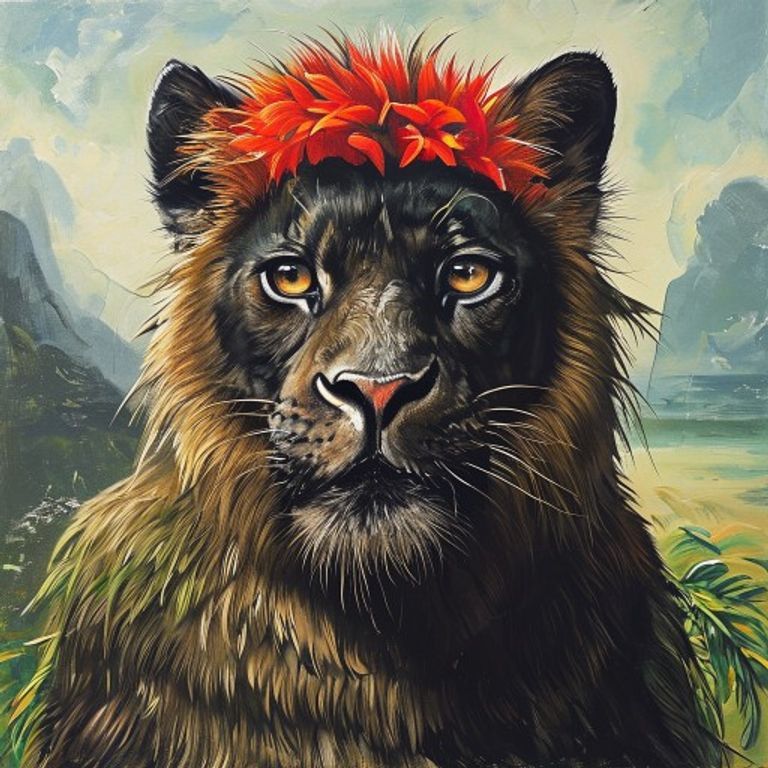
Known as the 'Friendly Islands', Tonga is the only monarchy in the Pacific. The kingdom was never formally colonized, preserving an authentic and hierarchical Polynesian culture. Famous for the production of 'tapa' cloths and for being one of the best places in the world to swim with humpback whales. The country is deeply Christian, rugby is a religion, and the pace of life follows the rhythm of the tides.
⚠️ Research elaborated with the assistance of Deep Research is subject to referential ambiguity.
🖥️Clean HTML code using a proprietary tool.
👥 Research by Guilherme Felipe, Curation by Sílvio Lôbo
The Voice of the Islands: A Critical Look at Tongan Literature
Tongan literature, though less known on the global stage, is a vibrant tapestry of stories that reflect the rich cultural tapestry and unique experiences of the Tongan Islands. Delving into its narratives means uncovering a universe of ancestral traditions, modern influences, and the constant search for identity in a changing world. This essay aims to explore the contours of this literary production, highlighting its main authors, historical movements, significant publications, and, crucially, the local cultural identity that pulses through its pages.
The Pillars of Tongan Writing: Authors and Their Voices
Identifying authors "born or based" in Tonga allows us to have a comprehensive view, recognizing both those whose roots are intrinsically linked to the islands and those who, through their residence or work, have become spokespersons for the Tongan experience. Although the list of prominent authors is constantly growing and often interdisciplinary, some names stand out for their significant contributions:
- Kato Kakala: Frequently cited as one of the pioneers, Kakala has a body of work that explores social and family dynamics in Tonga, often with a nostalgic look at the past and concern for the future. His prose captures the essence of island life, with its celebrations and challenges.
- Dr. Mele Ngau: An academic and literary figure, Ngau has been instrumental in preserving and promoting Tongan culture through her writings. Her research and essays often intertwine with literary elements, offering a scholarly and profound perspective on Tongan identity.
- Niusila Fale: Representing a younger generation of writers, Fale brings a contemporary approach, addressing themes such as migration, the influence of technology, and the complex relationships between traditional culture and global values. Her work is a reflection of modern Tonga.
- Oral Poetry and Contemporary Writers: It is important to note that oral tradition, with its kava ceremonies and ancestral chants, is the foundation upon which Tongan writing is built. Many modern poems and stories still resonate with this musicality and rhythm, even when written.
Movements and Historical Contexts of Tongan Literature
Tongan literature did not develop in a vacuum but rather in response to specific historical and social contexts. Although there are no formal and rigidly defined literary movements as in other traditions, we can identify phases and trends:
- The Oral and Missionary Legacy: Before formal writing, the transmission of knowledge and stories was predominantly oral. The arrival of missionaries in the 19th century introduced writing and publishing, initially focused on religious texts and gradually on secular and folkloric narratives.
- Post-Independence and Cultural Affirmation: After independence in 1970, there was a resurgence of interest in cultural and historical themes. Literature began to explore Tongan identity in an autonomous national context, questioning external influences and celebrating traditions.
- Contemporary Literature and Globalization: In more recent times, Tongan literature reflects the realities of globalization, climate change, and concerns about the sustainability of the islands. There is a growing formal and thematic experimentation, with authors engaging with international audiences.
Important Publications and Dialogue with the World
The dissemination of Tongan literature, although challenging due to resources and infrastructure, has been driven by some notable publications and initiatives:
- "The Friendly Island Chronicle": This periodical, while not strictly literary, has been an important space for the publication of short stories, poems, and articles addressing life in Tonga, serving as an initial platform for many writers.
- Academic Editions and Anthologies: Academic institutions and cultural organizations have played a crucial role in compiling and publishing anthologies of Tongan short stories, poems, and plays, often in English to reach a wider audience.
- Digital Platforms and Online Magazines: With the advent of the internet, various digital platforms and online magazines have emerged, offering a more accessible space for Tongan writers to share their work, bypassing the limitations of physical publishers.
- International Collaborations: Tongan literature benefits from collaborations with international publishers and literary programs, which help translate and promote authors and their works to a global audience.
The Tongan Soul in Words: Cultural Identity Reflected in Books
Tongan cultural identity is the common thread that unites the diverse literary manifestations. In its pages, we find:
- The Value of Family and Community: The fale (family) and the community (kainga) are central pillars. Narratives often explore family ties, intergenerational responsibilities, and the importance of mutual support.
- Connection to Land and Sea: The islands, the ocean, and nature are more than settings; they are living characters. The intrinsic relationship with the natural environment, fishing, agriculture, and associated beliefs are recurring themes.
- Traditions, Rituals, and Beliefs: Traditional ceremonies, such as the kava ceremony, rites of passage, spiritual beliefs, and ancestral mythology, shape worldviews and provide a rich repertoire for stories.
- Struggle and Adaptation: Tongan literature does not shy away from challenges. Resilience in the face of natural disasters, the complexities of migration, and the search for a place in the modern world while maintaining roots are recurring themes that highlight the strength and adaptability of the Tongan people.
- The "Tau'olunga" and Artistic Expression: Artistic expression, whether through dance, song, or poetry, is intrinsically linked to identity. The tau'olunga, for example, a form of dance performed by women, is often evoked as a symbol of Tongan beauty, grace, and history.
In summary, Tongan literature is a living testament to the soul of an island people. Its authors, with their distinct voices, weave narratives that honor the past, navigate the present, and glimpse the future, always anchored in the rich and vibrant cultural identity that defines Tonga.





