



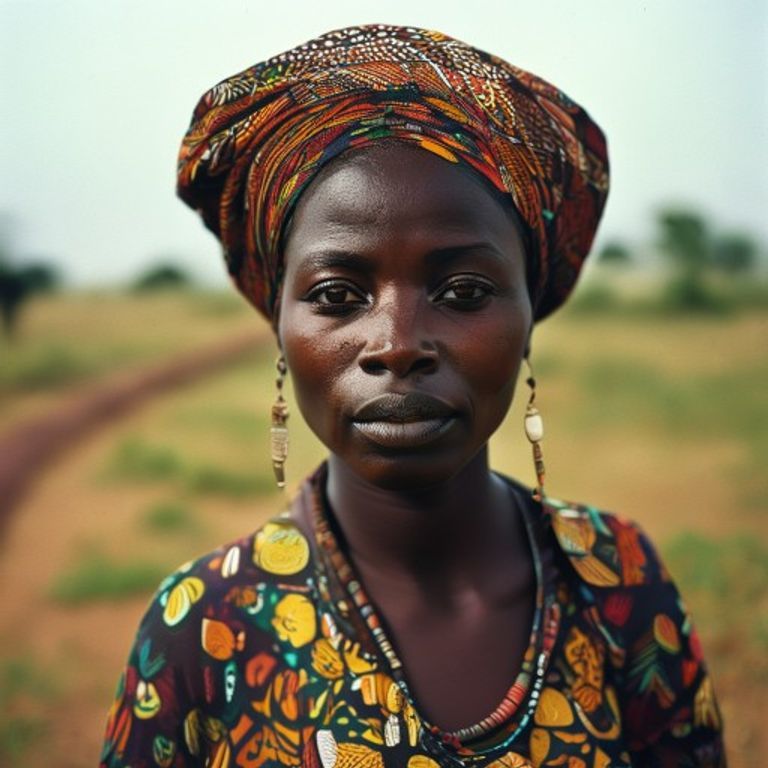
Known for its 'Teranga' (hospitality), Senegal is a cultural hub in West Africa, famous for its mbalax music and Gorée Island, a memorial to the slave trade. With a stable democracy, the country boasts a vibrant atmosphere, especially in Dakar. Its landscapes range from the desert in the north to the mangroves of the Saloum Delta and tropical beaches.
⚠️ Research elaborated with the aid of Deep Research is subject to referential ambiguity.
🖥️Clean HTML code using a proprietary tool.
👥 Research by Guilherme Felipe, Curation by Sílvio Lôbo
The Senegalese Soul in Words: A Dive into Senegal's Literature
Senegal, a vibrant country on the west coast of Africa, boasts a rich and multifaceted literary tradition, mirroring its own cultural and historical complexity. From ancestral oral narratives to intricate contemporary prose, Senegalese literature has been a beacon, illuminating national identity, social challenges, aspirations, and a deep connection to African roots, while simultaneously engaging with the world.
Pioneers and the Awakening of National Consciousness
The Négritude movement, with its roots in Paris, was a fundamental milestone for the development of Francophone African literature, and Senegal stands as one of its strongholds. Senghor, a poet, statesman, and philosopher, is the seminal figure, whose work celebrated African heritage and promoted Black dignity and pride. His verses, imbued with lyricism and a profound sense of belonging, not only resonated in Senegal but echoed across the continent and the diaspora.
Other authors of that era, such as Léopold Sédar Senghor, though within the broader context of Négritude, shaped the Senegalese imagination. Senghor's poetry often evokes the land, spirituality, and natural beauty of Senegal, merging it with a reflection on the human condition.
The Great Novelist: Léopold Sédar Senghor
Although Senghor is best known as a poet and politician, his literary work is undeniably crucial. His poems, in collections like Chants d'ombre (Songs of Shadow) and Hosties noires (Black Hosts), offer an intimate glimpse into his vision of African identity and the role of art in building a new consciousness.
Prose That Questions and Reveals
Senegalese literature transcended the lyricism of Négritude to embrace the complexity of modern life through prose. Ousmane Sembène, often hailed as the "father of African cinema," is a towering figure in Senegalese literature. His novels, such as The Black Girl (originally La Noire de...) and Xala, are poignant accounts of life under colonialism and its aftermath, of social injustices, corruption, and the struggle for dignity. Sembène used writing as a tool for awareness and social critique, breaking down stereotypes and giving voice to the marginalized.
Other important novelists include:
- Cheikh Hamidou Kane, with his seminal Ambiguous Adventure (originally L'Aventure ambiguë), which explores cultural shock and the search for identity in a world in transition.
- Aminata Sow Fall, whose works like The Beggar's Strike (originally L'Apprentissage de la solitude) address themes such as tradition, modernity, and the condition of Senegalese women, often with an ironic and insightful perspective.
- Mariama Ba, whose work So Long a Letter (originally Une si longue lettre) is a landmark in African women's literature, offering a profound critique of polygamous marriage and the oppression of women in a patriarchal society.
Important Movements and Publications
Beyond Négritude, Senegalese literature has been marked by a constant dialogue between tradition and modernity. The post-independence period saw a flourishing of local publishing houses and literary magazines that provided a platform for new voices. Publications like the journal "Présence Africaine" (though broader in scope, it was fundamental for Senegalese authors) and, later, publishing houses like "Nouvelles Éditions Africaines du Sénégal" (NEAS) played a crucial role in disseminating national literary production.
Anthologies of short stories and poems have also been important in showcasing a diverse range of emerging talents, reflecting the richness of oral tradition and formal innovation. Literary salons and festivals, such as the Festival Mondial des Arts Nègres, have always been vital spaces for the exchange of ideas and the strengthening of the literary community.
Cultural Identity Reflected in Books
Senegalese cultural identity is one of the central pillars of its literary output. Books frequently explore:
- The Relationship with the Past: Historical heritage, the impact of colonialism, and the preservation of traditions are recurring themes. The search for an authentic African "self" in a globalized world is a constant concern.
- The Complexity of Religion: Islam, a predominant religion in Senegal, often appears in narratives, not just as a belief system, but as a cultural and social element that shapes lives and decisions.
- Urban and Rural Life: The tension and coexistence between the dynamics of city life, such as Dakar, and the wisdom of rural communities are explored, revealing social changes and adaptation challenges.
- The Strength of Family and Community: Family ties, community responsibilities, and traditional social structures are recurring themes, highlighting the importance of the collective over the individual.
- The Condition of Women: The struggle for emancipation, gender roles, motherhood, and the complexities of family relationships from a female perspective are addressed with depth and nuance, especially in the works of Senegalese female authors.
- Language and Orality: The influence of oral tradition on writing, the incorporation of proverbs, tales, and popular sayings, and the relationship with French as a language of expression are intrinsic aspects of Senegalese literature.
In summary, Senegalese literature is a vibrant mosaic, woven with the threads of history, culture, spirituality, and the daily struggles of a people. Its authors, with their distinct and powerful voices, continue to shape and enrich the African and global literary landscape, offering profound reflections on what it means to be Senegalese in a constantly changing world.





