



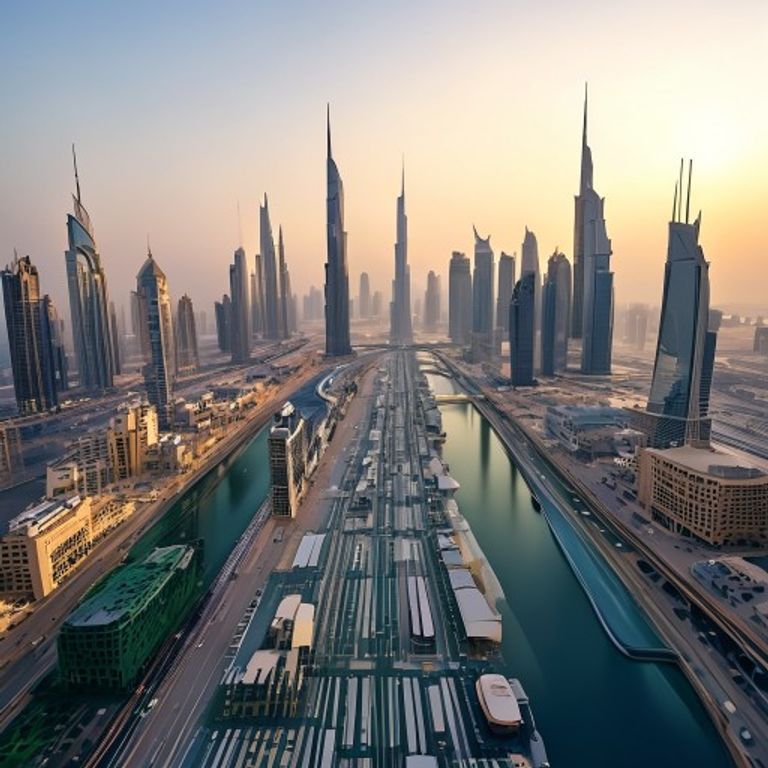
One of the world's richest countries per capita due to natural gas, Qatar has projected itself globally by hosting the World Cup and acting as a diplomatic mediator. Doha, the capital, showcases modern Islamic architecture and world-class museums. The nation invests heavily in education and art (Al Jazeera, Qatar Foundation), while maintaining conservative and religious roots.
⚠️ Research elaborated with the assistance of Deep Research is subject to referential ambiguity.
🖥️Clean HTML code using a proprietary tool.
👥Research by Guilherme Felipe, Curation by Sílvio Lôbo
The Voice of the Desert: Exploring Qatari Literature
Qatar, a country synonymous with modernity and progress, also boasts a rich and evolving literary tradition, reflecting the soul of a nation shaped by history, ancestral Bedouin culture, and its meteoric rise on the global stage. As a literary critic and researcher, delving into Qatari literary production is to uncover a complex mosaic of identities, traditions, and aspirations.
Roots and Resistance: Historical Literary Movements
Qatari literature, in its oldest manifestations, finds its roots in oral tradition: epic poems, folk songs, and tales passed down through generations. Poetry, in particular, played a crucial role in preserving cultural identity during times of social and political change. The 20th century marked the beginning of formal writing and the circulation of printed literary works. While it's not possible to speak of literary movements as clearly defined as in other cultures with longer writing histories, literary production has been driven by a growing desire to express national sentiment, revisit the past, and engage with the present.
The post-independence period of Qatar, in 1971, was a catalyst for the emergence of a stronger literary consciousness. Authors began to explore themes such as the transition from a traditional society to a modern metropolis, the impact of oil discovery, and the clash between old values and new Western influences. Arabic poetry continues to be a prominent art form, often addressing issues of love, homeland, faith, and the complexities of life in the Gulf.
Literary Voices: Key Authors Born or Based in Qatar
Contemporary Qatari literature is marked by the emergence of talented voices seeking to explore cultural identity in its multiple facets. Although the literary scene is still developing and many works have not yet achieved wide international circulation, some names stand out:
- Sheikha Al-Misnad: A prominent figure, her work often delves into family traditions and the lives of women in Qatar, offering an intimate look at customs and social changes. Her short stories and novels are essential for understanding the female perspective in Qatari literature.
- Abdullah Al-Mohannadi: Known for his poetry and prose, Al-Mohannadi addresses existential and social themes, reflecting the concerns of Qatari youth and the modernization process.
- Noura Al-Nasser: A writer whose works explore interpersonal relationships, the challenges of urban life, and the search for meaning in a rapidly changing world.
- Fahad Al-Nuaimi: Although better known for his work in other areas, Al-Nuaimi has contributed to literature with his reflections on Qatari society and culture.
It is important to note that many Qatari authors initially publish in Arabic, and translation into other languages is an ongoing process that contributes to the visibility of their works in an international context.
Literary Publications and Platforms
The literary ecosystem in Qatar, while growing, has benefited from the support of various institutions and publications:
- Literary and Cultural Magazines: Publications such as the magazine "Al-Fikr Al-Arabi" (Arab Thought) and other editorial initiatives have been important platforms for showcasing new talent and literary debates.
- Local Publishers: The emergence and strengthening of local publishing houses have been crucial in giving voice to Qatari writers, publishing novels, short story collections, and poetry volumes.
- Literary Festivals and Conferences: Events like the Doha International Book Fair and other conferences promote cultural exchange, connect authors with readers, and provide visibility to literary production.
- Digital Initiatives: The rise of the internet and social media has also provided new platforms for independent writers, allowing for the publication and dissemination of their works more directly.
Cultural Identity in Focus: Qatar's Reflection in Books
Cultural identity is at the heart of Qatari literary production. Books serve as a mirror in which society sees itself, questions itself, and reinvents itself. We can observe several recurring elements:
- Bedouin Heritage: Desert life, hospitality, codes of honor, and ancestral traditions are frequently evoked, serving as a counterpoint to modernity and a reminder of the nation's deep roots.
- Modernization and its Consequences: Rapid economic development and urbanization have brought challenges. Literature explores the conflict between traditional values and global influences, adaptation to a new way of life, and the search for balance.
- Family and Social Relationships: Family structure, gender roles, community ties, and the complexities of social interactions are recurring themes, offering a vivid portrayal of the Qatari social fabric.
- Faith and Spirituality: Islam and faith permeate life in Qatar and, consequently, literature, often expressed through reflections on morality, destiny, and the search for a higher purpose.
- Diversity and Globalization: With the influx of expatriates and increasing interaction with the world, Qatari literature is beginning to reflect this diversity, addressing the complexities of coexistence and new cultural dynamics.
In summary, Qatari literature is a vibrant tapestry that, while still weaving its broader narratives, already demonstrates the capacity to express the soul of a nation in transition. It is a literature that honors the past, engages with the present, and envisions the future, inviting the reader to a deep immersion in the unique culture of the emirate.





