



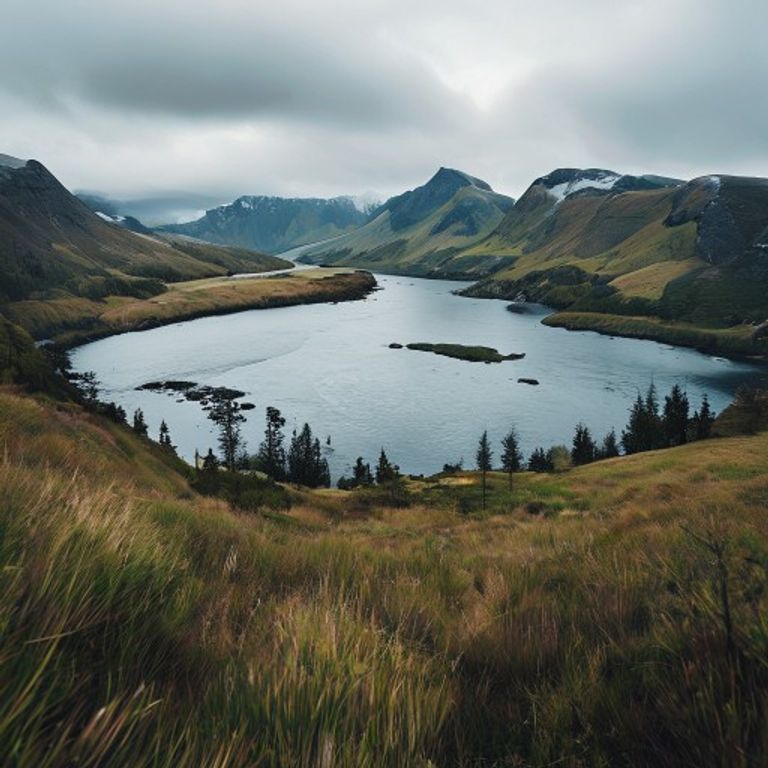
One of the world's wealthiest nations thanks to sustainably managed oil, Norway impresses with its dramatic fjords and northern lights. A land of polar explorers and Viking heritage, it's a paradise for nature lovers. The country promotes peace (it hosts the Nobel Peace Prize) and boasts a very high standard of living, where the outdoors ('Friluftsliv') is sacred.
⚠️ Research conducted with the aid of Deep Research is subject to referential ambiguity.
🖥️Clean HTML code using a proprietary tool.
👥 Research by Guilherme Felipe, Curation by Sílvio Lôbo
The Icy Soul and Eternal Light: A Critical Look at Norwegian Literature
Norway, a land of imposing fjords, dancing auroras, and a history deeply rooted in resilience against the elements, offers fertile ground for literary exploration. Norwegian literary production, while perhaps not having the same global visibility as other European nations, is marked by profound introspection, an unwavering connection to nature, and a constant exploration of Scandinavian cultural identity. This essay aims to explore the contours of this rich literary tapestry, focusing on its central authors, historical movements, seminal works, and how the Norwegian soul is reflected in its pages.
Giants of the Pen: Authors Who Shaped Norwegian Literature
Norway is blessed with a lineage of writers whose works transcend borders and time. At the pinnacle of this literary pantheon, we find:
- Henrik Ibsen (1828-1906): Considered the father of modern drama, Ibsen revolutionized theater with his plays that explored the complexities of human psychology, social conventions, and bourgeois hypocrisy. Titles like A Doll's House, Ghosts, and Peer Gynt continue to be staged and studied worldwide, revealing the universality of his themes. His writing is marked by penetrating realism and strong female characters who challenged the norms of their time.
- Knut Hamsun (1859-1952): Nobel laureate in Literature in 1920, Hamsun is known for his introspective style and his exploration of the human psyche, often in a state of alienation and suffering. Works like Hunger and Vagabonds are landmarks of literary modernism, with their fluid prose and deep dives into the minds of their protagonists. His work also carries controversy due to his sympathies with Nazism, but his literary legacy is undeniable.
- Sigrid Undset (1882-1949): Another Nobel laureate in Literature (1928), Undset is celebrated for her historical novels, particularly the trilogy Kristin Lavransdatter, which offers a vivid portrayal of medieval Norway and the life of a strong woman in a challenging period. Her novels are characterized by deep historical research, complex characters, and an exploration of faith and destiny.
- Tarjei Vesaas (1897-1970): One of the most important names in 20th-century Norwegian literature, Vesaas is known for his lyrical prose and his ability to capture the atmosphere and emotions in isolated landscapes. The Great Game and The Birds are examples of his work, where nature becomes almost a character, reflecting the states of mind of his protagonists.
- Herbjørg Wassmo (born 1942): A contemporary author of great relevance, Wassmo, born in a remote region of northern Norway, is known for her work that often addresses themes of isolation, female resilience, and the scars left by trauma. The Tora trilogy is a powerful example of her writing, which captures the harshness of life in the far north and the unyielding strength of the human spirit.
- Karl Ove Knausgård (born 1968): A recent literary phenomenon, Knausgård gained worldwide fame with his six-volume autobiographical series, Min Kamp (My Struggle). His raw and unadorned prose, which documents everyday life with meticulous detail, sparked a heated debate about the boundaries between fiction and reality and the nature of personal identity.
Literary Movements and Historical Currents
Norwegian literature has been shaped by various movements and currents, reflecting the country's social and political changes:
- National Romanticism: In the 19th century, parallel to the pursuit of political independence, there was a strong movement to valorize Norwegian culture and history. Authors like Henrik Wergeland and Bjørnstjerne Bjørnson were prominent figures, exploring folkloric and mythological themes and the beauty of the Norwegian landscape. Bjørnson, in particular, is known for his rural novels and short stories that celebrated the Norwegian peasant.
- Realism and Naturalism: Influenced by European realism, authors like Ibsen and Hamsun began to portray society with greater objectivity, addressing social, psychological, and biological themes. The focus shifted from romantic idealizations to the difficulties of everyday life and the complexities of the human mind.
- Modernism: The 20th century saw the emergence of authors like Vesaas, who explored new forms of literary expression, with a greater focus on subjectivity, experimental language, and the exploration of the unconscious. The influence of world wars and social transformations was also felt.
- Contemporary Literature: Contemporary Norway produces diverse literature that continues to explore the relationship with nature, cultural identity, and the challenges of globalization. Authors like Knausgård, Wassmo, and others explore intimate, social, and existential themes with a variety of styles and approaches.
Publications and Literary Milestones
Several publications have been crucial for the dissemination and development of Norwegian literature:
- Works by Ibsen and Hamsun: As mentioned, their plays and novels are pillars of world and Norwegian literature.
- Kristin Lavransdatter by Sigrid Undset: This monumental work is a milestone of historical literature and a vivid portrait of medieval Norway.
- Min Kamp by Karl Ove Knausgård: The autobiographical series revitalized interest in Norwegian literature on the international stage.
- Literary Magazines: Throughout history, magazines like Samtiden and Vinduet have played a vital role in publishing new talents and promoting literary debate.
Norwegian Cultural Identity Reflected in Books
Norwegian cultural identity is an inseparable thread in its literature. Several elements stand out:
- Connection with Nature: The Norwegian landscape, with its grandeur and implacable power, is often more than just a backdrop. It shapes the characters' personalities, influences their moods, and reflects their internal struggles. The isolation provided by the vast expanses of land and sea encourages introspection and self-awareness.
- Resilience and Pragmatism: Norway's history, marked by harsh winters, long winters, and long periods of hardship, has forged a sense of resilience and pragmatism that manifests in its characters. There is an admiration for inner strength and the ability to persevere in the face of adversity.
- The Role of Community and Isolation: While community and family ties are valued, isolation, both geographical and emotional, is a recurring theme. Literature explores the tensions between the need for connection and the tendency towards solitude.
- Exploration of the Soul and Mind: Driven by authors like Hamsun and Vesaas, Norwegian literature stands out for the depth with which it explores the human psyche, internal conflicts, existential anguish, and the search for meaning in a complex world.
- A Sense of Unease and Disquiet: Despite the apparent tranquility of its landscapes, many Norwegian authors insist on a subtext of unease and disquiet. There is a constant questioning of the nature of happiness, the passage of time, and the fragility of existence.
In summary, Norwegian literature is a complex and multifaceted mirror of a nation that, in its austere beauty and deep traditions, finds the seeds for narratives of great impact and relevance. From Ibsen's intimate drama to Knausgård's raw introspection, the Norwegian soul, between the cold of its landscape and the light of its intellect, continues to shine with a singular intensity on the global literary scene.





