



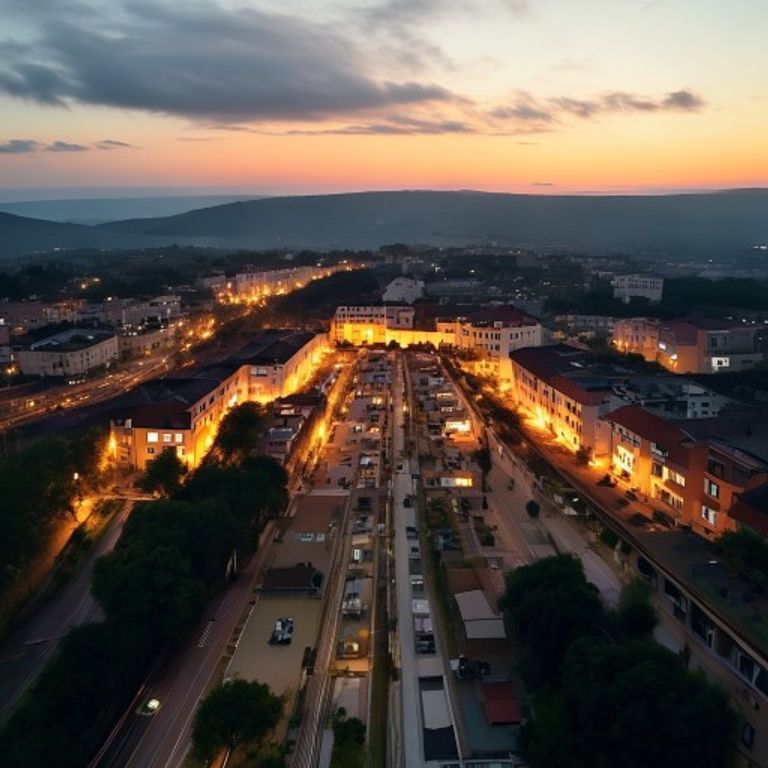
The largest of the Baltic nations, Lithuania was once a great European power (Grand Duchy). The country is fervent about basketball (its second religion) and has a history of Catholic resistance, symbolized by the Hill of Crosses. Vilnius, the baroque capital, is vibrant and artistic. The nation is known for its amber production and for a proud and independent national identity.
⚠️ Research elaborated with the help of Deep Research is subject to referential ambiguity.
🖥️Clean HTML code using a proprietary tool.
👥 Research by Guilherme Felipe, Curation by Sílvio Lôbo
A Critical Look at Lithuanian Literature: Echoes of a Resilient Identity
Lithuania, a nation with a rich and often tumultuous history, possesses a literature that reflects its soul, forged in periods of independence and oppression, tradition and modernity. As a literary critic and researcher, delving into Lithuanian literary production is to uncover a mosaic of voices that capture the essence of a resilient people deeply connected to their land and history.
Roots and Flourishing: Historical Literary Movements
Lithuanian literature, in its modern form, began to take shape in the 19th century, a crucial period for the formation of national identity.
- The National Renaissance (19th century): This movement was fundamental to the preservation and revitalization of the Lithuanian language, which faced pressure to be suppressed. Poets like Antanas Baranauskas, with his epic poem "The Forest of Anykščiai" (Anykščių šilelis), evoked the natural beauty and grandeur of Lithuania, awakening a sense of national pride. Maironis, another emblematic poet, whose works conveyed patriotic fervor, became a symbol of the struggle for independence.
- Modernism (Early 20th century): With independence achieved in 1918, Lithuanian literature embraced new forms and themes. Modernism brought formal experimentation and a deeper exploration of the human psyche. Authors like Vincas Krėvė-Mickevičius, with his works blending folklore and realism, and Ignas Šeinius, with his novel "Regret" (Skausmas), which addressed moral and existential dilemmas, marked this era.
- Literature of the Soviet Period (1940-1990): Under Soviet occupation, Lithuanian literature faced significant challenges. Many writers were exiled, imprisoned, or forced to produce works within ideological parameters. However, even in this context, voices of resistance emerged, and works that, subtly or explicitly, kept the flame of Lithuanian identity alive. Authors like Salomėja Nėris, in her lyrical poems, and Vytautas Mačernis, with his philosophical poetry, managed, at times, to weave veiled criticisms and express the yearning for freedom.
- The Post-Independence Era (1990-Present): With the restoration of independence, Lithuanian literature experienced a vibrant renaissance. Freedom of expression allowed for the exploration of previously taboo themes, experimentation with new genres, and connection with global literary trends.
Notable Voices: Key Authors and Their Contributions
Lithuania has gifted the world with a constellation of literary talents.
- Kristijonas Donelaitis (1706-1780): Considered the father of Lithuanian poetry, his epic poem "The Seasons of the Year" (Metai) is a masterpiece describing rural life, traditions, and the deep connection of the Lithuanian people with nature. It is a testament to the beauty and simplicity of peasant life.
- Juozas Tumas-Vaižgantas (1869-1933): A literary critic, writer, and key figure of the National Renaissance. His fiction and essays deeply analyzed Lithuanian society, its virtues and vices, playing a crucial role in shaping national consciousness.
- Žemaitė (1845-1921): One of the most important writers of the National Renaissance period, known for her realistic short stories depicting the lives of peasant women, their struggles, and their resilience. Her raw and authentic prose captured the social reality of the time.
- Sigitas Geda (1943-2018): An influential postmodern poet whose works explored memory, history, and language with originality and depth. His poetry is marked by a unique musicality and an ability to evoke powerful imagery.
- Rūta Šerpytytė (born 1970): One of the most prominent contemporary voices, known for her novels that investigate the complexities of identity, historical wounds, and interpersonal relationships. Her writing is incisive and emotionally resonant.
- Marius Ivaškevičius (born 1973): A playwright and novelist, Ivaškevičius addresses themes of national identity, collective memory, and the dilemmas of modern man in a constantly changing world. His plays and novels often provoke reflection and debate.
Publications and Literary Media
Throughout its history, literary publications in Lithuania have been crucial for the dissemination of ideas and the formation of a reading public.
- Literary Magazines: Since the 19th century, magazines like "Aušra" (Dawn) and later "Naujoji Romuva" (New Rome) played a vital role in promoting literature, culture, and critical thinking. These publications were platforms for new talents and for the debate of ideas.
- Historical and Contemporary Publishers: Publishers like "Vaga" (founded in 1945) played a central role in publishing literary works during the Soviet period. Currently, publishers like "Lietuvos Rašytojų Sąjungos Leidykla" (Lithuanian Writers' Union Publishers) continue to be pillars of editorial production, publishing both classics and new works.
- Literary Awards: Lithuania has several literary awards that recognize and encourage excellence in writing, such as the Jonas Marcinkevičius Literary Prize and the Lithuanian Literary Prize.
Cultural Identity Reflected in Books
Lithuanian literature is a mirror of its cultural identity, marked by a deep connection to the land, nature, and a history of struggle and resilience.
- The Connection with Nature: From Baranauskas's poems to contemporary novels, the Lithuanian landscape – its forests, rivers, and fields – is often a character in itself. This representation is not merely descriptive but also imbued with symbolic meaning, representing the nation's strength and purity.
- Historical Memory and the Struggle for Independence: Lithuania's history, with its periods of occupation and constant battle for identity preservation, is a recurring theme. Authors explore the scars left by wars, deportations, and cultural suppression, using literature as a means to process the past and reaffirm cultural sovereignty.
- Folklore and Traditions: Elements of Lithuanian folklore, such as myths, legends, and traditional practices, are often incorporated into literature, enriching narratives and keeping cultural roots alive.
- Resilience and the Human Spirit: The Lithuanian people's ability to persevere in the face of adversity is a common thread in many works. Literature celebrates inner strength, hope, and the determination to rebuild and thrive.
- The Search for Identity in Modernity: Contemporary authors grapple with the challenges of globalization and modernity, exploring how Lithuanian identity manifests and adapts in a constantly shifting world, questioning what it means to be Lithuanian in the 21st century.
In summary, Lithuanian literature is a vibrant testament to a people who, through words, have resisted assimilation, celebrated their uniqueness, and narrated their journey. It is a literature that invites reflection, moves with its authenticity, and reveals the depth of a culture rooted in history but firmly oriented towards the future.





