



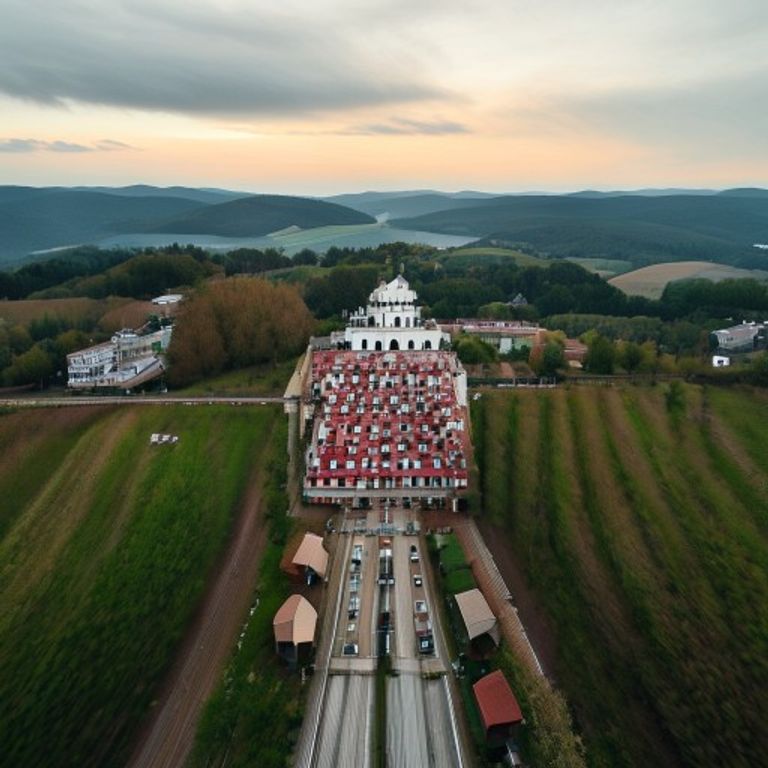
A jewel of the Baltics, Latvia stands out for its Art Nouveau architecture in Riga and its vast white sand beaches. The country has a deep connection with nature and pagan folklore, celebrated during the summer solstice (Jāņi). With a history of occupation and resistance, the nation prides itself on its singing culture and rapid modern development.
⚠️ Research elaborated with the aid of Deep Research is subject to referential ambiguity.
🖥️Clean HTML code using a proprietary tool.
👥 Research by Guilherme Felipe, Curation by Sílvio Lôbo
The Soul of Latvia in Words: A Journey Through National Literature
Latvian literature, in its essence, is a vivid mirror of the resilience, cultural richness, and complex historical experiences of a nation shaped by centuries of occupations and struggles for identity. From the beginnings of writing to contemporary voices, Latvia's literary production offers a fascinating panorama of a national soul expressed in words, exploring universal themes through a distinctly Baltic perspective.
Roots and Flourishing: The Beginnings of Latvian Literature
The origins of Latvian literature are intrinsically linked to Christianization and the need to disseminate religious texts. The first writings in Latvian, mostly translations and sermons, date back to the 16th century. However, it was in the 19th century that Latvian literature experienced significant flourishing, driven by the Latvian National Renaissance. This movement sought to assert Latvian cultural and linguistic identity, previously suppressed by Germanization and Russification. Poets and writers of this era used the national language as a tool of resistance and for building a sense of belonging.
Giants of the Word: Key Authors and Their Works
Several authors have shaped and continue to shape the Latvian literary landscape. Among the most emblematic names are:
- Rainis (Jānis Rainis): Considered the father of modern Latvian literature, Rainis was a poet, playwright, and political activist. His work, deeply rooted in Latvian folklore and mythology, addresses themes of freedom, social justice, and national identity. Plays like Indulis un Ārija and poems like Vētras spārni (The Wings of the Storm) are unmissable landmarks.
- Aspazija (Elza Rozenberga): Rainis's wife and also a central figure of the National Renaissance, Aspazija was a poet and playwright with a strong voice in defense of women's rights and social emancipation. Her poetry is lyrical and emotional, exploring the complexities of love, family, and inner life.
- Rūdolfs Blaumanis: A prolific short story writer and playwright, Blaumanis is known for his realistic depictions of peasant life and Latvian society in the late 19th century. His works, such as the novella Nāves ēnā (In the Shadow of Death), offer a glimpse into the harsh reality and aspirations of the Latvian people.
- Jānis Poruks: A poet and writer, Poruks is admired for his introspective lyricism and his reflections on the human condition, madness, and the search for transcendence. His poems, often filled with melancholy, resonate with deep sensitivity.
- Vizma Belševica: One of the most important female voices in 20th-century Latvian literature, Belševica addressed themes such as Soviet repression, memory, family, and nature in her powerful and moving poetry.
- Imants Ziedonis: A poet and author of children's works, Ziedonis is beloved for his linguistic creativity, his humor, and his ability to capture the essence of the natural world and Latvian culture in an accessible and profound way. His poems are often set to music and are part of the collective imagination.
- Andris Akmentiņš: One of the prominent names in contemporary literature, Akmentiņš often explores the complexities of Latvian identity in the context of globalization and recent history, with engaging narratives and multifaceted characters.
Literary Movements and Their Marks
Throughout its history, Latvian literature has been influenced by various movements, adapting them to its reality:
- National Romanticism: As mentioned, this 19th-century movement was crucial for asserting the Latvian language and culture, emphasizing folklore, mythology, and nature as pillars of identity.
- Modernism: The early 20th century saw the emergence of modernist trends, with formal experimentation, exploration of subjectivity, and new thematic approaches, often in response to rapid social and political changes.
- Literature of the Soviet Era: During the Soviet occupation, literature was heavily censored and used as a propaganda tool. However, even in this context, authors found ways to express, subtly or directly, the yearning for freedom and the preservation of national identity. Exile literature also flourished during this period.
- Contemporary Literature: After the restoration of independence, Latvian literature has been characterized by a diversity of styles and themes, addressing everything from the scars of the past to the existential and social issues of the present, with greater openness to international influences and experimentation.
The Echo of Cultural Identity
Latvian cultural identity is an undeniable thread running through its literature. The deep connection with nature, with its forests, rivers, and the Baltic Sea, is an inexhaustible source of inspiration and symbolism. Traditions, songs, and dances (including the National Song and Dance Festival, a UNESCO Intangible Heritage), and the rich folklore heritage (tautasdziesmas) permeate many works, giving them unparalleled authenticity.
Resilience in the face of historical adversity – occupations, exiles, repression – is another recurring theme. The struggle to preserve language, culture, and national sovereignty is an element that unites generations of writers and deeply resonates with readers.
Furthermore, Latvian literature often reflects on transience and memory, exploring how the past shapes the present and how future generations deal with the legacy of their predecessors. The relationship with the outside world, external influences, and the search for a place on the global stage are also increasingly present themes in contemporary literature.
Important Publications and the Flow of Ideas
Over the years, several publications have been crucial for the dissemination of Latvian literature. Periodicals like Balss (The Voice) and Atbalss (The Echo) in the early days, and more recent literary magazines such as Karogs (The Flag) and Latvju Grāmata (The Latvian Book), have served as important platforms for emerging and established authors. Publishers like Liesma and Zvaigzne ABC have played a fundamental role in publishing and distributing literary works throughout different historical phases.
The translation of Latvian works into other languages, and vice versa, has also been an essential vehicle for cultural exchange and international visibility. The growing publication of Latvian authors abroad, and access to works from other cultures, enriches the country's literary landscape.
Conclusion
Latvia's literature is a vibrant testament to a nation that, through its words, narrates its history, celebrates its culture, and reflects on its soul. From the epic verses of Rainis to contemporary narratives that unravel the complexities of modern identity, Latvian literature continues to evolve, offering the world a deep and authentic look into a unique piece of the European cultural mosaic.





