



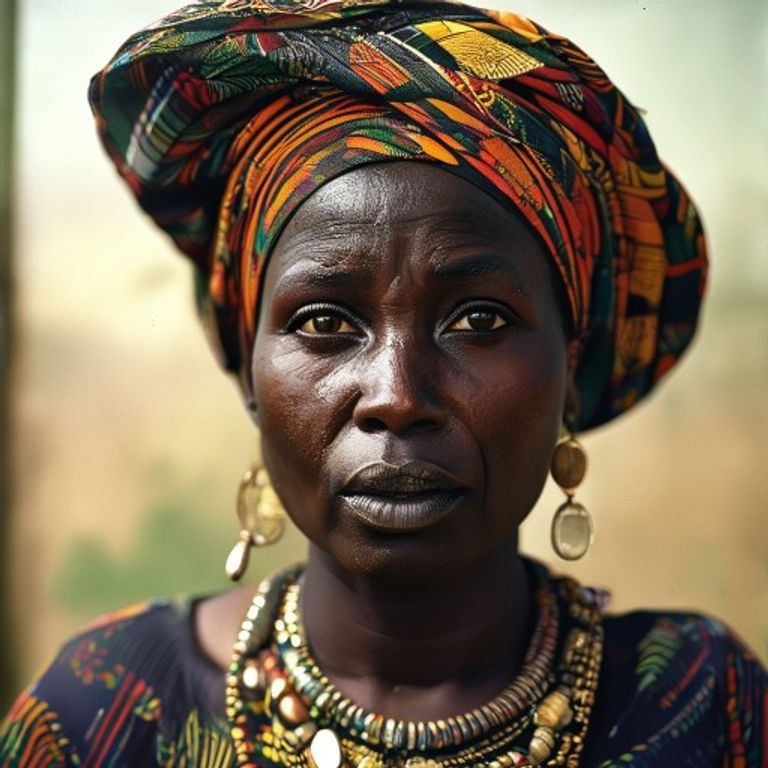
The 'Land of Upright Men', Burkina Faso stands out for its cultural richness and the FESPACO film festival. A landlocked Sahelian country, it is known for its traditional architecture and community spirit. Although facing climatic and political challenges, the Burkinabe people are celebrated for their bronze craftsmanship, vibrant music, and a deep pride in their African identity.
The literature of Burkina Faso — the "Land of Upright Men" — is a vibrant ecosystem that pulsates between the ancestry of oral tradition and the urgency of contemporary issues. Although the country has one of the youngest written literary histories in West Africa (in terms of French publications), its current output is marked by admirable political and aesthetic courage.
Here is an overview of the evolution and voices that define Burkinabe letters.
1. The Cradle: From Orality to the First Novel
Before the pen, there was the Griot. Literature in Burkina Faso is born from the oral tradition of the Mossi, Bobo, Peul, and other peoples. The transition to "formal" writing had an undeniable historical milestone:
-
Nazi Boni: Considered the father of Burkinabe literature. In 1962, he published Crépuscule des temps anciens (Twilight of Ancient Times), a novel exploring the cultural resistance and social organization of the Bwamu people before colonization.
2. Consolidation and "Bendrology"
After independence, literature began to diversify. One name you need to know is:
-
Frédéric Titinga Pacéré: A jurist and poet, he founded "Bendrology", a science that studies the language of sacred drums. His work seeks to translate the Mossi soul onto paper, uniting modern law with customary tradition.
3. The Female Explosion: Protagonism and Rupture
Burkina Faso stands out for having one of the strongest female wings in Francophone African literature. These writers do not just write; they challenge taboos about the body, marriage, and power.
-
Monique Ilboudo: She was the first woman to publish a novel in the country (Le Mal de peau, 1990). Her works, such as Si la cour du mouton est sale, ce n'est pas au cochon de le dire, are scathing critiques of corruption and social injustices.
-
Bernadette Dao: A poet and short story writer, she explores female sensibility and the dilemmas of urban modernity in Ouagadougou.
-
Angèle Bassolé-Ouédraogo: A powerful voice that moves between exile and longing, focusing on the resilience of African women.
4. Contemporary Voices: The Now
The current literature of Burkina Faso is urban, political, and often experimental. The country has become a hub for playwriting and performance poetry.
Featured Authors:
-
Sophie Heidi Kam: The country's first female playwright. Her writing is dense and delves into the psychology of characters confronted with war and the loss of values.
-
Aristide Tarnagda: One of the biggest names in contemporary African theater. He directs the Les Récréâtrales festival in Ouagadougou and writes plays that question human isolation and political violence.
-
Adamou Kantagba: Represents the new prose. In works like L'engagement, he discusses the ethics and responsibility of youth in the face of the nation's destiny.
-
Sarah Bouyain: A Franco-Burkinabe writer and filmmaker who explores the "in-between," hybrid identities, and the complex relationship between the metropolis and African roots.
Summary of Works and Themes
| Writer | Featured Work | Central Theme |
| Nazi Boni | Crépuscule des temps anciens | Cultural resistance and tradition |
| Monique Ilboudo | Le Mal de peau | Identity and social critique |
| Frédéric Titinga Pacéré | Poèmes pour l'Angola | Pan-Africanism and orality |
| Aristide Tarnagda | Terre rouge | Social conflicts and political theater |
| Sophie Heidi Kam | Qu'il en soit ainsi | Playwriting and existentialism |
The literature of Burkina Faso today faces the challenge of political instability in the Sahel region, but it is precisely in this scenario that it proves essential. Contemporary writers have used social media and poetry slams to keep the flame of criticism alive, proving that the 'Land of Upright Men' continues to produce words of equal integrity and strength.
🖥️Clean HTML code with the use of a proprietary tool.
The 'Land of Upright Men', Burkina Faso stands out for its cultural richness and the FESPACO film festival. A landlocked Sahelian country, it is known for its traditional architecture and community spirit. Although facing climatic and political challenges, the Burkinabe people are celebrated for their bronze craftsmanship, vibrant music, and a deep pride in their African identity.
The literature of Burkina Faso — the "Land of Upright Men" — is a vibrant ecosystem that pulsates between the ancestry of oral tradition and the urgency of contemporary issues. Although the country has one of the youngest written literary histories in West Africa (in terms of French publications), its current output is marked by admirable political and aesthetic courage.
Here is an overview of the evolution and voices that define Burkinabe letters.
1. The Cradle: From Orality to the First Novel
Before the pen, there was the Griot. Literature in Burkina Faso is born from the oral tradition of the Mossi, Bobo, Peul, and other peoples. The transition to "formal" writing had an undeniable historical milestone:
-
Nazi Boni: Considered the father of Burkinabe literature. In 1962, he published Crépuscule des temps anciens (Twilight of Ancient Times), a novel exploring the cultural resistance and social organization of the Bwamu people before colonization.
2. Consolidation and "Bendrology"
After independence, literature began to diversify. One name you need to know is:
-
Frédéric Titinga Pacéré: A jurist and poet, he founded "Bendrology", a science that studies the language of sacred drums. His work seeks to translate the Mossi soul onto paper, uniting modern law with customary tradition.
3. The Female Explosion: Protagonism and Rupture
Burkina Faso stands out for having one of the strongest female wings in Francophone African literature. These writers do not just write; they challenge taboos about the body, marriage, and power.
-
Monique Ilboudo: She was the first woman to publish a novel in the country (Le Mal de peau, 1990). Her works, such as Si la cour du mouton est sale, ce n'est pas au cochon de le dire, are scathing critiques of corruption and social injustices.
-
Bernadette Dao: A poet and short story writer, she explores female sensibility and the dilemmas of urban modernity in Ouagadougou.
-
Angèle Bassolé-Ouédraogo: A powerful voice that moves between exile and longing, focusing on the resilience of African women.
4. Contemporary Voices: The Now
The current literature of Burkina Faso is urban, political, and often experimental. The country has become a hub for playwriting and performance poetry.
Featured Authors:
-
Sophie Heidi Kam: The country's first female playwright. Her writing is dense and delves into the psychology of characters confronted with war and the loss of values.
-
Aristide Tarnagda: One of the biggest names in contemporary African theater. He directs the Les Récréâtrales festival in Ouagadougou and writes plays that question human isolation and political violence.
-
Adamou Kantagba: Represents the new prose. In works like L'engagement, he discusses the ethics and responsibility of youth in the face of the nation's destiny.
-
Sarah Bouyain: A Franco-Burkinabe writer and filmmaker who explores the "in-between," hybrid identities, and the complex relationship between the metropolis and African roots.
Summary of Works and Themes
| Writer | Featured Work | Central Theme |
| Nazi Boni | Crépuscule des temps anciens | Cultural resistance and tradition |
| Monique Ilboudo | Le Mal de peau | Identity and social critique |
| Frédéric Titinga Pacéré | Poèmes pour l'Angola | Pan-Africanism and orality |
| Aristide Tarnagda | Terre rouge | Social conflicts and political theater |
| Sophie Heidi Kam | Qu'il en soit ainsi | Playwriting and existentialism |
The literature of Burkina Faso today faces the challenge of political instability in the Sahel region, but it is precisely in this scenario that it proves essential. Contemporary writers have used social media and poetry slams to keep the flame of criticism alive, proving that the 'Land of Upright Men' continues to produce words of equal integrity and strength.
🖥️Clean HTML code with the use of a proprietary tool.





