



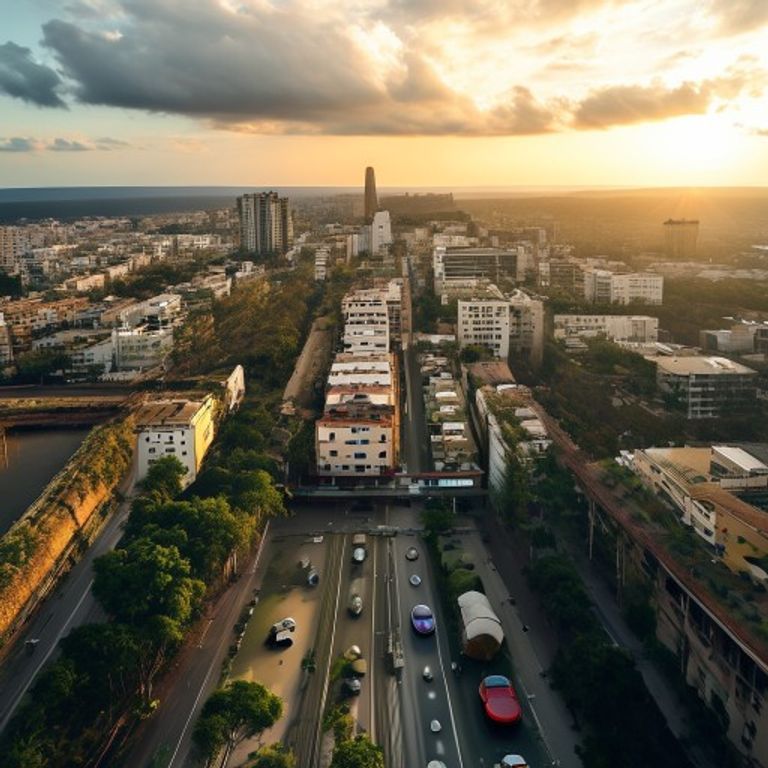
This municipality in the State of Mato Grosso has an active and contemporary literary scene, being home to several authors who narrate in their works the rapid social transformation of Brazil's interior.
On the Ground of Agribusiness, Poetry Flourishes: The Literary Scene of Rondonópolis
If there is a city in Mato Grosso that defies the stereotype of "agribusiness capital" as an arid territory for the arts, that city is Rondonópolis. Located 212 km from Cuiabá, in the heart of the state's Southeast region, the municipality that boasts the title of "National Capital of Bitrem" (large truck combination) reveals a surprising facet: that of a pulsating, organized, and rapidly expanding literary hub.
Founded in 1953, the city will celebrate its 73rd anniversary in 2026 with a cultural scene that goes beyond agricultural fairs. Here, literature is not an accident—it is a collective project. Among the 54 co-authors of the most recent poetic anthology honoring the city, among the 12 immortals of the local Academy, and among the 290 students from the municipal school system who have just published their first book, Rondonópolis proves that, on the fertile ground of the Cerrado, poetry also thrives with strength.
In this article, we delve deep into this scenario to map the roots, traditions, and, especially, the contemporary agents that make Rondonópolis one of the most vibrant literary hubs in the interior of Mato Grosso.
1. Roots and Tradition: From Gold Mining to the Academy
The Literary Cradle
The literary history of Rondonópolis is relatively recent but intense. The city, which was born on the banks of the Pitanseira stream and developed driven by agriculture and its strategic location—a "one-way junction," as described by historian Luci Léa Lopes Martins Tesoro—took several decades to see its organized literary production flourish.
The first voices that echoed through the streets of the then-young city were those of isolated chroniclers and poets, whose writings were lost in the pages of local newspapers and modest publications. Among these precursors, figures like Wilson Ferreira Lemos, a lawyer, poet, and journalist, stand out, whose name today patronizes one of the chairs of the Rondonopolitan Academy of Letters.
The Founding of the ARL (2013): The Mark of Institutionalization
The watershed moment for Rondonopolitan literature occurred on November 19, 2013, with the founding of the Rondonopolitan Academy of Letters (ARL).
The ceremony, held in the auditorium of the newspaper A Tribuna MT, had the support of director Samuel Logrado de Souza and was led by writers Ailon do Carmo and Pedro Pereira Campos Filho. At the time, the academy was initially constituted by 12 chairs, each represented by a patron and an academic.
The creation of the ARL was received as "one of the most significant milestones in the city's cultural history," in the words of Ailon do Carmo. In its first year of existence, the academy already had a structured board: Pedro Pereira Campos Filho as president, Ailon do Carmo as vice-president, and members such as Ivonete Lopes, Clotildes Fagundes, Paulo Isaac, Hermélio Silva, Jerry Mill, Jackson Aguirre, Gilson Lira, Cidinha Carvalho, and Ney Iared occupying the chairs.
"An Academy of Letters must also preserve what is most important in literature and immortalize the best writers, publish books, revive cultural assets, value and defend people who cultivate literature," wrote immortal Wilse Arena da Costa in 2014, celebrating the institution's first year.
The Patrons of Memory
Among the names that lent their careers to baptize the ARL's chairs are figures who helped build the cultural identity not only of Rondonópolis but of Mato Grosso as a whole:
-
Cândido Mariano da Silva Rondon—the Marshal explorer who gives his name to the city and patron of Chair No. 1.
-
Dom Francisco de Aquino Correa—bishop, writer, and historian from Mato Grosso.
-
Agenor Ferreira Leão—poet and journalist.
-
José Yousef Merhi (José Sobrinho)—patron of Chair No. 12, which also names one of the city's cultural centers.
Throughout its 11 years of existence—celebrated in 2024 by the Municipal Chamber of Rondonópolis—the ARL has consolidated itself as the guardian of local literary memory, promoting literary contests, soirées, and other cultural activities.
2. The Contemporary Scene: Anthologies, Soirées, and a New Board
If the ARL is the institutional backbone, the true muscles of the Rondonopolitan literary scene are in the collective events, collaborative publications, and the training of new readers-writers coming from public schools.
The Academy in Motion: New Board (2025–2027)
In December 2025, the ARL took another important step by inaugurating its new board for the 2025–2027 biennium, in a ceremony held at the auditorium of the Federal University of Rondonópolis (UFR).
The new president, George Ribeiro (who had already served as vice-president in the previous administration), announced an ambitious plan:
"The ARL aims to expand to promote the literary art produced in our context and strengthen the memory of those who contributed to the development of literature in Rondonópolis and the region."
Among the new administration's goals are:
-
Opening a call for applications to fill new academic chairs in 2026;
-
Partnership with UFR for research to identify regional writers who can be patrons and patronesses for future chairs;
-
Securing resources and institutional partnerships to expand the Academy's reach.
"We have much to build, and therefore, we extend our hands to society and the constituted powers in search of encouragement and partnership. It is important that everyone knows that an Academy of Letters plays a fundamental role in an expanding city like Rondonópolis, as the preservation of memory and historical-cultural records also occurs through literature," added George Ribeiro.
"Rondonópolis, 72 years": The Great Poetic Anthology
The most emblematic event of the Rondonopolitan literary scene in recent years is undoubtedly the project "Rondonópolis, [age] years"—an annual poetic anthology that brings together dozens of local writers in homage to the city.
The first edition, "Rondonópolis, 70 anos", launched in December 2024, featured 72 co-authors residing in three countries, eight Brazilian states, and 21 cities worldwide—proof of the reach of the Rondonopolitan diaspora and the organizers' power of convocation.
The second edition, "Rondonópolis, 72 anos", launched on December 5, 2025, at the Rachid Jorge Mamed Library, is even more significant for its genuinely local character. Organized by writers Ivanildo José Ferreira and Hermélio Silva (founding member of ARL, Chair No. 6), the work brings together 54 poets.
The composition of the 54 co-authors reveals the diversity and strength of the scene:
-
21 women and 33 men
-
Three posthumous tributes (including Ailon do Carmo, founder of ARL, and Wilse Arena da Costa)
-
Two pseudonyms
-
Two Italian citizens and one Haitian—showing the city's internationalization
-
The three authors of the Rondonópolis Anthem
-
Ten members of the Rondonopolitan Academy of Letters (three deceased)
The co-authors' professions are a portrait of Rondonopolitan intellectualism: entrepreneurs, pastors, musicians, public servants, teachers, conductors, neuropsychopedagogues, lawyers, actors, librarians, journalists, and neurotherapists.
"It is an anthology for the city's annals, organized by four hands. Made with much love for Rondonópolis, selecting the best of its intellectualism," stated Hermélio Silva.
Writer Édson Ceretta, one of the co-authors, went further:
"Without a doubt, it is a historic book for Rondonópolis—MT, with high-caliber intellectuals, reverberating their productions throughout Brazil, and their love for the aforementioned city. Capital of agribusiness and bitrem, with so many book launches occurring with astonishing frequency, in my opinion, Rondonópolis could also be called 'The Regional Capital of Literature'."
The Little (Big) Authors: The "A Cidade da Gente" Project
The most encouraging data—and one that points to the future—comes from the municipal school system. In December 2025, the book "Rondonópolis – A Cidade da Gente" (Rondonópolis – The City of Us) was launched, a publication whose authors are none other than 290 students from three municipal schools: Escola Bonifácio Sachetti (Parque São Jorge), Escola Vila Paulista Maria Ursulina (Vila Paulista), and EMEB Odorico Leocádio da Rosa (Novo Horizonte).
The project, made possible by the Rouanet Law with sponsorship from ADM and execution by Editora Olhares, involved 12 classes from the 6th grade. Each student chose a theme among the city's material, immaterial, and environmental heritage to include in their written productions. Among the chosen themes: the Praça dos Carreiros (Carriers' Square), the Exposul (Southern Exhibition), the Rodovia do Peixe (Fish Highway), the Aldeia Tadarimana (Tadarimana Village), and the Correio Velho (Old Post Office).
"The project's intention is to support the perpetuation and dissemination of local history, increasing children's perception of the value of the city's cultural, social, and environmental riches. Thus, the purpose is to contribute to the construction of identity, a sense of belonging, and students' self-esteem."
Poetic Soirées and Orality
Literary production in Rondonópolis is not limited to paper. On September 29, 2025, a cultural soirée was held at the Rosa Bororo Museum to present the chosen cover for the book "Rondonópolis, 72 anos," confirm the launch date, and announce the names of the 54 authors.
The soirée—with poetry recitations, musical performances, and a book signing—is a tradition that the ARL and local collectives have cultivated as a way to take literature off the shelf and put it in the public square. The program for the inauguration of the new ARL board in December 2025, for example, included a saxophone performance by maestro Álvaro Heinrich.
Independent Writers: Who Are the Names on the Scene
Based on the anthologies and ARL records, it is possible to identify a core group of active writers in Rondonópolis. Many of them are listed as co-authors in "Rondonópolis, 72 anos":
| Name | Notes |
|---|---|
| Hermélio Silva | Founding member of ARL (Chair No. 6), editor, writer with 34 books published, co-organizer of the anthologies. |
| Ivanildo José Ferreira | Co-organizer of the anthologies, professor. |
| Ailon do Carmo (in memoriam) | Founding member of ARL, central figure in the Academy's founding. |
| George Ribeiro | President of ARL (2025–2027). |
| Paulo Isaac | Former president of ARL (2021). |
| Jackson Aguirre | Member of ARL, author of books such as Diário de um Menino de Rua (Diary of a Street Kid) and Escravos do Destino (Slaves of Destiny). |
| Wilse Arena da Costa (in memoriam) | Doctorate in Education, writer, member of ARL (Chair No. 10). |
| Gilson Lira (in memoriam) | Member of ARL. |
| Cidinha Carvalho | Member of ARL (Chair No. 11). |
| Jerry Mill | Member of ARL, treasurer. |
| Isaias Dias Pereira | Member of ARL, secretary in the 2021 administration. |
| Édson Ceretta | Poet and writer. |
| Senio Alves | Professor, visual artist, author of the cover for "Rondonópolis, 70 anos." |
| Aires José Pereira | Poet. |
| Joelson Santos | Poet. |
| Mário Sérgio Denadai | Poet. |
| Divina Bertalia | Poet. |
| Pastora Sandra Cruz | Poet. |
Spaces of Resistance: Rosa Bororo Museum and Rachid Jorge Mamed Library
The Rondonopolitan literary scene materializes in physical spaces that function as meeting territories:
-
Rosa Bororo Museum: A space that hosts book launches and soirées, such as the event to present the cover of "Rondonópolis, 72 anos."
-
Rachid Jorge Mamed Library: Venue for the official launch of the 2025 anthology.
-
UFR Auditorium: Venue for the inauguration of the new ARL board in 2025.
-
Municipal Chamber of Rondonópolis: Stage for the celebration of the ARL's 11th anniversary in 2024, in partnership with the Legislative School.
3. Themes and Works: What Rondonopolitans Write
Predominant Genres
Based on the mapped production, the most recurrent genres in Rondonopolitan literature are:
-
Poetry—Hegemonic genre, as demonstrated by the anthologies "Rondonópolis, 70 anos" and "Rondonópolis, 72 anos," both entirely poetic.
-
Local Memory and History—Works that rescue the city's trajectory, such as the writings of Hermélio Silva and the research of Luci Léa Lopes Martins Tesoro.
-
Social Denunciation Literature—Jackson Aguirre, with Diário de um Menino de Rua and Escravos do Destino, addresses the reality of street children and vulnerable populations.
-
Prose and Novels—Present in the production of some ARL members, although with less visibility than poetry.
Recurrent Themes
-
Love and Exaltation of the City: The poetic anthologies are, in essence, love letters to Rondonópolis—its history, its people, its symbols (the yellow ipê tree in Praça Brasil, Exposul, Praça dos Carreiros).
-
Memory and Identity: There is an evident concern to record what Rondonópolis was and what it is becoming. The book "Rondonópolis, 72 anos" is described as a work that "pays tribute to the city or lends its names to the work, demonstrating what is thought in a given period of its history."
-
Denunciation and Social Consciousness: Jackson Aguirre's poetry, in the words of reader Isaac Soares de Souza, "inquires and grants the right to be free to every living being," addressing the "dispossessed who wander lost without destination or place."
-
Faith and Spirituality: Several co-authors of the anthologies are pastors, religious leaders, or explicitly mention themes of faith in their biographies.
Recent Highlighted Works
| Title | Author(s) | Year | Genre |
|---|---|---|---|
| Rondonópolis, 70 anos | 72 co-authors (org. Ivanildo José Ferreira and Hermélio Silva) | 2024 | Poetic anthology |
| Rondonópolis, 72 anos | 54 co-authors (org. Ivanildo José Ferreira and Hermélio Silva) | 2025 | Poetic anthology |
| Rondonópolis – A Cidade da Gente | 290 municipal school students | 2025 | Children's and young adult anthology |
| Diário de um Menino de Rua | Jackson Aguirre | — | Novel/Social denunciation |
| Escravos do Destino | Jackson Aguirre | — | Novel/Social denunciation |
| Rondonópolis-MT – Entroncamento de mão única | Luci Léa Lopes Martins Tesoro | — | Local history |
4. The Role of the University and the Training of New Talents
One of the most promising factors for the future of literature in Rondonópolis is the presence of the Federal University of Rondonópolis (UFR) and its Institute of Human and Social Sciences (ICHS).
The new ARL board, led by George Ribeiro, is already coordinating a partnership with UFR for research aimed at identifying Rondonopolitan or regional male and female writers who can give their names to new academic chairs, as patrons and patronesses.
This partnership between the Academy and the university is fundamental to break the isolation of local literary production and connect it to the broader academic debate on Mato Grosso and Brazilian literature.
Final Considerations: Rondonópolis, the Regional Capital of Literature?
Édson Ceretta's statement—that Rondonópolis "could be called the regional capital of literature"—may seem bold at first glance. But the facts support it.
In no other city in the interior of Mato Grosso is there such an organized, numerous, and diverse movement as in Rondonópolis. There are 54 poets in a single anthology. There are 290 children publishing their first book. There are 12 chairs in the Academy, about to expand. There are dozens of titles published by independent authors.
Of course, there are challenges. The ARL still does not have its own headquarters—which, as Wilse Arena da Costa pointed out in 2014, "prevents it from organizing a literary collection" and having "a space for meetings, encounters, and discussions." Most local writers do not live off literature—"none of them have the privilege of living off their art, for now," as Ivanildo José Ferreira acknowledges.
But the seed has been planted. And, in the fertile soil of Rondonópolis, where the yellow ipê tree blooms every year in Praça Brasil, poetry also finds its time to blossom.
References
-
[1] A Tribuna MT. Academia Rondonopolitana de Letras empossa sua nova diretoria. Dec. 16, 2025. Available at: https://www.atribunamt.com.br/rondonopolis/2025/12/nesta-quinta-academia-rondonopolitana-de-letras-empossa-sua-nova-diretoria/
-
[2] A Tribuna MT. "A cidade da gente": Alunos da rede municipal escrevem livro sobre Rondonópolis. Dec. 8, 2025. Available at: https://www.atribunamt.com.br/rondonopolis/2025/12/a-cidade-da-gente-alunos-da-rede-municipal-escrevem-livro-sobre-rondonopolis/
-
[3] A Tribuna MT. Academia Rondonopolitana de Letras será fundada na terça. Nov. 16, 2013. Available at: https://www.atribunamt.com.br/geral/2013/11/academia-rondonopolitana-de-letras-sera-fundada-na-terca/
-
[4] Prefeitura de Rondonópolis. Catálogo da Biblioteca Municipal Manoel Severino da Silva. Available at: https://www.rondonopolis.mt.gov.br/Biblivre5/single/
-
[5] A Tribuna MT. Parabéns à Academia Rondonopolitana de Letras. Nov. 27, 2014. Available at: https://www.atribunamt.com.br/opiniao-do-leitor/2014/11/parabens-a-academia-rondonopolitana-de-letras/
-
[6] NMT - Notícias de Mato Grosso. Rondonópolis faz 72 anos e recebe homenagem em livro. Nov. 11, 2025. Available at: https://nmt.com.br/2025/11/11/rondonopolis-faz-72-anos-e-recebe-homenagem-em-livro/
-
[7] Prefeitura de São José do Povo. Posse da Nova Diretoria da Academia Rondonopolitana de Letras. Dec. 8, 2021. Available at: https://www.saojosedopovo.mt.gov.br/Noticias/Geral/Posse-da-nova-diretoria-da-academia-rondonopolitana-de-letra-271/Nossa-Cidade/Fotos-Atuais/Secretarias/Educacao/
-
[8] A Tribuna MT. Rondonópolis e seus poetas. Nov. 21, 2022. Available at: https://www.atribunamt.com.br/opiniao-do-leitor/poesias/2022/11/rondonopolis-e-seus-poetas/
-
[9] Câmara Municipal de Rondonópolis. Câmara celebra 11 anos da Academia Rondonopolitana de Letras. Nov. 22, 2024. Available at: https://mail.rondonopolis.mt.leg.br/escola/noticia.php?id=22614
-
[10] Fatos e Notícias. O livro "Rondonópolis, 70 anos" será lançado no próximo dia 17, no Museu Rosa Bororo. Dec. 4, 2024. Available at: https://fatosenoticias.com.br/91179-2/
⚠️ Research conducted with the aid of Deep Research is subject to referential ambiguity.
🖥️Clean HTML code using a proprietary tool.
👥 Research by Guilherme Felipe, Curation by Sílvio Lôbo





